
Zero Waste Lifestyle & Practical Steps For Beginners
A zero waste lifestyle centers on making choices that cut down on trash sent to the landfill. It’s not only for hardcore environmentalists. Anyone can get into it, make less waste, and see a real difference, both at home and in your community. Even simple swaps can lower your footprint, save money, and help protect the planet.
When I first heard about zero waste, it sounded overwhelming. Picking out groceries, finding the right storage for leftovers, and figuring out what to do with packaging all felt like a lot to manage. The truth is that tiny changes add up fast, and you don’t have to overhaul your whole life in one weekend. Starting out is more about small wins, learning as you go, and letting go of the idea of being perfect.
This guide lays out practical steps for beginners, including easy swaps, habits, and tips I’ve found super useful for anyone looking to kickstart their zero waste adventure. Every action matters, and choosing even one or two changes can make a serious impact over time.
1. Start With the Basics and Know Your Waste
Jumping into a zero waste lifestyle gets simpler when you check out what’s actually filling your trash can. One of the easiest first steps is to do a quick waste audit at home. Grab a bin, go through your trash, and notice what items show up the most.
- Common culprits are food packaging, disposable cups, napkins, singleuse plastics, and food scraps.
- Making a list helps spot habits, like grabbing takeout or relying on bottled water, that can be changed with a small swap.
Once you know what you’re tossing out most, it becomes way easier to pick the lowhanging fruit for change.
2. Easy Swaps to Cut Everyday Waste
Getting started with zero waste doesn’t mean tossing all your plastic overnight or buying replacement items in one go. Here are swaps I found really practical as I got into zero waste living:
- Reusable water bottles and coffee cups: Keep one in your bag or car. This one habit can keep tons of cups and bottles out of landfills each year.
- Cloth shopping bags: Stash a few in the car or by your door so you don’t forget them. Lightweight, foldable designs are handy to grab on the go.
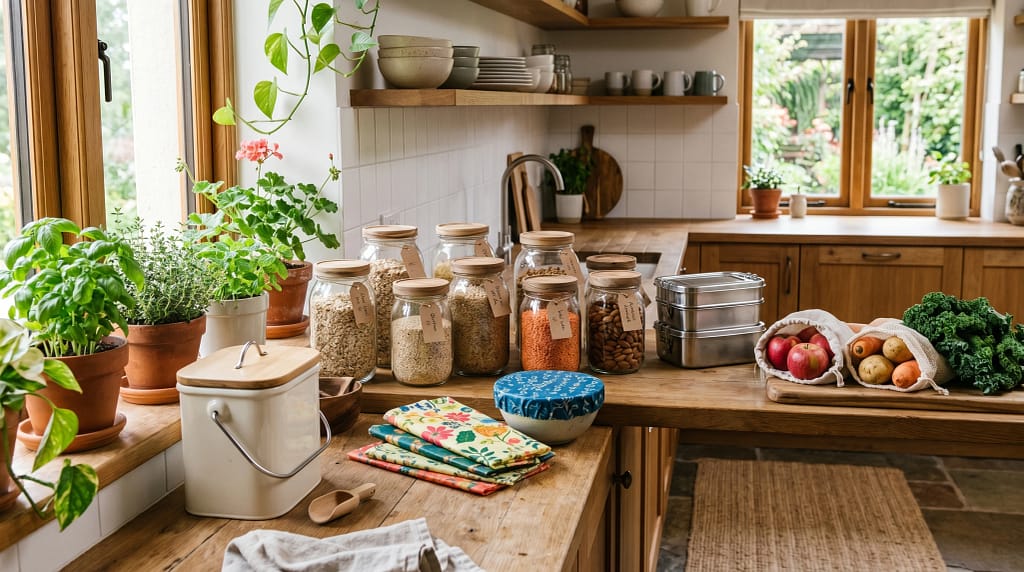
- Beeswax wraps or silicone lids for food storage: These take the place of cling film and singleuse baggies. They also look eye-catching in your kitchen.
- Bulk bins and farmer’s markets: Bring your own containers or bags to buy grains, nuts, fruit, and veggies with less or no packaging.
- Bar soap and shampoo bars: Skip plastic bottles by picking up these packagingfree options.
It’s very satisfying seeing a drawer or tote bag full of reusable items instead of disposables. Even swapping just a couple things, like coffee cups or shopping bags, gives your daily waste output a solid reduction.
3. Rethink Grocery Shopping
Supermarkets are full of singleuse packages, but shopping can be done with less waste by tweaking a few habits:
- Choose loose produce: Skip the plasticwrapped cucumbers or prebagged apples, and choose loose fruits and veggies.
- Look for bulk or refill shops: More stores now have refill stations for pantry items, cleaning products, and even toiletries—it’s worth checking one out if there’s one nearby. Some even let you bring your own containers to fill.
- Plan meals and shop with a list: Planning meals helps avoid buying extras that might end up as food waste. A list helps prevent impulse buying as well.
- Support local markets: Farmer’s markets or food box deliveries usually come with way less packaging.
Even if stores have fewer options, there’s almost always at least one product you can buy with less packaging. Over time, you may spot more bulk or refill opportunities in your area, especially as these ideas catch on.
4. Reduce, Reuse, Recycle … But In That Order
Lots of people focus on recycling first, but the zero waste approach is really about reducing and reusing first. Save recycling for last after you’ve cut down on incoming waste and found new uses for containers or wraps.
- Reduce: Buy only what you need. Avoid extras, and say no to freebies or packaging you don’t require. Skip the straw at restaurants, go without plastic cutlery, and turn down marketing handouts.
- Reuse: Clean out glass jars for leftovers, bulk shopping, or even craft projects. Reuse gift bags, wrapping paper, and boxes during holidays and birthdays to minimize extra trash.
- Recycle: After you’ve reduced and reused, sort clean, dry recyclables—like plastics, paper, cans, and glass—according to your local guidelines.
Many recycling centers have clear guides online about which materials they accept. Following those means more items get recycled instead of ending up as trash, so always doublecheck.
5. Compost And Give Food Scraps a Second Life
Food waste breaking down in landfills creates methane, a potent greenhouse gas. Composting at home helps turn food scraps into great soil while lowering greenhouse impacts.
- Start with a small countertop compost bin: Even in apartments, these are easy to use and can be emptied into a backyard pile or community facility.
- Stick to veggie peels, coffee grounds, eggshells, and bread: Avoid meat and dairy unless you’re experienced, since they can attract pests.
- If you don’t have outdoor space: Check out local community composting dropoff points or ask if local farmers will take your scraps.
My first compost setup was a bucket by the sink. It took a few weeks to fill, but when I did, I could really tell our trash was lighter and less smelly. Plus, the finished compost is a free bonus for garden plants or even potted herbs.
6. Mindful Habits? Say No to Extra Waste
Saying no can be awkward, but it’s a big part of zero waste. Turning down straws, those sip lids, plastic bags for single items, or refusing freebies at events keeps extra stuff out of your life and out of the landfill.
- At coffee shops, use your own mug or just go lidfree for takeaway drinks.
- Shop with a routine: bring reusable produce bags, containers for takeout, and your own cutlery.
- Say no to receipts—many stores have email versions now, which are less wasteful.
Over time, these habits get easier. It takes a little practice at first, but soon enough, they turn second nature and even feel rewarding.
7. Repurpose and Repair Before Tossing
Sometimes it’s tempting to throw out things that are stained, torn, or broken. Thinking like a zero waste fan means fixing or finding another use for things before tossing. There’s loads of info online for repairing clothes, shoes, gadgets, and small appliances. Local repair cafes can help with tougher projects, too.
- Turn old tshirts or towels into cleaning rags.
- Try fixing small appliances before tossing them out.
- Look for community swaps or donation centers for items you no longer need but that are still good for someone else.
Fixing things or giving them a new life feels rewarding, saves cash, and keeps stuff out of the trash.
8. Share and Spread Your Zero Waste Adventure
Starting out can feel a bit lonely, especially if others around you aren’t into zero waste yet. Sharing your progress—whether online, with friends, or in the community—opens up new ideas and builds motivation.
- Join local zero waste groups or online communities for advice and encouragement. These communities offer tips, share swap opportunities, and sometimes host meetups or workshops.
- Tell neighbors or friends about what you’re trying. You could inspire others to make changes, or even team up for projects like community compost bins.
- Swap or borrow before buying new: tools, books, kitchen gadgets, even clothing for special occasions can often be found in local swap groups or online forums.
Chatting about your zero waste habits can spread the word, inspire new routines, and make the process feel way less lonely.
Final Thoughts
Zero waste isn’t about being perfect or fitting all your trash in a tiny jar. Every bag, container, or new habit you choose makes a positive impact. If you’re just starting out, pick one or two actions that feel doable and grow from there. Your home, your budget, and the planet all benefit—one step at a time.
To keep your momentum, celebrate each small win, and stay curious about new ways to cut waste. There’s always something fresh to try, whether it’s a new recipe that uses up leftovers or a local refill store you check out for the first time. The zero waste ride is full of little victories, so keep at it and enjoy the next-level cool feeling of making a difference.
Global Energy Challenges on Amazon
Free energy explorer GPT
Explores actual free energy inventions and discoveries.

Your curiosity is appreciated!
Related Posts

Zero Waste Lifestyle for Beginners

Zero Waste Lifestyle – 5 Practical Steps For Beginners

Innovations In Waste Management

Water-Saving Technologies For A Better Planet

How To Make Your Home More Energy-Efficient

The mind after the ladder

How to Run AI Offline Without Selling Your Soul to the Cloud in 6 steps

Patent Your Invention With A Step-by-Step Guide

How To Create A Business Plan For Your Invention
