
Water-Saving Technologies For A Better Planet
Water-saving technologies are changing the game for a more sustainable future. With growing concerns about water shortages and rising utility bills, finding ways to use less water at home, at work, and across communities is more than just smart; it’s pretty important for the planet. Today I’ll walk you through the key water-saving technologies, explain why they matter, and give you handy tips for getting started if you’re interested in making a real-world difference.
Why Water Conservation Technologies Matter
Every drop counts when it comes to water. Around the world, many areas already struggle with water scarcity, and using water wisely helps ecosystems, agriculture, and people everywhere. Cutting down on water waste isn’t just about saving money; it’s about reducing energy use (since water treatment takes energy), supporting wildlife, and keeping our communities healthy.
Some stats really show how urgent this is. According to the World Health Organization, about 2 billion people live in areas experiencing water stress. In the U.S. alone, the EPA estimates that average household leaks can waste nearly 10,000 gallons of water each year. Water-saving tech is one of the best tricks I’ve found for shrinking that number and building a better future, one home and building at a time.
New technologies designed to save water have roots in everything from ancient irrigation systems to recent, digital smart home advances. Over the last couple decades, innovation has picked up in a big way. Now, you can find everything from simple lowflow devices to complex monitoring systems for farms and factories, making water conservation way more accessible for the average person or business.
First Steps? Smart and Simple Water-Saving Solutions
If you’re just starting out with water-saving technology, some upgrades are really easy to try and can save a ton of water right away. A few common categories come to mind:
- Lowflow Fixtures: These include faucets, showerheads, and toilets that use less water for the same job. Look for the WaterSense label in the U.S. or similar certifications elsewhere.
- Efficient Appliances: Dishwashers and washing machines can use much less water than older models, especially those rated for efficiency.
- Leak Detectors: Simple leak sensors you place under sinks or near water heaters send a phone alert if they sense a drip. Some even shut off water automatically to stop bigger disasters.
For most homes, swapping out an old toilet or showerhead can pay for itself in reduced water and utility bills within a year or two. Even just putting aerators on faucets works to cut down usage without sacrificing water pressure.
How Smart Water Tech Makes a Big Impact
Stepping it up a notch, smart water tech takes things to another level. These systems use sensors and data to track water use, pinpoint problems, and automate watering and more. Here are a few cool features I think are worth checking out:
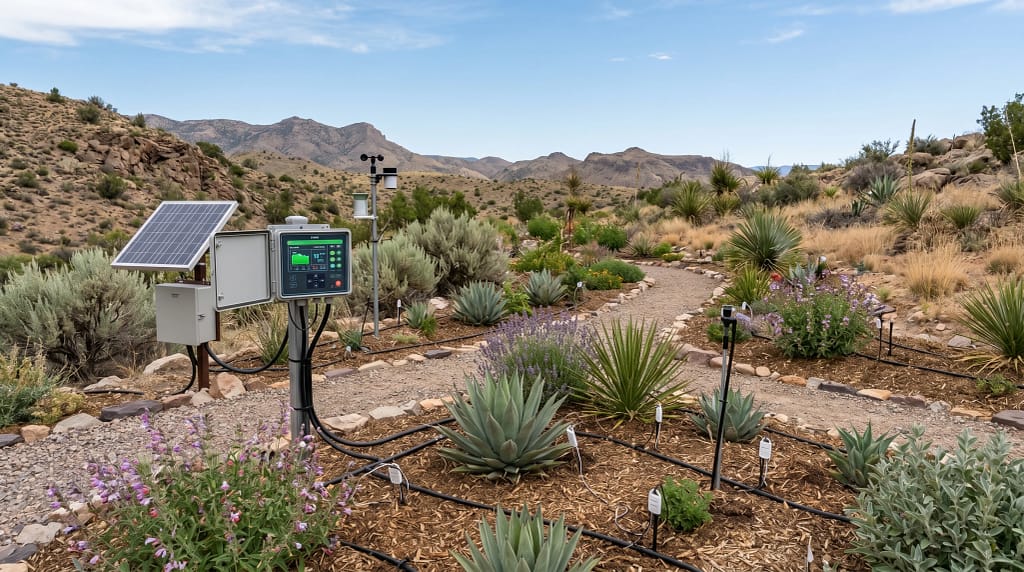
- Smart Irrigation Controllers: These devices automatically adjust your garden or lawn watering schedule based on realtime weather, soil moisture, or plant needs. They often connect to your phone, so you can tweak settings on the go.
- Advanced Leak Detection: There are wholehome systems (like Flo by Moen or Phyn) that monitor flow rate, detect tiny leaks, and send instant alerts. Some models learn your normal habits and spot when something seems off.
- Greywater Recycling Systems: Instead of letting water from sinks, showers, and washing machines go to waste, these systems clean and reuse it for things like flushing toilets or watering landscapes.
- Rainwater Harvesting Setups: Smart rain barrels and filtering systems collect and purify rainwater, making it handy for gardens or even indoor use, depending on local laws.
While upfront costs can be a little higher for smart tech, the savings and peace of mind make it super appealing. For instance, smart irrigation is particularly popular in places with droughts or gardening restrictions, allowing lawns to survive and even thrive using less water.
Get Started with Water-Saving Tech at Home
Setting up water-saving technology doesn’t need to be a big hassle. Here’s how I suggest tackling it when you’re ready:
- Do a Water Audit: You can spot the biggest sources of water waste by walking through your house and checking things like faucets, toilets, and appliances. Many local utilities offer free tools or kits to help with this.
- Replace HighUsage Fixtures First: Toilets and showerheads use the bulk of indoor water. Upgrading these gives quick results. Products with the WaterSense label are usually a safe bet.
- Try Easy DIY Fixes: Leak detectors and faucet aerators are really affordable, install in minutes, and work right away.
- Think About Automation: For outdoor spaces, installing a smart sprinkler controller can cut water use for landscaping by up to 50% in many cases. Many models easily connect to WiFi and let you program watering schedules from your phone.
- Look for Rebates: Some cities or states offer rebates for switching to watersaving appliances or devices, so always check with your local water provider or government before making big purchases.
Adding to these tips, consider installing a rain sensor on outdoor irrigation systems. This simple device ensures that your sprinklers never run while it is raining, preventing unnecessary waste. Also, stagger heavy waterusing activities like dishwashing and laundry to spread out usage and reduce pressure on your plumbing and appliances. By making these small changes, you can maximize the effectiveness of your water-saving efforts with minimal inconvenience.
Common Challenges and How to Work Around Them
I’ve noticed a few common issues when trying out new watersaving tech, but there are good ways to work through them:
- Initial Cost: Some devices cost more up front, but many end up saving you money on bills over time. Plus, rebates and local incentives can help out.
- Compatibility or Installation: Certain systems may require professional installation or may not fit very old plumbing. Researching models based on your home’s age and setup is really helpful here.
- Maintenance: Highefficiency appliances and smart systems sometimes need cleaning or occasional updates. Building reminders into your calendar keeps things from falling through the cracks.
- Local Regulations: Certain areas have rules around rainwater collection or greywater reuse. Reading up on what’s allowed in your area avoids surprise fines.
Upfront Cost Concerns
If the price seems high, remember many water-saving upgrades really do pay for themselves in a year or two. For example, a good smart irrigation controller could cut outdoor water use so much it lowers your water bill each month, covering its cost pretty quickly.
Compatibility Hiccups
Retrofitting very old plumbing might be tricky. Some showerheads or toilets are designed for new construction, while others fit existing homes easily. Double-checking measurements or asking local hardware store staff for the right fit can save you a lot of headaches.
Regulatory Issues
It’s super important to check city codes before installing rainwater barrels or greywater systems, since every place has different rules. Many areas are expanding what’s allowed as these systems become more common, so things may change from year to year.
Water-Saving Tech in Real Life? Applications and Benefits
Some real-world stories can help make all this a bit clearer. I’ve seen a neighborhood here in California cut their water use nearly in half after a city-sponsored drive to install free smart sprinkler timers and lowflow showerheads. Not only did lawns stay green even during drought, but families also saved hundreds of dollars per year.
Businesses can benefit, too. Grocery stores and hotels often use advanced leak detection to spot issues before they waste thousands of gallons. In schools, lowflow toilets have become the norm, saving both water and money while teaching kids the value of conservation.
- At Home: Showers, laundry, and landscaping are top spots for wasted water. Switching to efficient fixtures and smart irrigation brings big savings with little change in comfort.
- In Businesses: Large buildings see real payoffs from monitoring systems, especially for early leak detection and parts of buildings that aren’t used all the time.
- Farming and Industry: Smart drip irrigation and reuse systems help crops grow with as little wasted water as possible.
Frequently Asked Questions About Water-Saving Technologies
Here are a few questions I’m asked often about water-saving tech:
Question: Do lowflow fixtures actually work as well as regular ones?
Answer: Modern lowflow designs are much better than the old ones. Most people don’t notice a difference in comfort or cleaning power, but they use a lot less water.
Question: How much water and money can smart irrigation save?
Answer: Depending on your yard and local climate, smart irrigation systems can reduce landscaping water use by 30-50%, adding up to hundreds of gallons and dollars per year.
Question: Are leak detectors worth it?
Answer: Even small leaks add up over time. Early detection can prevent major property damage, making leak detectors a pretty smart investment, especially if you travel a lot or own a rental property.
Bringing It All Together With Everyday Steps for Water Conservation
Switching to watersaving technologies isn’t just about buying new gadgets. It’s about building habits that value every drop, like fixing leaks quickly, using appliances wisely, and keeping an eye on outdoor water use. Every person, business, and community that chooses better technology helps push us closer to a future where water is affordable, reliable, and available to everyone.
Making a few changes at home or at work can really add up. Whether you start with a lowflow showerhead or jump right into a full smart irrigation system, you’re contributing to a bigger solution for a better planet.
Water levels GPT
Offers guidelines for water level predictions with user data integration, focusing on accuracy and accessibility.