Zero Waste Lifestyle – Practical Steps For Beginners
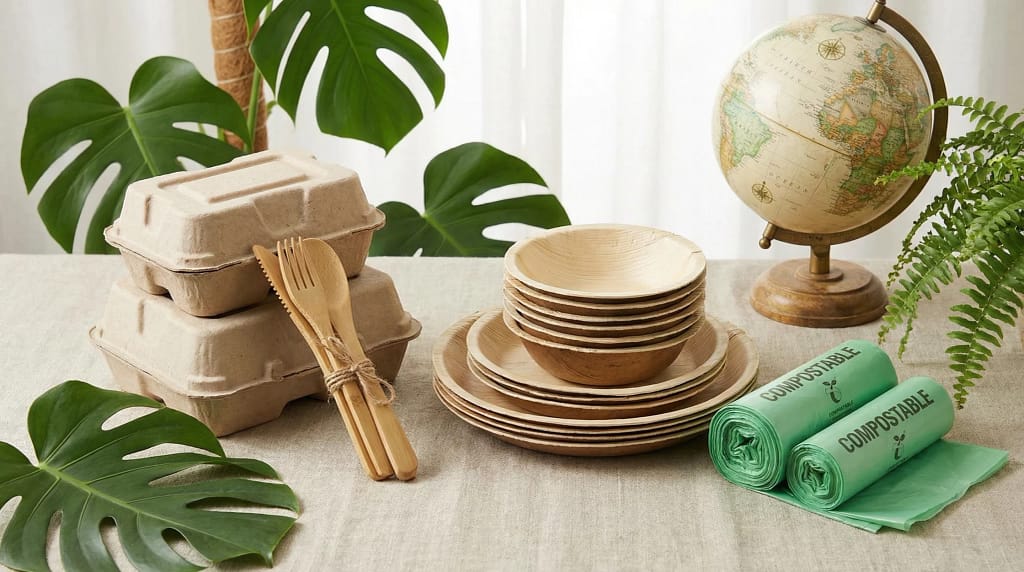
Zero waste living is all about making choices that cut down on the trash I send to landfills. I started taking this seriously when I saw just how much of my daily routine involved tossing out single-use items. While getting started with zero waste can seem intimidating at first, making a few mindful adjustments really smoothed the way.
This article lays out the main steps and decisions I made as a beginner, with practical advice that’s easy for anyone to get into.
What Is a Zero Waste Lifestyle?
Zero waste is a lifestyle built on reducing as much household trash as possible by making careful purchases, reusing what I already own, and making sure to recycle or compost the rest. The main goal is to stretch out the lifespan of products and materials, so resources don’t get wasted. The EPA says the average person in the U.S. generates over 4 pounds of trash every day. As I picked up ways to cut down on my waste, I found it didn’t have to be perfect. Small, steady improvements make all the difference.
Zero waste living isn’t just for environmental activists. Everyday people like me benefit too. I noticed having less trash, less clutter, saving money on singleuse products, and more control over the stuff that comes into my home. It’s a gradual process, and every small shift in habits makes an impact.
Basic Key Areas to Start With Zero Waste
Switching over to zero waste happens one step at a time. I focused on a handful of key areas to see quick results and build good habits from day one.
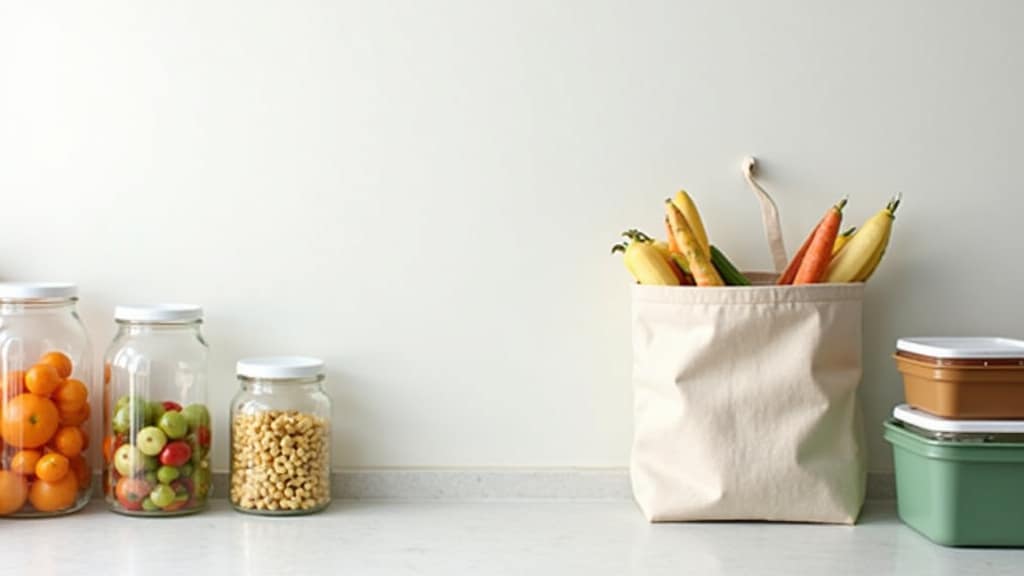
- Grocery Shopping: I began taking my own reusable shopping and produce bags to the store. Skipping individually wrapped foods and buying fresh produce or bulk items cut my weekly trash big time.
- Kitchen Swaps: Out went the paper towels, in came the cloth rags. Beeswax wraps and glass containers replaced plastic wrap. I also started composting all my veggie scraps, keeping them out of the trash can entirely.
- Personal Care: Toothpaste tablets, shampoo bars, and a bamboo toothbrush swapped out lots of singleuse plastic. Some zero waste stores near me even had refills for common personal products.
- On the Go: Carrying a water bottle, travel mug, utensils, and a lightweight container made it much easier to skip singleuse cups, straws, and takeout packaging.
Thanks to these simple swaps, I chopped my trash output by about half in my first few months. Every step made me feel more empowered in my own choices.
A Quick Get Started Guide for Going Zero Waste
Breaking zero waste into smaller, manageable parts helped me make changes without feeling overwhelmed. Here’s how I did it as a beginner:
- Take Inventory: For a week, I paid attention to what I was throwing away. That quickly showed me what types of trash piled up most, giving me an easy roadmap for where to start.
- Make Simple Substitutions: I picked just one singleuse item to swap at a time. Replacing plastic shopping bags with reusables was my first step, making every grocery trip better.
- Reuse and Repurpose: Instead of buying new containers, I just washed and reused glass jars. Old T-shirts became cleaning cloths; free and effective.
- Compost Organics: Setting up a small compost bin for fruit and veggie scraps was easier than expected, and it slashed my trash output each week.
- Recycle Correctly: I doublechecked what my local recycling service accepts. Putting only those items in the bin keeps contamination down and makes my effort count.
Making one improvement at a time, rather than overhauling everything at once, kept my motivation high and the change sustainable.
Common Hurdles and How I Handled Them
Zero waste isn’t without bumps in the road, but I found ways to work around them. Here’s how I tackled the main challenges:
Access to Bulk and Refill Stores
Not every neighborhood is lucky enough to have a zero waste or bulk store nearby. When bulk wasn’t an option, I bought goods in recyclable packaging or picked the product with the least packaging.
Shopping from bulk bins is ideal, but in areas where that’s not possible, I ordered pantry goods online from stores committed to lowwaste packaging. Local farmers markets often had unpackaged produce as well.
Convenience Products
On hectic days, it’s tempting to grab whatever’s fastest, which is often plasticwrapped. Prepping snacks ahead, and putting together a reusable kit for when I’m out, saved me from impulse trash.
Friends and Family
Hosting events or parties often meant extra trash. I brought out reusable dishes and explained my habits, often sparking positive conversations and new ideas for reducing waste together.
Budget Limits
Zero waste items seem pricey at first, but I spaced out purchases and remembered reusable things save money over time. Buying secondhand and watching for sales really made a difference too.
Swapping Out Convenience
For busy days, homemade snack mixes and reusable snack bags were easy to pack, so I could skip lastminute packaged options. It was a tiny step, but it made a serious dent in my singleuse trash.
Boundaries with Others
When friends and family joined in, or at least respected my choices at gatherings, it encouraged new habits all around. People were often curious and open once I explained what I was doing.
Budget Stretches
You don’t need to buy every reusable item all at once. I replaced things slowly as they wore out. My top example: my sturdy reusable water bottle, which has lasted years. Always look out for used options and deals when switching things up.
Planning ahead and giving myself time to adjust helped me get through the hurdles and keep going.
Practical Tips for Making Zero Waste Easier
The longer I stuck with zero waste, the more tricks I picked up to keep things simple and stress-free:
Batch Meal Prep: Cooking several meals at once helped me skip takeout and singleuse packaging during busy workweeks. Leftovers went right into reusable containers—no waste, less stress.
Keep the “Big Five” Handy: I always kept five basics with me: water bottle, travel mug, utensils, reusable bag, and a food container. Keeping these close by, whether in my car or bag, really cut down on onthego waste.
Choose Quality Over Quantity: Going for a few solid products, like stainless steel containers or beeswax wraps, paid off in the long run since they lasted so much longer than cheap alternatives.
Share and Swap: Sharing extra jars, bags, or containers with friends, or joining local swap groups, helped everybody reduce waste together.
Little things like these take the pressure off and make “no thanks” to singleuse packaging an easy choice.
Where Zero Waste Fits in Everyday Life
Zero waste isn’t something that stays at home—it follows me everywhere. When I travel, I pack snacks and drinks for the family. At work, a lunchbox and reusable mug cut down on daily waste. Holidays and birthdays? I get creative with fabric gift wrap, reusable bags, or old newspaper instead of buying new wrapping paper. These choices, small and big, stack up to make a greater impact over time.
In my community, I join city cleanups, attend zero waste classes, and organize local swaps. Doing things as a group not only drops the local trash count but also turns zero waste into a shared experience. There are plenty of free or affordable local resources, so check your city’s website or jump into “zero waste groups” online for events, tips, and inspiration.
- Meal Prep and Planning: Keeping leftovers out of the trash and making a plan to avoid food waste is key.
- LowWaste Hobbies: Working on repair projects, upcycling crafts, or starting a small garden all go hand in hand with zero waste living.
- Community Connections: From clothing swaps to group composting and neighborhood cleanups, joining in multiples the results and makes it more fun.
Frequently Asked Questions
People new to zero waste have plenty of questions. Here are a few that come up most often, along with what I’ve learned:
How can beginners get started if they feel overwhelmed?
Choose just one singleuse item to replace. For me, reusable bags or a water bottle got the ball rolling. Gradually adding more changes keeps things from feeling impossible.
Do I need to buy special “zero waste” products?
Nope—I reused jars, bags, and containers already at home. Higher quality or specialty items can come later, focusing on things you use most.
Is zero waste expensive?
It can feel that way at first, but over time, the savings add up. Buying less, reusing more, and repairing things is much friendlier on my budget in the long run.
Finding My Own Path With Zero Waste
Everyone’s path to zero waste looks different. For me, progress felt best when I went at my own pace and found habits that really fit into my routine. I celebrated small wins, like cutting my trash down to a single bag a month or skipping takeout containers for a week. Friends and family joined in bit by bit. Every little bit helps—good for my wallet, my daily life, and the planet.
Trying these changes out has been rewarding, and it’s opened up lots of ways to learn, share, and connect with others in my community. Starting slow and being patient with myself are what made my zero waste habits stick for the long haul.
Free energy explorer GPT
Explores actual free energy inventions and discoveries.
Make your own inventive corner
Ready to start your own website and share your passion with the world? Join me and unlock step-by-step training to build your online presence just like I did! Use my links if you want me as your coach!