Breakthroughs In Space Exploration Technology
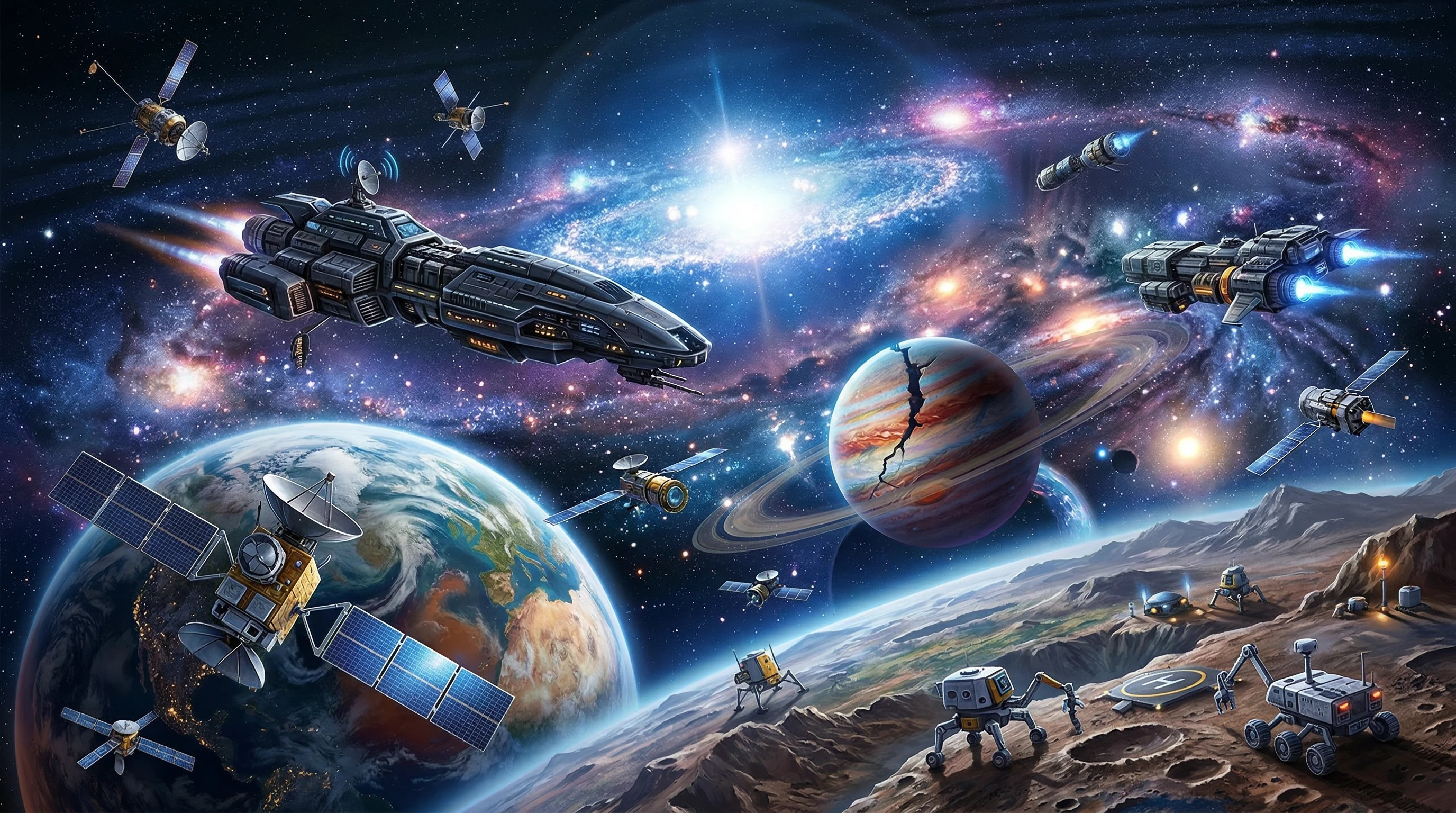
Space exploration technology has moved forward fast over the past few decades. These leaps have changed the way I look at our universe and the ways we’re reaching past our home planet. From breakthrough propulsion systems to robotic landers touching down on distant worlds, technology is constantly pushing the edges of what’s possible in space. In this article, I’m going to talk you through some of the biggest breakthroughs that have shaped space exploration and show how these advances have made stumbling upon new discoveries easier and more thrilling for everyone.
Major Milestones in Space Exploration Technology
Space technology has made tremendous progress since the first satellites circled our planet. Every major step builds off past work and paves the way for future adventures. Knowing about these pivotal achievements helps anyone appreciate how far we’ve come and get a sense of where things are headed. NASA points out that inventions like reusable rockets and advanced robotics have made space missions more affordable and eco-friendly. These tools are essential for the next big projects, ranging from sending astronauts to Mars to venturing into deep space.
I remember feeling inspired when I saw actual photographs sent from Mars by the rovers. What seemed like science fiction years ago has turned into reality because of new technology. Now that private companies are playing a bigger role, space technology is seeing a glow-up and bringing in a ton of fresh energy and fresh ideas.
Understand the Basics? What Drives Modern Space Technology?
Multiple factors help space exploration leap forward. New materials, software breakthroughs, and better ways of powering equipment all play a role. If you’re just getting into space topics, it’s good to know the basics that make deeper discoveries possible.
- Propulsion Systems: New kinds of engines, like ion thrusters and reusable rocket boosters, let us travel faster, further, and more cheaply than ever before.
- Robotic Automation: Automated systems and robots take care of dangerous jobs, such as collecting samples from distant moons or planets, so humans don’t have to be there.
- Miniaturization: Tiny, lightweight satellites and probes mean we can send out more missions at the same time or reach places that were off-limits before.
Learning about these building blocks makes it easier to see why more missions are happening and why the risks keep going down.
Get Ready? A Practical Guide to Following Space Technology
Following new space tech news is rewarding, even if you’re not part of the industry. Here’s my way to stay in the know:
- Follow Credible News Sources: Watch for updates from NASA, ESA, SpaceX, and other reputable organizations. You’ll find new plans and inventions on their official sites and social feeds.
- Check Out Mission Briefings and Live Launches: Watching launches and mission briefings live lets you track the action as it happens and connect with the people making it all work.
- Explore Interactive Space Simulations: Plenty of online platforms let you try your hand at designing spacecraft or simulating missions with real data. This hands-on approach makes tough concepts fun to dig into.
- Join Community Forums: Online forums and space clubs are full of enthusiasts sharing news, discussing fresh technology, and tracking how it’s changing exploration.
Using these tips helps keep the excitement alive and lets you feel part of the adventure as new milestones are hit and new gadgets are revealed.
Challenges and Things to Keep in Mind When Exploring Space Tech
Exploring space comes with major challenges. Both engineers and fans need to be aware of some big hurdles and how new tech is being used to tackle them:
- Cost of Missions: Launches and spacecraft construction can cost billions; however, reusable rocket design and smart spacecraft engineering are steadily making missions more affordable.
- Radiation Hazards: Both spacecraft and astronauts face real dangers from cosmic and solar radiation. Innovations in protective materials and mission design are making it safer for everyone involved.
- Reliability and Redundancy: Any system failure could derail an entire mission. Today’s spacecraft include backup electronics and things like self-healing circuits to minimize the risk of mission-ending problems.
- Space Debris: Earth’s orbit is filling up fast. New debris tracking technology and systems designed to remove junk are smoothing the way for future safe launches.
Cost of Missions
Space travel once seemed only possible for large government agencies with huge budgets. Thanks to rockets like the Falcon 9, which are built for multiple uses, launching satellites and sending probes into space is far less expensive now. I’ve seen startups send tiny satellites, making space more accessible than ever before.
Radiation Hazards
Radiation from outside Earth’s magnetic bubble is tough on both technology and people. Material science is digging into solutions, using substances like thick polyethylene and experimental ceramics to better shield vital systems and protect astronauts during long voyages.
Reliability and Redundancy
Since you can’t just swing by to repair a satellite in deep space, equipment must be almost fail-proof. That’s why redundancy is key — meaning there are backup systems for power, communications, and data storage. Some satellites even use artificial intelligence for problem-solving and real-time troubleshooting.
Space Debris
Our planet’s orbit is cluttered with old satellites and debris. Systems that warn about collision risks and planned mission endings help avoid accidents. Projects like ESA’s e.Deorbit are taking things further, working to physically remove junk using specialized spacecraft.
While these hurdles are tricky, careful planning and constant invention are making space exploration safer and more practical year after year.
Cutting-Edge Tech? What’s Changing the Game in Space Exploration?
Once you’ve got a handle on the basics, it’s super exciting to get into the latest tech set to transform space exploration:
- Reusable Rockets: Rockets that land upright and get refueled for new flights save loads of money. Companies like SpaceX and Blue Origin have made it normal to watch boosters touch down after blasting payloads into orbit; it’s genuinely eye-catching.
- AI in Space: Artificial intelligence analyzes huge amounts of data from far-off worlds, helps fly spacecraft with no human input, and even lets Mars rovers make split-second choices on the ground, making missions bolder and safer.
- 3D Printing in Space: On the International Space Station, 3D printers create spare parts and custom tools, cutting down on costly shipments and ensuring repairs can be made quickly miles from Earth.
Other developments I find exciting are ideas for mining the Moon with robots, refueling systems that keep craft in orbit for longer, and futuristic solar sails harnessing the push of sunlight to cruise the solar system without engines or fuel.
Practical Applications? How Space Tech Affects Everyday Life
Space tech isn’t just about journeys to Mars. Inventions from this world have big impacts on daily living here, too. For example:
- Global Communications: Networks of satellites bring reliable, high-speed internet to remote locations, linking up communities for education, emergency help, and business worldwide.
- Earth Observation: Satellites with high-res cameras make it possible to track severe weather, monitor forest fires, and even follow changes in farmland and forests. I check on hurricanes and tornadoes as they develop thanks to these images and data feeds.
- Material Science: Lab work in weightless environments aboard the International Space Station has led to new, stronger alloys, medical innovations, and water purification tech used across the globe.
Think about how GPS guides your drive or how satellite TV brings news from every corner of the world—there’s a little bit of space magic in all of it.
Frequently Asked Questions About Space Exploration Technology
Lots of people ask about the big moments and new innovations in space. Here are a few of the most common questions I hear—and my thoughts on them:
Question: What’s the biggest change in rocket technology recently?
Answer: The move toward rockets you can reuse over and over. That switch up dropped prices for launches and helped reduce waste by making single-use launches a thing of the past.
Question: How is artificial intelligence used in space technology?
Answer: AI systems sift through scientific data, steer spacecraft, and let robots, such as Mars rovers, make some decisions by themselves. This means more discoveries and less danger for astronauts.
Question: How does space technology help people on Earth?
Answer: Technology first made for space missions ended up powering things like GPS, fast satellite internet, and lifesaving weather prediction. Even some tools used in hospitals or water filters for remote areas owe their origin to research done for life beyond Earth.
Let’s Wripe Up and Look Toward the Future of Space Technology
Following the quick pace of new space technology has shown me how inventiveness and persistence lead to next-level cool ideas each year. Reusable rockets, smarter AI, and new ways to use tools first meant for space are opening up the solar system while making life better at home. Space tech isn’t just about adventure far from Earth—it’s about new possibilities everywhere, every day. I can’t wait to see what awesome thing we’ll stumble upon next!
Curiosity Champion GPT
I’m Curiosity Champion, your trusted source for diverse knowledge inquiries, always prioritizing privacy and respecting copyrights.