
Keeping up with today’s waste problems means coming up with new and better ways to deal with our trash. Waste management isn’t just about tossing things out; it’s about finding smart solutions to reduce, reuse, recycle, and even turn garbage into something useful. There’s a lot happening in this field right now, so I’m excited to share the latest innovations that are changing the game for communities and the environment.
How Technology is Making Waste Management Smarter
Traditional waste collection used to mean trucks moving from house to house on a fixed schedule. Now, smart technology is helping cities make better choices about when and how to pick up the trash. These updates are already making things more efficient, cutting costs, and helping the environment along the way.
Many city trash bins now include sensors that measure how full they are. With these sensors, city workers only come by when bins are actually getting close to full, which means fewer truck trips and less fuel burned. Some waste management companies also use GPS and route optimization software, which plan the most efficient way for trucks to drive each day. That’s not just about saving money, it’s about reducing carbon emissions, too.
- Sensor Bins: Trash and recycling bins fitted with sensors alert waste haulers when they’re full.
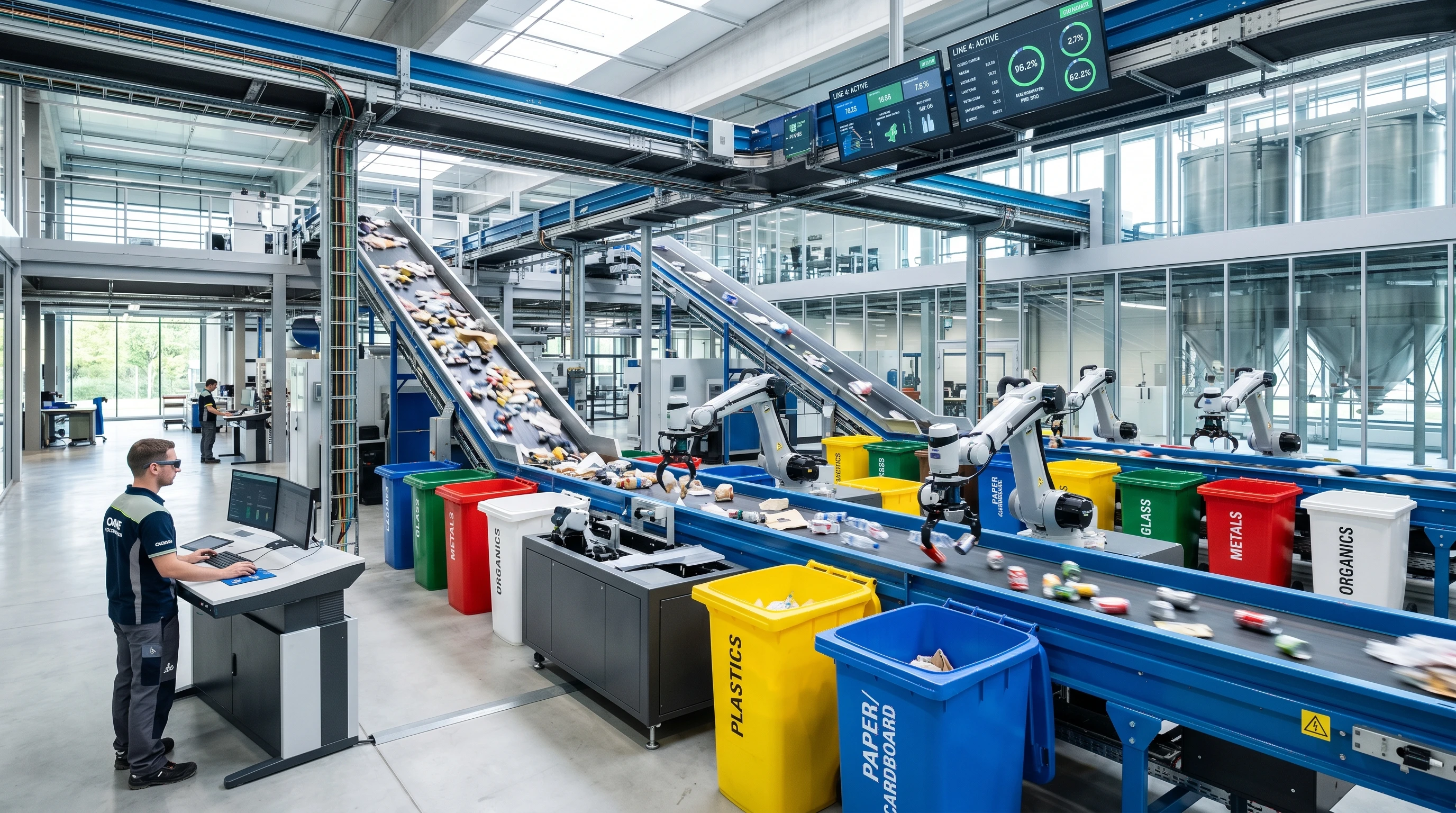
- Automated Sorting: Materials recovery facilities now use robots and AI-powered cameras to sort items by type, faster and more accurately than humans.
- Smart Collection Routes: Real-time data helps design pickup routes so trucks avoid empty bins and clogged city streets.
Being able to track and analyze waste data is also pretty handy for city planners, who can spot trends in what people throw out and where recycling rates can be improved. For example, some cities use this data to track down neighborhoods with low recycling participation and launch targeted education campaigns.
Recycling Upgrades and Advanced Materials Recovery
Recycling has been around for decades, but new tech is making it way more effective. It starts at the sorting facility, where all the stuff you toss into your blue bin gets organized and sent for further processing. The latest facilities use a whole range of high-tech gear, like infrared sensors, machines that use magnets to grab metals, and even robots that sort different types of plastics. These eye-catching machines operate nearly nonstop and help keep valuable resources in use.
Plastic waste is a huge headache, but chemistry is lending a hand here, too. Chemical recycling, for instance, breaks plastics down to their original building blocks. That means plastic bottles could one day be endlessly recycled into other useful products instead of sitting in landfills or floating in waterways. This method keeps more plastics out of our oceans and helps create a more sustainable loop for plastic materials.
- Near Infrared Sorting: Separates plastics and textiles by type at lightning speed.
- Chemical Recycling: Decomposes plastics so they can be reused, even when traditional recycling can’t handle them.
- AI-Powered Robots: Sort thousands of recyclable items per hour, much faster than a human ever could.
Upgrades like these help keep more materials out of the trash pile and put them back into circulation as new products. That closes the loop on the “reduce, reuse, recycle” cycle in a way that’s never been possible before.
Circular Economy Turns Waste Into Resources
Dealing with waste isn’t only about getting rid of what we don’t want. It’s about looking at resources differently. The circular economy mixes things up by looking for ways to keep stuff in use for as long as possible, rather than just tossing it out at the first sign of wear.
One cool development comes from bioplastic, which is made from plant-based material instead of petroleum. Because it breaks down much faster than regular plastics, bioplastic helps ease the pressure on landfills and oceans. Some companies are even designing products to be reused, repaired, or easily broken down when they’re no longer needed, giving a boost to environmental efforts and sustainability goals.
- Biodegradable Packaging: Food containers and packing material that break down in months instead of centuries.
- Product as a Service Models: Big brands now rent out products or offer easy repair options so items stay in use longer instead of being replaced.
- Resource Recovery Plants: Facilities recover energy, nutrients, and raw materials from waste streams, sending them back into the economy instead of the landfill.
Shifting to this circular model gives businesses a reason to design longer-lasting goods and helps communities cut down on single use stuff. This trend is expected to keep growing as sustainability becomes more popular among businesses and consumers.
Energy From Waste Becomes Cleaner Power From Garbage
Landfills are pretty rough for the environment, partly because they release greenhouse gases like methane. New wastetoenergy technology tackles that by capturing methane and turning it into electricity or natural gas. Some systems even use heat from burning waste to provide power or heat buildings, making sure garbage turns into something worthwhile.
- Landfill Gas Recovery: Pipes collect methane from buried trash before it escapes, turning it into fuel for power plants or local energy grids.
- Incineration With Energy Capture: Wastetoenergy facilities burn trash in a controlled way, using that heat to make steam, which drives turbines and generates electricity.
- Small Scale Biogas Projects: In farms and communities, special tanks called digesters turn food scraps and manure into both fertilizer and fuel.
This means even garbage can help keep the lights on or power a city bus fleet, giving new purpose to stuff that would otherwise just rot away. Some cities have even started installing solar panels over closed landfill sites, providing additional clean energy from ground that otherwise wouldn’t serve much use.
Community Programs and Zero Waste Initiatives
Technology isn’t the only thing making a difference. People power matters, too. Across neighborhoods, schools, and workplaces, new programs aim for zero waste or at least getting as close to it as possible. The idea is simple: throw away less and find creative ways to use every item until there’s practically nothing left to landfill.
Composting is one of the most popular communitydriven efforts. By collecting food scraps and yard waste, you can make rich soil for gardens, cutting down the amount of garbage shipped to a landfill. Businesses are jumping in too, with reusable container programs and partnerships with donation centers to keep usable goods out of the trash. Some schools even set up composting bins in cafeterias and hold recycling contests to raise awareness among students.
- Community Compost Hubs: Groups collect food waste from homes and restaurants to turn into fertilizer.
- Repair Cafés: Pop-up events where volunteers fix electronics, clothes, or appliances for free.
- Reuse Exchanges: Online boards or community shops that help neighbors find new homes for stuff they no longer need.
When everyone chips in, cities get cleaner, costs go down for hauling waste, and people get to share in the effort. It’s a win all around. Many of these community-driven ideas have spread like wildfire, proving that even small actions can have a big impact when people work together.
Things To Think About Before Upgrading Waste Management Systems
There’s lots of promise in all these new options, but changing the way a city or company handles waste takes planning. Here are some things I always remind folks to check out first:
- Cost vs. Benefit: New gear and systems can save money over time, but they often come with upfront costs. It makes sense to weigh those out and see which upgrades give you the most impact for your dollar.
- Training and Education: Hightech sorting or composting works best if people know how to use it. Training helps operators and the public get the most from these systems.
- Policy and Regulations: Rules around waste management can affect what’s possible, like whether a city can build a compost facility or allow wastetoenergy plants. Staying up-to-date keeps things running smoothly.
- Community Engagement: The best programs get buyin from the people who will use them. Open houses, workshops, and feedback forums help everyone understand the what and why.
Cost vs. Benefit
Big upgrades often cost more up front, so it’s practical to plan out your budget. Many cities find that smart bins or new recycling gear pay for themselves within a couple years by saving fuel or selling more recovered materials. Doing a pilot project first can help spot any glitches before rolling out something new citywide.
Training and Education
Even the fanciest system won’t work if people aren’t on board. Training for workers and clear info for residents, like what can or can’t be recycled, go a long way toward making new programs stick around.
Community Engagement
Sharing success stories and involving people in the changes keeps enthusiasm high. This could be as simple as offering composting workshops or a place for feedback on new recycling bins. It’s all about making sure everyone feels like they have a stake in the process.
NextLevel Tips and Creative Approaches
Innovation isn’t just about shiny new tech. Sometimes, clever thinking is just as valuable. Here are some creative approaches people are trying out:
PayAsYouThrow: Some towns bill residents only for the garbage they actually toss out, not a flat rate. This encourages people to recycle and compost more.
Zero Waste Events: Festivals and concerts set up stations for food scraps, cans, and compostables, keeping nearly all trash out of landfills.
Reverse Vending Machines: These machines accept empty drink bottles or cans and reward users with store credits, snacks, or even cash.
Each small step adds up, so even modest changes in your home, school, or city can go a long way over time. City leaders are looking at creative educational campaigns and school partnerships to build lasting habits with the next generation.
Frequently Asked Questions
Questions about innovation in waste management pop up pretty often. Here are three I get a lot:
Question: Is smart waste management expensive to start?
Answer: It can cost more at first for things like sensor bins or AI robots, but these usually save money over time by cutting down on truck trips and sorting waste better.
Question: Can composting really make a difference in my neighborhood?
Answer: Absolutely. Composting can cut trash sent to the landfill by up to a third, save on collection costs, and create useful fertilizer for local gardens or parks.
Question: What’s the most promising new technology in waste management?
Answer: Chemical recycling and smart sorting robots are really making a splash right now. They help process hardtorecycle plastics and sort materials more accurately, which keeps more resources in use and less in the landfill.
Final Thoughts
The push for better waste management is gaining speed thanks to smart tech, creative programs, and people working together to find new uses for old stuff. Every community has its own way of making progress, whether it’s running local compost hubs or investing in hightech sorting machines. Checking out these new ideas can help anyone do their part, so it’s worth seeing which strategies fit your home, business, or town best. The more we keep an eye out for cuttingedge solutions, the better equipped we’ll be to face tomorrow’s waste challenges together.
Free energy explorer GPT
Explores actual free energy inventions and discoveries.