Reduce Your Household Carbon Footprint With Simple Tips And Tricks
Lowering my household carbon footprint is important to me because it makes a real difference for the planet and saves money. While making these changes can seem overwhelming at first, I’ve learned that even small steps add up to noticeable results. Once ecofriendly habits become routine, they’re much easier to stick with and share with others.
In this guide, I’m going to walk through some simple, practical tips that fit just about any lifestyle, whether you live in a house or an apartment. These suggestions cover areas that make the biggest impact, like home energy use, getting around town, food habits, and waste. With these strategies, I’ve found it’s completely possible to lower emissions and create a more efficient, comfortable home.
Every home situation is different, so I recommend giving just one or two changes a try at first. Over time, adding more steps feels less like a chore and more like a personal win. If you have kids, roommates, or a busy schedule, these tips are flexible enough to adapt.
Start by Knowing Your Carbon Footprint
It helped me a lot to first get a sense of how much carbon my household actually produced. Household carbon footprint combines all the greenhouse gases released from daily activities, like using electricity, heating and cooling, driving, eating, and tossing out waste.
How to Estimate Your Impact
- Use an online calculator like the one from the EPA or CarbonFootprint.com. These tools ask about your energy bills, travel habits, and food consumption.
- Track your monthly electricity, gas, and water bills for a few months to spot any trends and get a feel for your usage.
- Think about your use of singleuse plastics, packaging, and how much waste you throw out each week.
I found this process eyeopening and motivating. It gave me a baseline to measure my progress, which kept me focused on real results.
Sometimes, you might stumble upon habits that cost more emissions than you realized, like running the dryer constantly or leaving gadgets plugged in. Getting the facts makes it easier to pick your first changes.
Use Energy Wisely at Home
Home energy use is a major part of any household’s carbon footprint. Over the years, I’ve picked up habits that cut down my electricity and gas without sacrificing comfort or convenience.
Practical Steps for Saving Energy
- Switch to LED bulbs. They use way less power and last much longer compared to old, inefficient bulbs.
- Unplug devices. A lot of electronics quietly use energy even when they’re off. I use a power strip to cut the charge to things like TVs and chargers when I’m not using them.
- Program your thermostat. Even lowering or raising the temperature by one or two degrees can make a noticeable difference. I set up a schedule based on when I’m home or asleep and saw the savings add up.
- Seal windows and doors. Weatherstripping made it easier to keep warm or cool air inside, which cut down how much I run the heater or AC.
Bigger Upgrades to Consider
- Install energyefficient appliances. When I have to replace something, I look for ENERGY STAR ratings to make sure I’m making an upgrade instead of just a swap.
- Add insulation. Adding insulation to the attic and walls shrunk my heating and cooling bills and made the house more comfortable.
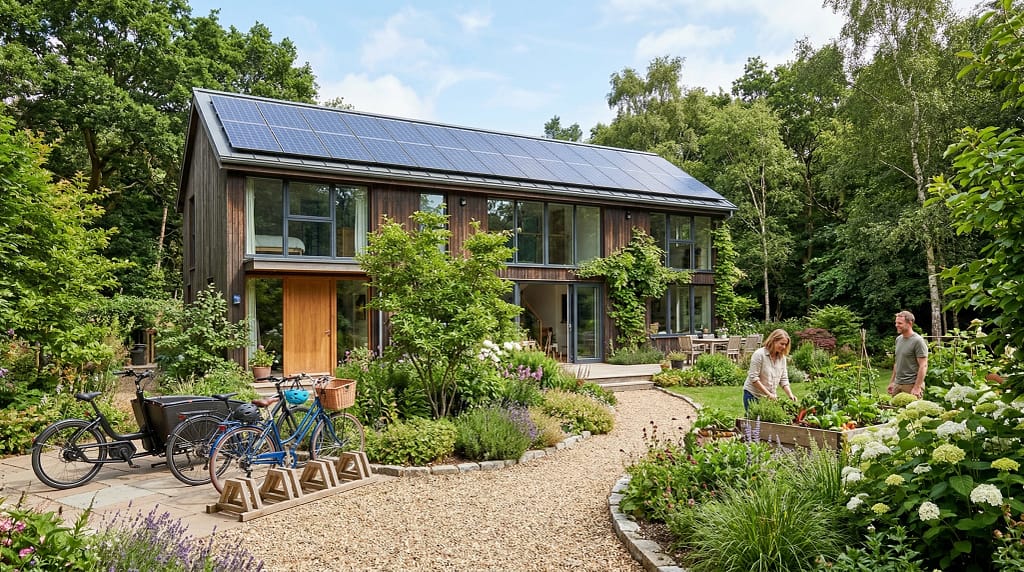
- Consider solar panels. If you own your home and have the budget, these can bring lasting savings and much lower emissions over time (more info).
Small energy tweaks have a big impact over a year, and these changes often pay for themselves surprisingly quickly.
Rethink How You Get Around
Transportation choices make up a big part of most people’s carbon footprint. While I don’t always have control over every commute or long trip, I try to make better choices when I can and plan ahead to cut out unnecessary driving.
Everyday Actions that Cut Emissions
- Walk or bike instead of driving for short trips. Not only does this save gas, but I feel healthier and more energized.
- Use public transit whenever practical. It’s easier than I expected and lets me relax during the ride.
- Carpool with friends, neighbors, or coworkers when possible to cut down the total number of cars on the road.
- Plan trips efficiently. Doing errands in one go helps avoid extra drives, which saves time and fuel.
Vehicle Upgrades
- Drive a fuelefficient car. Keeping tires properly inflated and getting regular tuneups helps the car run better and use less fuel.
- Consider an electric or hybrid vehicle if you’re looking for a new car. Even though the upfront cost can be higher, fuel and maintenance savings often make up the difference over time. The U.S. Department of Energy provides helpful comparisons (more info).
You don’t have to give up driving altogether, but even small changes or smarter planning can make a clear difference.
Make Greener Food Choices
Food habits play a surprising role in household emissions, mainly due to how food is produced and shipped. I’m not a professional chef, but even simple changes made a noticeable impact.
Simple Steps to Lower Your Food Impact
- Eat more plantbased meals. Even just a couple meatless days per week help out. Foods like beans, grains, and vegetables use a fraction of the resources compared to most meats.
- Buy local and seasonal foods. Food grown closer to home often uses less packaging and transportation, and often tastes fresher.
- Cut down on food waste. Planning meals, saving leftovers, and freezing items close to their expiration date saves money and keeps food from ending up in landfills.
Composting
I started composting kitchen scraps, which keeps food waste out of the landfill. Some cities now offer curbside compost pickup, and anyone can try a backyard compost bin themselves. It’s a simple way to give food scraps a second life as fertilizer for plants or gardens.
Reduce, Reuse, and Recycle
Cutting down on waste was easier than I thought. By tracking the amount of garbage I produced, I could look for where changes would help most.
Easy Ways to Cut Household Waste
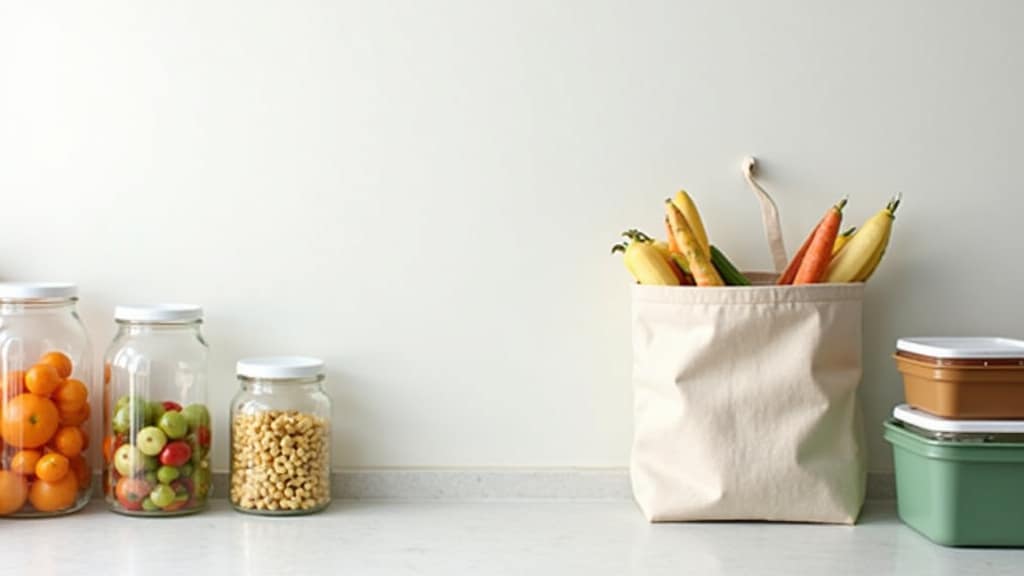
- Decline singleuse items like plastic bags or bottles whenever you can. I keep reusable shopping bags and a refillable bottle in my bag or car for convenience.
- Recycle properly. Different cities have different rules, so I check guidelines and always wash and sort containers so they don’t end up in the trash.
- Donate or repurpose old things instead of tossing them. Local charities often welcome gently used furniture, clothing, and electronics.
- Buy durable goods that are made to last. I avoid impulse purchases and choose things that can handle regular use and are easy to repair or recycle.
Making these habits regular means less garbage for the landfill and more savings over time. Even switching out disposables for reusables makes a noticeable impact.
Common Questions & Everyday Solutions
Do small changes really help?
When I started, I wondered if my actions made an actual difference. On their own, some changes can seem tiny, but when more people get involved, the benefits multiply. According to the EPA, small shifts in many households lead to a significant drop in emissions altogether.
How can I stay motivated?
- I set realistic goals and track my progress every month to see improvements.
- I celebrate savings on energy bills and fewer garbage runs.
- I check out community sustainability groups or inspiring ecofriendly accounts online for new ideas.
What if my family or roommates aren’t interested?
If others don’t jump in right away, I try to lead by example instead of pushing. Pointing out the benefits and inviting them to try a leftover meal or a walk instead of a drive often helps the changes catch on gradually.
Simple Action Plan to Get Started
- Pick one area, like home energy or how you get around, and try one easy switch—maybe turning off unused lights or walking for a short trip instead of driving.
- Track your energy use and waste for a week so you can notice progress and set personal goals.
- Share your experience with friends or family and encourage them to try a small change as well.
Lowering my household carbon footprint became much easier once I saw it as a stepbystep process, not a big project. Each new habit becomes just another part of daily life. I feel good knowing my home is more sustainable and that I’m making a real difference. Feel free to share which tip you want to try or what works well for you—I’m always looking to hear new ideas from others on their own sustainability adventure! If you have questions or tips of your own, don’t hesitate to share them—together, we can make an even bigger impact.
Free energy explorer GPT
Explores actual free energy inventions and discoveries.