
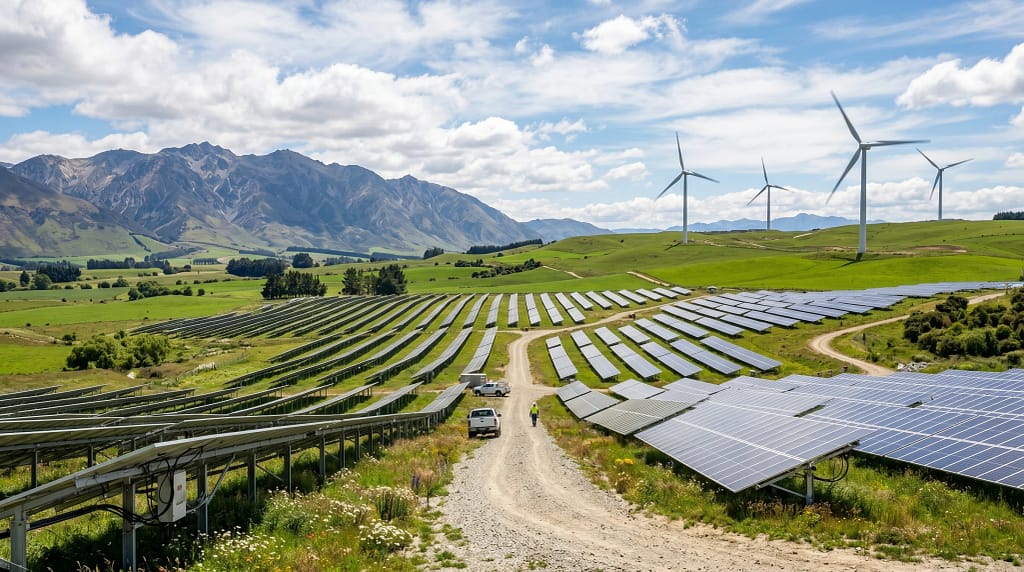
The Rise Of Renewable Energy
How Solar And Wind Power Are Shaping Our Future
Renewable energy is getting more attention every year as people look for ways to power homes, businesses, and cities without relying so much on fossil fuels. I’ve spent a lot of time researching trends in energy and have seen firsthand how solar and wind power are shaping what the future of electricity might look like. If you’ve ever wondered about how these energy sources work and what they mean for you and your community, I’m going to share some of the main points you’ll want to know.
How Renewable Energy Became Mainstream
Interest in renewable energy didn’t happen overnight. There have been decades of technology development, debate, and gradual adoption. I notice that the demand for solar and wind energy really began to grow as prices for solar panels and wind turbines fell. In fact, according to the International Energy Agency, renewable energy made up almost 30% of global electricity generation in 2021, with solar and wind being the most popular sources among new installations.
Solar and wind power have been around for a long time, but improvements in efficiency and cost have made them more useful. In the early days, installing solar panels or wind turbines was expensive and mostly done by large utility companies or wealthy individuals. Now, you can see rooftop solar panels in many neighborhoods, and wind farms rising in rural and coastal areas. These changes come partly because many governments started offering tax breaks and other incentives to make renewable energy more attractive for everyone.
Solar Power Turns Sunlight into Electricity
Solar power is energy harnessed directly from the sun. I’m always impressed by how simple the idea sounds. Sunlight hits a panel, and out comes electricity. The panels are made up of photovoltaic cells that convert sunlight into direct current (DC) electricity. An inverter then converts this DC into alternating current (AC), which is what most homes and businesses use.
Many people decide to put solar panels on their roofs to cut down on their electricity bills and reduce their carbon footprint. In some regions, utility companies offer net metering, which means you can sell extra power your panels produce back to the grid, helping you save even more.
- Solar Farms: Larger installations built by utility companies or communities can generate megawatts of power at once, supplying energy to entire neighborhoods.
- Home Systems: Smaller panel systems for residential use are often enough to meet daily energy needs, especially in sunny areas.
- Community Solar: For those who can’t put panels on their own roofs, shared solar projects allow many people to benefit from a large solar installation nearby.
Wind Power Captures Energy from the Breeze
Wind power uses large turbines placed in open areas to capture the movement of air and turn it into electricity. Turbines have blades that spin when the wind blows, and this motion drives a generator to produce power. I’ve stood near a wind farm before, and it’s wild to hear the low hum as dozens of turbines spin at once.
Modern wind turbines are much more efficient than early models and can generate energy even at relatively low wind speeds. This means they can be placed in a wider range of locations than before.
- Onshore Wind: Turbines built on land are the most common. They’re typically installed in rural areas where there’s more space and steady breezes.
- Offshore Wind: These installations are built in the ocean, where winds are usually stronger and more constant. Offshore wind is growing quickly in coastal countries.
Get Started with Renewable Energy at Home
Switching to renewable energy at home can sometimes feel overwhelming. I’ve been through the research myself, so I want to break down the main steps that help make the process easier.
- Assess Your Options: Check to see if your area gets enough sun or wind to justify installation. Online calculators and local installers can help figure this out.
- Review Local Incentives: Many places offer rebates, tax credits, or grants for installing renewables. Asking a local installer or browsing government websites can help you find the latest programs.
- Get Quotes from Installers: Reach out to a few companies for free consultations and quotes. I found that asking questions about warranties, performance guarantees, and ongoing support is really important.
- Financing Options: Many companies offer payment plans, or you can get low-interest loans through green energy programs. Some people choose leasing instead of buying, which lowers the up-front cost but may reduce long-term savings.
- Check if You Need Permits: Local rules might require you to get approval before installing panels or towers. Your installer can usually guide you through the paperwork.
Even if you rent or live in an apartment, you might still be able to enroll in a community solar project or choose a green power option from your utility provider.
Potential Challenges and How to Prepare
Like any technology, renewable energy comes with its own set of challenges. Understanding these helps make a smooth transition and avoid common headaches.
- Initial Cost: While prices have dropped a lot, installing solar panels or wind turbines still isn’t cheap. However, incentives and long-term savings can make a big difference.
- Weather Dependence: Solar panels only produce power when the sun shines, and wind turbines need a consistent breeze. Battery storage or backup generators can help maintain power when the weather isn’t cooperating.
- Space Requirements: Not every property gets enough sunlight or wind, or has room for enough panels or a turbine. Community projects can work around this.
- Grid Connection: Sometimes connecting your system to the electricity grid can be complicated or take longer than expected. Doing your homework ahead of time is helpful, and working with a reputable installer makes the process easier.
Initial Cost
The price tag for a new solar or wind system can seem high at first. I’ve noticed that it’s smart to look beyond sticker shock and factor in monthly savings over time. Many systems pay for themselves in a few years, and some continue to save money for decades.
Weather Dependence
Solar and wind are dependent on the weather, and production fluctuates. I’ve seen how battery systems like the Tesla Powerwall and other home batteries can store energy for use overnight or during cloudy or calm days. Utilities are also developing better storage and smart grids to help address these challenges.
Space Requirements
Solar panels work best in open, sunny spaces, while wind turbines need tall towers and lots of room. Community and shared renewables are becoming more popular for people who can’t install their own systems. Besides, if you have a shaded rooftop or a small lot, you can still tap into solar energy through a community project or shared facilities nearby. In some neighborhoods, local organizations are starting programs where members invest together and split the energy produced.
Grid Connection
Connecting home systems to the main power grid can sometimes take extra time. Your installer helps with the paperwork and manages inspections, but patience is useful here. Once connected, you’ll likely find it’s easy to monitor your system’s performance from an app or website.
Careful planning and choosing a trusted installer goes a long way in making adoption of renewable energy easier and hassle-free.
Advanced Tips for Maximizing Your Renewable Investment
Stepping up your commitment to renewables means getting smarter about your setup. My experience has shown that even small changes can boost performance and savings.
Monitor Your Usage: Installing smart meters or using tracking software helps you see when you use the most power. Shifting heavy-use appliances to peak sun or wind hours improves efficiency.
Maintain Your System: Regular cleaning and occasional inspections keep solar panels and wind turbines running at their best. I usually check for dust, dirt, or damage every few months. Some folks set reminders to schedule yearly inspections and to clear away snow, leaves, or debris that might block panels or interfere with wind flow.
Optimize Positioning: Panels and turbines work best when they’re set up to catch the most sun or wind. Orientation and angle matter and professionals can recommend the best setup for your location. Seasonal adjustments, like tilting panels, can sometimes help maximize output during different times of the year if your system allows it.
Upgrading older systems with new panels, smarter inverters, or better batteries can also increase performance without a full replacement. Staying informed about the latest tech through reputable sources like the U.S. Department of Energy’s website is something I do to keep my system running well. For small businesses, exploring group purchasing can also lower costs and make upgrades more feasible.
Real-World Benefits of Solar and Wind Power
The benefits of renewables go far beyond lower utility bills. Here are a few examples I’ve noticed in everyday life:
- Lower Energy Costs: Many people find that their monthly electric bills drop right after switching to solar or wind, especially if they produce more than they use.
- Cleaner Air: Less pollution from power plants means healthier air, cleaner skies, and fewer greenhouse gas emissions.
- Energy Independence: Homeowners and communities can worry less about energy price spikes or outages when they generate their own power.
- Job Creation: The renewable energy sector has created thousands of new jobs in manufacturing, installation, sales, and maintenance. Programs to train new workers are popping up across the country, helping people switch careers and local economies to grow.
- Local Investment: When you install a solar system or wind turbine, you’re often supporting local installers, electricians, and suppliers. This keeps money in your community and encourages small businesses to thrive.
Frequently Asked Questions
I hear a lot of questions when talking to friends or neighbors about solar and wind power. Here are some that come up most often:
Question: How long do solar panels and wind turbines last?
Answer: Most solar panels and wind turbines last 20-30 years with minimal maintenance. Performance does decline a little over time, but most systems keep producing useful energy for decades.
Question: What if the sun isn’t shining or the wind isn’t blowing?
Answer: Most systems work alongside the regular power grid. Battery storage can cover downtime, and many utilities are building smarter grids to help balance supply and demand.
Question: Is renewable energy expensive?
Answer: The up-front cost can be high, but savings over time usually cover the investment. Incentives and financing options make renewables more affordable for most people.
Question: Can I use both solar and wind together?
Answer: Yes, some properties can take advantage of both. Using solar panels and a wind turbine together can even out your energy production since sunny and windy days don’t always line up. Combining both can boost your overall output and help you save more in the long run.
What I’ve Learned on the Road to Renewable Energy
Moving to solar and wind power has changed how I think about energy. I notice the impact on my bills, feel good about using cleaner electricity, and appreciate the growing sense of community around shared renewable projects. Exploring your renewable options pays off for your wallet and the environment. It’s something more people are considering as costs drop and the call for cleaner power grows. If you’re ready to take the first step, a little planning and research goes a long way. There’s a real sense of accomplishment when you see your own panels or turbines helping to power your life. Above all, the switch leaves you with a stronger connection to your community and the planet—and that’s something worth aiming for.
Free energy explorer GPT
Explores actual free energy inventions and discoveries.