Green Building Materials You Should Know About
Green building materials have started popping up everywhere in construction, and I’m always surprised by how many options are out there. Picking the right materials is one of the best ways to make a building more ecofriendly from the ground up. If you want to cut down on your project’s environmental impact or you’re just curious about smart choices for remodeling or new builds, knowing what’s available in green materials really helps.
What Makes a Material “Green”?
When a material gets called “green” in the building world, it usually means it’s designed to use fewer resources, last longer, and leave less of a footprint on the planet. For me, a good green building material is one that’s nontoxic, comes from recycled or renewable sources, and requires less energy to produce or transport.
Here are a few key things I look at when sizing up a green material:
- Recycled Content: Using products with recycled elements, like steel or glass, helps keep materials out of landfills.
- Renewable Resources: Bamboo and cork, for example, grow back quickly after harvesting.
- Energy Savings: Materials that add insulation or thermal mass can keep heating and cooling costs down.
- Low Emissions: Products that don’t release harmful VOCs (volatile organic compounds) keep indoor air cleaner.
- Durability: Longer-lasting materials mean fewer replacements and repairs down the road.
Popular Green Building Materials Worth Checking Out
The list of ecofriendly materials seems to get longer every year. Some have been around for ages, while others are newer inventions. Here are a few I’ve found super useful and interesting in different building projects:
- Bamboo: This is one of the fastest-growing plants on earth, and it’s surprisingly strong. I’ve seen it used for flooring, paneling, and even structural elements in certain projects. Bamboo resists swelling and shrinkage and has a look that fits into modern or traditional spaces.
- Recycled Steel: Steel is tough, and there’s already a ton of it out there. Makers can now turn scrap steel into beams and panels for framing. Not having to mine and refine new metal cuts back on energy use and emissions.
- Insulated Concrete Forms (ICFs): ICFs are foam blocks or panels that snap together like big Legos. You pour concrete inside, and you end up with a superinsulated, energy-saving wall. The forms themselves often have recycled content, which is a nice bonus.
- Cork: Harvested from the bark of cork oak trees (which regrows), cork is light, naturally antimicrobial, and great for soundproofing. You’ll see it mostly on floors and walls. Plus, it’s comfy underfoot and has a warm look.
- Reclaimed Wood: Using old timbers pulled from barns, factories, or shipping pallets gives wood a second life and tons of character. I love the style reclaimed wood brings and the fact that it helps preserve forests.
- Low-VOC Paint and Sealants: Standard paints can off-gas chemicals into your home, but low-VOC (volatile organic compounds) finishes keep things much fresher indoors. They’re available in just about every color now, so you’re not limited on style.
- Recycled Glass Tiles: Made from post-consumer and industrial glass, these tiles look unique and help eliminate waste. They work well in bathrooms and kitchens.
- Sheep’s Wool Insulation: Wool offers solid insulation, resists fire naturally, and can absorb and release moisture without losing performance. Plus, it’s fully renewable.
- Fly Ash Concrete: Traditional concrete has a pretty high carbon footprint, but swapping in fly ash, a byproduct from coal plants, lets you use less Portland cement. The end result is just as durable and actually lasts longer in certain conditions.
How to Choose Green Building Materials for Your Project
I recommend thinking through your goals before you pick a material. Are you trying to lower energy costs, improve air quality, or just use something locally sourced? Budget and climate both play a part too.
- Assess Your Needs: Figure out which areas of your building will benefit most. For example, insulation has a big impact on comfort and bills, so that’s a good place to start.
- Check Certifications: Look for trustworthy certifications like FSC (Forest Stewardship Council) for wood or GreenGuard for low-emissions materials. These symbols mean someone checked the claims and found them reliable.
- Consider Life Cycle: Think about where a material comes from, how long it will last, what’s involved in caring for it, and how it can be disposed of or reused someday.
- Look for Local Sources: If you can buy your materials from nearby, you’ll avoid a lot of shipping emissions. Local stone, clay, and timber can be beautiful, too.
Watch Outs and Challenges with Green Building
It’s easy to get overwhelmed by buzzwords and marketing claims. I’ve found it’s really important to dig into the actual data behind a material, whether that’s durability, emissions, or the real content of recycled material. Some suppliers list “green” on the label, but the details don’t always add up.
- Higher Up-Front Cost: Sometimes ecofriendly products cost a little more at first, but I’ve noticed they tend to pay off through savings on utilities or fewer replacements over time.
- Availability: Not every part of the country has the same selection. You might need to check with local suppliers or contractors for the best sources.
- Performance in Local Climates: Some green materials shine in certain areas and not in others. For instance, rammed earth works best in dry regions, while wool insulation is great in climates with humidity swings.
- “Greenwashing” Claims: Watch out for exaggerated or unsupported claims. Reading reviews and checking for third-party certifications is really helpful here.
Bamboo
Bamboo is a top pick for me because of how fast it regenerates compared to hardwoods. Floors made from bamboo feel sturdy and hold up well in high-traffic spaces, plus they’re easy to refinish instead of replace.
Recycled Steel
Recycled steel beams replace traditional lumber, which means fewer trees cut down but more strength for tall or large buildings. In earthquake or hurricane zones, I’ve seen recycled steel stand the test of time where wood wouldn’t have made sense. If you want less maintenance and higher durability, this is worth looking into.
Natural Insulation Options
Mineral wool, sheep’s wool, cellulose, and even denim (yup, recycled jeans) all show up as insulation. Sheep’s wool is especially cool since it’s both renewable and good at handling humidity. It even cleans the air a bit by trapping indoor pollutants. Cellulose, made from recycled paper, is another I recommend for older homes; it settles nicely into wall cavities. Denim insulation, made from recycled fabric, helps lessen landfill waste and makes for a comfy, sustainable layer inside walls.
Low-VOC Finishes
If you notice your eyes or nose burning when you paint, you’re probably dealing with VOCs. Using low-VOC paints and finishes helps create a safer home, and you won’t have to air out a room for days after finishing up. There are even low-VOC stains and varnishes, expanding ecofriendly options throughout the home.
Reclaimed and Salvaged Materials
Doors, bricks, tiles, and sinks from salvage yards add character and help limit the waste that ends up in landfills. Some of my favorite finished rooms were done with reclaimed materials that you can’t find new anymore.
Examples and Real-World Uses
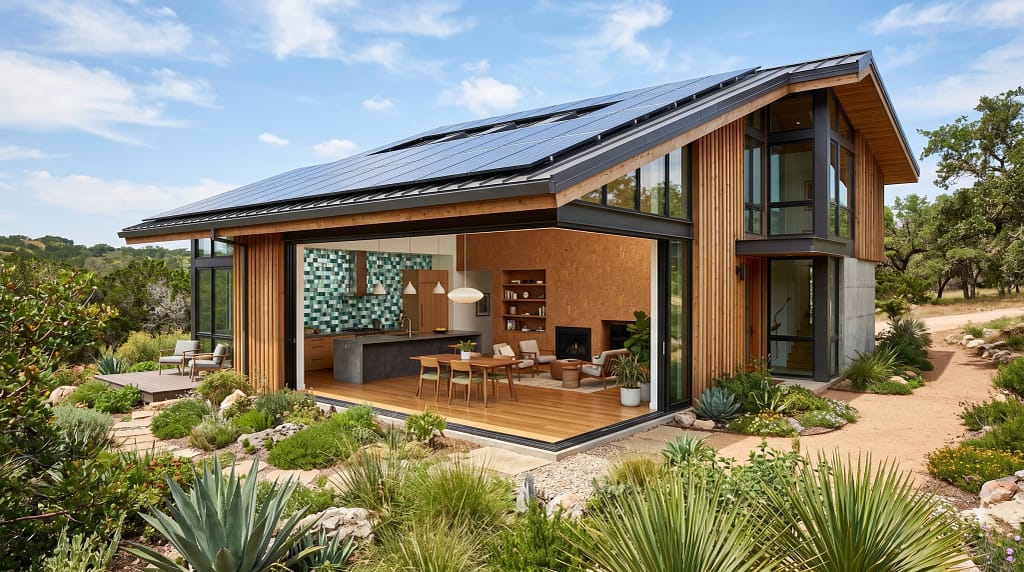
Green building isn’t only for new homes. Plenty of older structures have been upgraded using ecofriendly materials. I’ve seen bamboo floors in a 1950s bungalow and old factories updated with insulated concrete forms for better heating and cooling. Even a standard office space can benefit from switching to low-VOC paints and new insulation. Community centers and schools are increasingly making the switch to green materials, using everything from cork flooring to recycled steel roofs and reclaimed wood benches. These changes help educate the public while reducing operational costs for years to come.
- Residential Projects: Bamboo, cork, and sheep’s wool insulation are common in green home renovations.
- Commercial Spaces: Recycled steel, fly ash concrete, and glass tiles are used to make office buildings and stores more sustainable.
- DIY and Weekend Updates: Paints and reclaimed wood are simple swaps even for those working on small budgets. Even switching out cabinet pulls and door hardware for salvaged options can add instant charm and ecofriendly appeal.
Frequently Asked Questions
Green building can get a little confusing, so here are a few questions I hear most often:
Question: Are green building materials always more expensive?
Answer: Some are, but it really depends on where you buy and what you choose. Up-front costs can be higher, but life-long savings on utility bills and repairs usually balance it out.
Question: Will using eco-friendly materials really make a difference?
Answer: Absolutely. Even swapping out insulation or finishes for greener options can make a noticeable difference in comfort, air quality, and energy use.
Question: Where’s the best place to buy green building materials?
Answer: Many home improvement stores offer ecofriendly lines now, but local suppliers, specialty retailers, and salvage yards are worth checking for unique finds and better deals.
Final Thoughts
Learning about green building materials is opening up a ton of opportunities for anyone wanting to lower their environmental impact. Whether you just swap out one material on your next project or go all in with a full green build, every choice adds up to something better for the planet. If you’re curious, my best advice is to start with one small change and see where it takes you; you’ll probably want to keep going once you see the benefits first-hand. Exploring and making small adjustments genuinely leads to more ecofriendly results, and it doesn’t all have to happen at once. Step by step, green building becomes a rewarding habit for homeowners and professionals alike.
Insightful Reviewer GPT
Offers reviews and critiques with ratings and personalized recommendations based on user profiles.