The Future Of Biodegradable Products
Biodegradable products are becoming more common in everyday life, from grocery bags to food packaging and even cleaning supplies. As interest in ecofriendly living grows, I find myself drawn to the possibilities these products offer for reducing plastic waste and protecting the environment. In this article, I’m taking a practical look at what the future could hold for biodegradable products, considering current trends, common questions, and important factors to keep in mind when making everyday choices.
The Growing Popularity of Biodegradable Products
Public awareness of plastic pollution and its impact on the planet has pushed the conversation around biodegradable products into the mainstream. Recent reports show that the biodegradable plastics market is expected to grow rapidly, predicted to reach nearly $7 billion by 2027 (MarketsandMarkets). This switch up comes in response to more people wanting alternatives to single-use plastics and governments placing tighter regulations on nonbiodegradable packaging.
Traditional plastics can take hundreds of years to break down, leaving behind microplastics that harm wildlife and enter our food chain. Biodegradable options are seen as a way to address these problems, offering materials that naturally decompose over time. I see more restaurants switching to compostable cutlery and takeout containers, and stores providing paperbased or plantbased bags at checkout. Everyday experiences like mine show how the future of biodegradable products is already starting to shape daily habits.
This market switch up isn’t limited to packaging. Personal care, agriculture, and even electronics now feature biodegradable alternatives, reflecting broader innovation in the industry. For example, electronics companies are experimenting with biodegradable circuit boards and casings for certain gadgets, aiming to reduce longterm waste. Even children’s toys are getting a makeover, with some brands introducing compostable action figures and ecofriendly board games—proof that this eye-catching trend is spreading like wildfire in unexpected markets.
Understand Biodegradable Materials
Getting familiar with the basics of biodegradable products helps me make better choices. Biodegradable means that a substance can be broken down by natural organisms, often bacteria or fungi, into water, carbon dioxide, and other organic materials without leaving harmful residues. However, not all products labeled as biodegradable break down the same way or at the same speed.
Common biodegradable materials include:
- Polylactic Acid (PLA): Plantbased plastics made from cornstarch or sugarcane. Often used in food packaging and utensils.
- Starchbased Plastics: Usually blends of starch with other compostable materials. Often found in compostable bags and packing peanuts.
- Paper and Cardboard: Widely used for food containers, straws, and many forms of packaging.
- Bagasse: A byproduct of sugarcane processing. Used for plates, bowls, and food containers.
As manufacturers create new blends and formulas, I see more everyday items gaining a biodegradable alternative. Understanding these materials helps me spot greenwashing, when companies label products as ecofriendly when they may not be truly biodegradable in normal conditions. This awareness keeps me on my toes and motivates me to always check details on packaging, so I don’t fall for misleading claims.
Steps Toward an Ecofriendly Future
The move toward biodegradable products is a gradual process, shaped by consumer demand, innovation, and policy. Here are practical steps I’ve found useful:
- Check for Certifications: Look for certifications like “compostable” or “BPI Certified” on packaging. These labels show the product meets certain standards in actual composting conditions.
- Understand Local Composting Rules: Some biodegradable items only break down in industrial composting facilities, not in home compost bins or regular landfills. I check if my local community accepts these materials before buying.
- Choose Products with Minimal Packaging: Even biodegradable materials have resource costs. I find that selecting items with less packaging, or those made from recycled paper, helps reduce my total impact.
- Spread Awareness: Sharing tips with friends and family about genuinely sustainable products helps create more demand for change. I often post recommendations on social media, or simply chat with neighbors about helpful switches I’ve made.
- Encourage Brands: I reach out to companies to ask for more biodegradable packaging whenever possible, letting them know there’s real demand for improvement. Collective feedback can really sway brand decisions—just as companies once started using less plastic thanks to vocal customers, they can add more ecofriendly options too.
When these steps are taken together, I can see how community habits can switch up industries over time. It’s rewarding to know that individual efforts, combined across neighborhoods, can lead to much bigger change—even inspiring nearby cities or school systems to follow suit. The ripple effect of these actions makes me optimistic for a greener future.
Key Challenges and What to Watch Out For
No product is perfect. The switch to biodegradable products raises new questions that I think are really important to keep in mind.
- Proper Disposal: Biodegradable doesn’t mean the product will break down quickly in a landfill. Without oxygen and microbes, decomposition can be very slow. Products labeled as “compostable” often need special facilities, not backyard compost piles.
- Greenwashing: Some companies use the “biodegradable” label for marketing, even when the product only breaks down under ideal lab conditions. Checking labels and seeking reputable thirdparty certifications can help avoid confusion.
- Resource Use: Manufacturing biodegradable plastics often involves crops like corn or potatoes. This can raise other environmental questions, including land and water use or impacts on food supplies.
- Cost: Biodegradable products tend to cost more, partly because production is less established and raw materials can be more expensive. If enough people switch over time, I expect these costs might go down due to largerscale production.
- Performance: In certain cases, biodegradable alternatives may not last as long or provide the same durability as regular plastics. It’s useful to check if a product meets the needs for its specific use and to offer feedback to brands if it falls short.
Realizing these challenges helps me make more informed choices and keeps my expectations realistic when trying out new ecofriendly products.
How to Handle Common Concerns
Proper Disposal
Disposing of biodegradable products the right way is just as important as using them. If I’m unsure about what my local compost facility can process, I ask or check their website. Many communities are now expanding compost pickup services, which makes this step easier for me over time. I also keep in mind that some products, labeled as compostable, may only break down under the higher heat of industrial composters. This means that community involvement and local policies really matter when it comes to managing biodegradable waste properly.
Greenwashing
Marketing terms can be confusing, and I try to dig a bit deeper into labels. The Biodegradable Products Institute maintains a database of certified products, which is handy for checking if a brand is trustworthy. I recommend using resources like consumer advocacy groups or ecofriendly product review sites when unsure.
Resource Use
I try to support brands that disclose how their raw materials are sourced or that use waste products, like bagasse from sugarcane, rather than competing with food crops. Supporting recycledcontent products is another option. Some companies go further by using algae or agricultural waste as a feedstock, sidestepping some food supply issues. Researching a bit about supply chains can give valuable insight here.
Cost
Switching gradually, choosing bulk options, or reusing wherever possible are some ways I manage costs as I move to ecofriendly alternatives. Watching for sales and signing up for ecofriendly product newsletters sometimes gets me discounts. Over time, these savings help offset the typical price difference.
Performance
If a certain biodegradable product doesn’t work well for me, I provide feedback to the company or try a different brand. I also keep in mind that some items, like compostable trash bags, will always have a tradeoff in strength but can be worth it for environmental reasons. I look for customer reviews to spot products that are both earthfriendly and practical for my needs.
* * *
Dealing with these concerns helps me feel more lifted up and confident in adopting biodegradable products. Being patient with trial and error goes a long way, and every small step counts toward sweeping change.
Innovations & RealWorld Impact
Biodegradable products are not just about choosing a paper straw over a plastic one. I notice ongoing innovation in materials that go far beyond what’s currently on store shelves. For example, scientists have developed biodegradable plastics from seaweed, mushrooms, or even milk proteins. Each new material brings its own set of benefits and challenges, but I find it exciting to see creative approaches to the plastic problem.
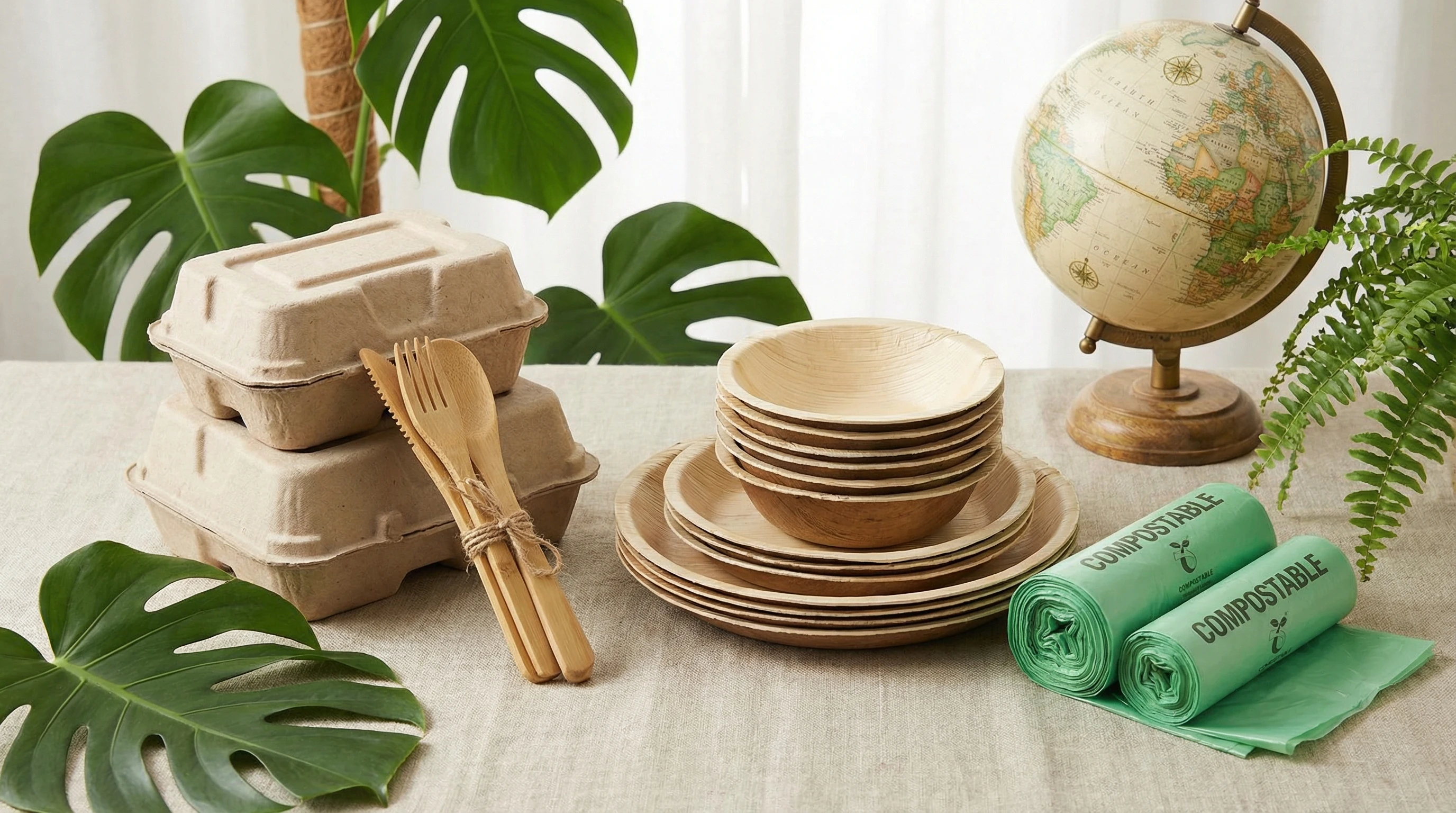
- Food Industry: Compostable plates, bowls, and packaging make events and restaurants more sustainable with less landfill waste.
- Retail & Shipping: Biodegradable packaging peanuts and mailing pouches reduce clutter after unboxing and keep shipping greener.
- Agriculture: Mulch films that break down after use save on plastic cleanup and maintenance, cutting costs for farmers.
- Personal Care: Toothbrushes, cotton swabs, and wet wipes now come in compostable versions, providing more ecofriendly swaps for daily routines. Even clothing brands are experimenting with compostable hangers and garment bags to minimize waste.
Realworld examples continue to inspire me. I remember seeing how a simple switch to compostable takeout containers helped a local food truck cut down on waste. Schools and offices are joining in, holding education events about composting and creating programs to collect biodegradable lunch packaging. Stories like these make the potential impact of biodegradable products feel more meaningful to me and encourage me to seek out new opportunities for greener choices every day.
Meanwhile, companies are looking at circularity—designing products and packaging that not only biodegrade but also contribute nutrients back to the soil. This approach promises a closedloop system with benefits for farmers, communities, and the planet alike.
Frequently Asked Questions
Below are a few common questions I’ve encountered or asked myself when considering biodegradable products:
Question: How do I know if something labeled biodegradable will break down at home?
Answer: Most of the time, packaging will specify if a product is suitable for home composting. If it requires industrial composting, it’s unlikely to break down quickly in your backyard bin. Checking official certifications and asking local composters helps clear up confusion. Certain symbols or QR codes can even connect you directly to information about proper disposal.
Question: Are biodegradable plastics always better than regular plastics?
Answer: Biodegradable plastics are better for the environment when disposed of properly, but if they end up in landfills or waterways, they may not break down any faster than regular plastics. Responsible disposal and community composting are really important for maximizing their benefits. Sometimes, reusable products like metal or glass can be an even greener choice, so it’s worth weighing all options for every need.
Question: Where can I buy genuine biodegradable products?
Answer: Many grocery and specialty stores now carry certified biodegradable items. Looking for products with thirdparty certifications and reading reviews helps me avoid products that might not deliver as promised. Online marketplaces also let me compare a wide range of options easily, but I always read the fine print to confirm authenticity.
The Road Ahead for Biodegradable Products
The future of biodegradable products looks bright as more individuals, businesses, and communities take steps to reduce waste and choose responsible materials. From innovative plantbased plastics to expanded composting programs, the next few years hold real potential for more practical, ecofriendly choices in daily life. I’m hopeful for even greater progress as more people share ideas and support companies that prioritize the environment. Making small changes, taking time to check labels, talking about successful swaps, and staying informed all add up to positive momentum for the next generation of biodegradable products.
With the world focusing more on sustainability, being part of this movement feels rewarding. Whether through trying new products, supporting local composting projects, or helping friends get involved, every action builds toward a healthier planet. In the end, embracing biodegradable alternatives isn’t just a personal choice — it’s a collective effort that can spark real change for generations to come.
Free energy explorer GPT
Explores actual free energy inventions and discoveries.
Make your own inventive corner
Ready to start your own website and share your passion with the world? Join me and unlock step-by-step training to build your online presence just like I did! Use my links if you want me as your coach!