
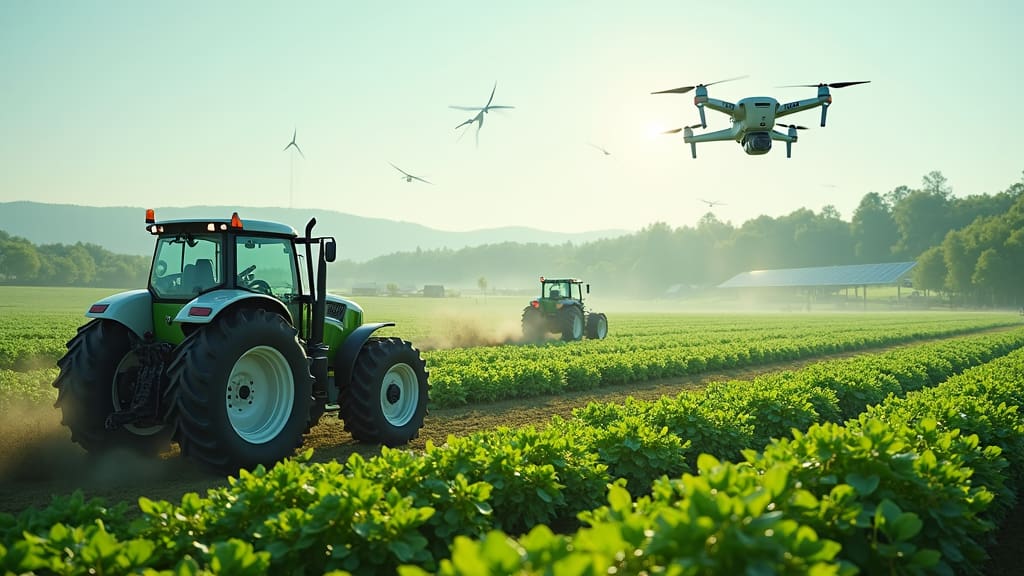
Revolutionary Agricultural Technologies
Revolutionary agricultural technologies are changing how I approach farming, making food production more efficient, sustainable, and responsive to real-world challenges. From advanced machinery to smart data-driven solutions, the way I interact with my land and crops is mixing it up fast. For anyone involved in agriculture—whether managing a family farm, working as an agribusiness professional, or just keeping up with food trends—it’s helpful to understand how these emerging tools work and what benefits they can offer.
The New Essentials? Technologies Transforming Today’s Farms
Advanced agricultural technologies are showing up in more farm fields and even in small urban gardens every year. I see devices connected to the internet, tractors that steer themselves, and sensor equipped irrigation systems working together in a way that looked like science fiction just a decade ago. The global market for agricultural technology, sometimes called “AgTech,” has grown as more producers look for ways to improve yields, reduce waste, and meet unpredictable weather and labor shortages head on.
Originally, many of these innovations aimed to boost productivity or replace manual labor. Now, the switch is towards sustainability and resilience. By adopting tools like remote sensors and automated equipment, I can lower costs, use fewer resources, and make sure my farm is ready for unexpected events or climate changes.
Understand the Core Technologies in Modern Agriculture
When I look at the latest trends, several key developments stand out. These are not just high tech gadgets but real-world solutions grounded in practical outcomes.
- Precision Agriculture: Uses GPS, mapping software, and onfield sensors to manage crops with almost pinpoint accuracy.
- Automated Machinery: Selfdriving tractors and robotic harvesters help me do more work with fewer people, especially useful during labor shortages.
- Smart Irrigation Systems: Automatically adjust water delivery based on real time data to save water and energy.
- Drone Technology: Provides aerial images for crop monitoring, spraying, and even planting seeds in hard to reach locations.
- Biotechnology: Development of crops and livestock with stepped up traits, such as disease resistance or improved nutrition.
- Renewable Energy Solutions: Solar panels and wind turbines are powering more farm equipment, lowering long term energy costs and environmental impact.
- Farm Management Software: Cloud based platforms help me track harvests, sales, expenses, and even predict yields using data analytics.
What to Know Before you Adopt New Farm Technologies
Jumping into agricultural technology can feel a bit overwhelming at first. While many tools promise increased productivity, it’s really important for me to understand which ones fit my specific type of farm or operation. Here are the main things I consider before investing in new equipment or platforms:
- Choose Scalable Solutions: Start small by testing a technology on one section of the farm. If results are good, it’s easier to expand it across more acreage.
- Understand Upfront and Ongoing Costs: Break down not just the purchase price, but also what it takes to maintain and update the technology over time.
- Size Up Training Needs: If something is too complex, staff may struggle to use it. I focus on userfriendly options and invest in training where needed.
- Check Compatibility: New tech should work seamlessly with my existing machinery, software, and workflows.
- Data Security: With more farm data moving online, I take time to check how information is stored and kept secure.
Common Hurdles and Practical Fixes when you Adopt AgTech
Every new technology brings both opportunities and growing pains. Some of the most common challenges I’ve come across, and how I deal with them, include:
- High Initial Costs: Technology can require major investment upfront. Researching available grants or government programs can ease this burden. Leasing options are also out there.
- Connectivity Issues: Some rural areas have spotty internet access. I look for devices with offline modes or choose cloud platforms that sync data once a signal returns.
- Technical Support: Reliable customer support makes a huge difference. I always check what kind of help is offered before making a final decision.
- Resistance to Change: Adopting new tech means switching up old habits. I make changes gradually and explain the benefits to everyone involved to get buyin.
Manage Data for Informed Decisions
Modern sensors and drones collect massive amounts of data. Organizing this info turns it into real value. I rely on farm management software to visualize trends, like which parts of a field are underperforming or which crops need extra fertilizer. This insight supports better planning and can even help negotiate better prices with buyers.
Maintain Equipment and Updates
Like any machinery, advanced farm equipment needs consistent upkeep. Scheduled maintenance checks and timely software updates keep things running smoothly. Most companies offer online resources or technician visits to help when something breaks down or doesn’t work as expected.
Make the Most of Smart Tools with Practical Examples from the Field
Putting new technologies to use often starts with one or two changes in regular routines. Here’s how I’ve used them to get better results and save resources:
- Spotapplication of Fertilizer: Instead of spreading fertilizer everywhere, I use sensors to identify where nutrients are actually needed. This has helped me save money and reduce environmental runoff.
- Drone Scouting: During the growing season, drones give me a quick overview of crop health. With nearinfrared imagery, I spot disease or pest problems early, sometimes before they’re visible from the ground.
- Automated Greenhouses: Climate controls in my greenhouse now adjust temperature, humidity, and lighting automatically based on plant needs, which means more consistent harvests.
- Livestock Monitoring: Wearable trackers for cattle help me spot illnesses, track grazing patterns, and even prevent theft.
Things to Think About Before you make a Purchase
I often think on a few guiding questions before choosing a new tool or tech platform for my farm. It helps avoid buyer’s regret and ensures I put my budget toward things that really matter.
- What problem does this solve on my farm? Technology should always address a real need, such as saving labor, improving yields, or reducing waste.
- Is there a learning curve? Some products need specialized skills or training. Whenever possible, I go for tools that fit easily into daily routines.
- Can this help me respond to changing regulations? With new food safety and environmental requirements, I look for solutions that make compliance simpler.
- What support does the vendor provide? Reliable updates and fast responses when issues arise give me peace of mind.
Water Management in Unpredictable Climates
Droughts and floods have always been part of farming. Today, smart irrigation systems and weather prediction tools help me act before disaster strikes. When rainfall is scarce, soil moisture sensors let me know exactly when and where to irrigate, saving water and cutting expenses. During periods of heavy rain, drainage monitoring allows me to adjust planting schedules and avoid crop losses.
Build Resilience Through Data
By tracking years of weather, yield, and soil fertility data, I can spot long term trends. This evidence helps with everything from crop rotation plans to convincing banks or investors to support next season’s expansion.
Frequently Asked Questions? What Other Farmers and AgriProfessionals Want to Know
Below are some of the most common questions people ask when curious about bringing advanced tech into their agriculture routine:
Question: How can I get started with precision agriculture if I have a small farm?
Answer: Most equipment makers offer entry level sensor kits and mobile apps for smaller operations. Start simple, track a few key metrics like soil moisture or pest levels, and scale up as you see real results.
Question: Is it risky to rely too much on automated equipment?
Answer: Any technology can break down; I always maintain manual backups for critical farm processes and keep staff trained on both old and new systems.
Question: Are these technologies affordable for independent farmers?
Answer: Prices are coming down, but costs can still be high. Grants, cooperatives, and equipment leasing are all good options to explore. Sharing tools between neighboring farms can also cut costs.
Real-World Impact? How Innovative AgTech Changes Everyday Farming
Seeing how these innovations play out day-to-day is exciting, both on my own land and in conversations with other producers. A local strawberry grower recently switched to an appbased irrigation control system and saw water use drop by 15 percent, with bigger and healthier fruit as a bonus. A neighbor using drones for weed monitoring was able to cut back on chemicals, saving money and reducing environmental impact. These small wins add up, making my farm more productive, more resilient, and better able to ride out uncertainty.
Staying up to date with the latest agricultural technology helps me grow food smarter, not just harder. Every tool I add, no matter how simple or complex, brings new possibilities for the seasons ahead. I stay open to change and keep learning so my farm can meet whatever the future brings. By sharing knowledge and joining forces with other growers, we can shape an agriculture industry that’s both efficient and sustainable for the long haul.
Thank you for reading, shares and comments!