
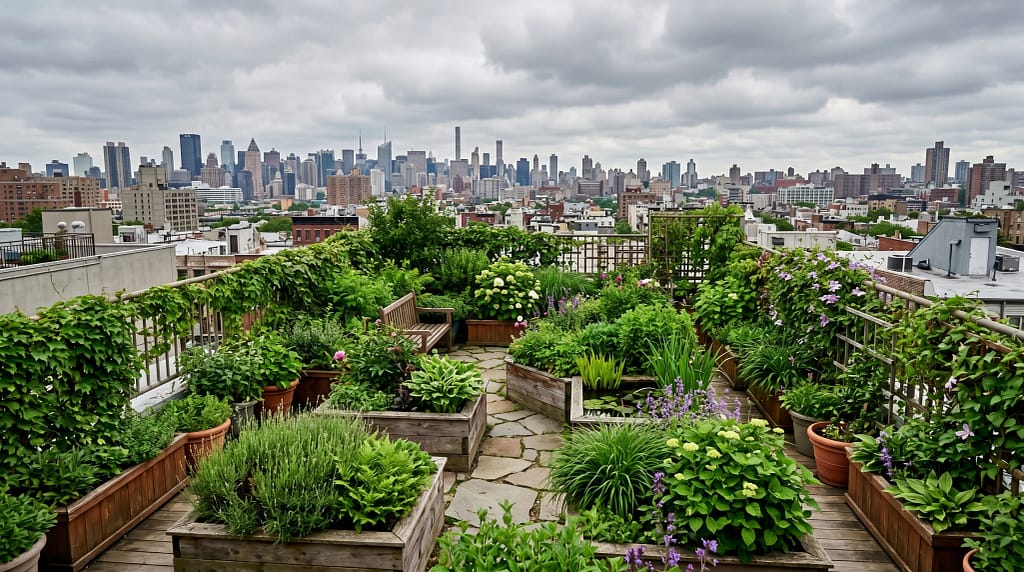
Rooftop Gardens Are Transforming Cityscapes And Ourselves
Rooftop gardens bring a sense of calm and eye-catching beauty to dense city environments. Adding greenery above street level can make cities feel more alive and provide personal rewards for those who build them, even when space is limited. Over time, I’ve noticed how these urban gardens change communities, buildings, and even how I relate to my own living space. Here’s what I’ve learned about rooftop gardens, how they work, and why they’ve become popular in cities everywhere.
Why Rooftop Gardens Are Becoming More Popular in Cities
In many crowded cities, finding room for traditional gardens isn’t easy. Rooftop gardens step in as a solution, turning unused roofs into green spaces for people and wildlife. Planting above street level helps fight the heat trapped by concrete buildings, bringing in much-needed nature and giving a boost to urban life.
This popular trend is supported by government programs in cities such as Toronto and Singapore. These cities offer incentives like grants or relax building restrictions when developers add green roofs. According to the Environmental Protection Agency, green roofs can even help reduce stormwater runoff, lowering the risk of city flooding (EPA).
For many, installing a rooftop garden is less about following what’s trendy and more about making practical improvements to their living space. Lowering heating bills, growing fresh food, and attracting birds and pollinators are just a few reasons people choose to make the most of their roof space.
What Makes a Rooftop Garden Work
Setting up a rooftop garden can feel like a big project at first. With a good plan and practical setup, it becomes much easier. Here are some key parts to think about when starting:
- Structure and Safety: Before planting, checking the weight limit and weather resistance of the roof is really important. Most roofs can handle lightweight containers, but adding extra soil or water features usually means consulting a structural engineer first.
- Drainage and Waterproofing: Rooftop gardens need extra care to avoid leaks. Adding protective barriers and drainage layers helps keep water from pooling and damaging the roof underneath.
- Lighter Soil Systems: Most rooftop gardens use lighter soil blends that support plant growth but don’t strain the building below.
- Plant Choice: Certain herbs, grasses, small vegetables, and even compact fruit trees handle wind and bright sunlight well. Native species work best in most cases because they attract birds and pollinators common to the area and are less likely to need extra care.
I’ve found that starting with easy plants and focusing on drainage makes the process less overwhelming. Some gardeners collect rainwater on the roof, which helps reduce water costs and keeps plants happy even during dry spells.
Additionally, it can be helpful to look into lightweight alternatives for garden features, such as resin furniture or modular planters. These add style and comfort without putting excess strain on the structure. Some gardeners also create small composting setups or install solar-powered lights to help make their green space feel inviting day and night.
Steps for Creating Your Own Rooftop Garden
Turning an empty roof into a personal oasis takes time, but breaking up the work makes it much easier. My own experience has shown me these steps help make the project go smoothly:
- Check Laws and Agreements: Rules about rooftop gardens vary between buildings. Some apartment blocks have safety rules or require professional inspections. Asking neighbors or building managers early avoids problems later on.
- Test the Roof’s Strength: Most older roofs can handle a lightweight garden, but heavy planters, walkways, or extra structures add up. Getting a pro to check the roof can save time and money.
- Plan the Space: Drawing a simple diagram of the roof helps with picking the right spots for planters. Grouping plants together but leaving space for walking paths keeps the area from feeling too crowded.
- Pick Containers and Soil: Lightweight containers made of plastic, resin, or wood help keep the load light. Special rooftop growing mixes hold water without weighing down the roof.
- Install Waterproofing and Drainage: Adding layers under the soil keeps roofs dry and increases the lifespan of the garden. Most professionals use rubber or plastic sheets. Drainage mats or gravel beneath the planters allow water to drain off safely.
- Pick Your Plants: Hardy options such as succulents, thyme, lavender, kale, and dwarf fruit trees thrive in containers. Testing a few at first helps see what works in the local climate.
- Add Watering Solutions: Simple drip irrigation or reclaimed rainwater are two practical ways to keep plants healthy without waste.
Following this approach helped me avoid many common issues and kept costs predictable.
Everyday Rewards from Rooftop Gardening
Every time I visit a rooftop garden, especially one I’ve planted myself, I notice a big difference in air quality, noise, and my own sense of relaxation. These everyday benefits keep me excited to keep up the routine work of watering, weeding, and harvesting. Some specific perks I notice include:
- Natural Cooling: On summer days, the rooftop feels much cooler. The garden soaks up heat and shades the roof, lowering energy bills for the whole building.
- Homegrown Vegetables: With herbs and compact veggies, I can skip store bought produce. Picking tomatoes or basil right at home feels rewarding.
- Reducing City Noise: Thick greenery softens street sounds, making the rooftop a relaxing spot to unwind or read a book.
- Better Air: Even a small garden traps dust and helps filter the air. Plants absorb carbon dioxide, helping keep things fresh.
- Attracting Wildlife: Birds, butterflies, and even bees regularly visit my rooftop space, adding a fresh flash of nature right in the middle of the city.
These regular improvements also make city living feel friendlier and healthier, benefiting me and my neighbors at the same time. Some residents also use rooftop gardens for small gatherings, stargazing, or quiet personal time, turning once-unused roofs into favorite spaces.
Common Rooftop Garden Challenges and Solutions
No project is perfect, and rooftop gardening comes with its own hurdles. Drawing on my own trial and error, here’s how I’ve learned to handle these common problems:
- Wind Exposure: High winds can break delicate plants. To fix this, I use heavier planters and arrange tall plants behind low walls or railings for shelter. Sometimes adding a lattice filled with vines can help block and soften gusts.
- Water Drainage and Leaks: Poor drainage sometimes makes garden areas soggy or causes leaks below. Regular checks and good planning for water runoff are important. Adding extra gravel helps water drain quickly and safely.
- Pest Control: While rooftops have fewer pests than groundlevel gardens, bugs or birds can still appear. Lightweight nets or gentle, natural repellents keep them in check without harming the local ecosystem.
- Limited Sunlight or Shade: Some rooftops are shaded by taller buildings. Planting shade loving greens like lettuce, mint, or even ferns helps make the most of dimmer spots.
Wind Exposure
Wind is probably the biggest garden challenge up high. I found that trellises, heavier plant pots, and windbreaks help keep everything anchored and growing strong. Sometimes just moving threatened plants to sheltered corners does the trick as well.
Drainage and Leaks
Water damage can be expensive. Protective liners and careful placement of planters kept my maintenance costs much lower over time. Checking the roof regularly for weak spots helps avoid costly repairs.
Pest and Wildlife Control
Using natural pest deterrents, such as crushed eggshells or mild sprays, keeps the garden healthy and chemical free. Occasional visits from birds are often a good thing, since they help control bugs that might otherwise damage plants.
Smart Tips for Getting More from Your Rooftop Garden
As I’ve added new plants and refined my setup, a few practical lessons have stood out. Applying these tips has helped my garden thrive among all the surrounding concrete and glass:
Mix Different Plant Heights: Combining taller trees or shrubs at the back with low growing herbs and groundcovers up front creates a layered look and maximizes available sunlight.
Mulch and Water Traps: Mulching keeps soil moist and cuts back on watering, especially in summer’s heat.
Companion Planting: Planting certain varieties together supports healthy growth and keeps pests away. For instance, growing basil near tomatoes helps them both thrive.
Regular Trimming and Harvesting: Removing dead leaves and picking veggies or flowers often keeps plants healthy and boosts yields.
Cozy Seating: Placing a small bench or comfy chair makes the rooftop a go to hangout, not just a part time project. It encourages enjoying the green oasis you’ve built.
Frequently Asked Questions
These are some questions I am often asked by people starting or considering a rooftop garden:
Question: Can I have a rooftop garden in any city?
Answer: Most cities allow rooftop gardens, but building rules can vary. Checking local codes and your building’s guidelines helps avoid problems before planting.
Question: What plants do best on rooftops?
Answer: Hardy plants like succulents, herbs, peppers, tomatoes, strawberries, and dwarf fruit trees grow well in most containers.
Question: Do rooftop gardens need lots of maintenance?
Answer: Simple rooftop gardens only need basic care, such as watering, pruning, and checking for pests. Container gardens usually take less time than larger yards once set up.
Rooftop Gardens Are Changing City Living
Rooftop gardening isn’t just about growing a few flowers or snacks. Every time I tend my own rooftop plants, I notice a shift in my day; there’s less stress, more fresh air, and a better connection to the city around me. Green roofs are switching up both city buildings and the people who care for them, one plant at a time. Whether it’s the simple joy of seeing new growth or the comfort of relaxing among greenery high above the streets, these spaces truly give a boost to urban life.
Trying out rooftop gardening is worth the effort for anyone looking to turn a patch of concrete into something alive, useful, and enjoyable every day. Over time, both your building and your own wellbeing can get a real lift from a bit of greenery above the city hustle.
Curiosity Champion GPT
I’m Curiosity Champion, your trusted source for diverse knowledge inquiries, always prioritizing privacy and respecting copyrights.