
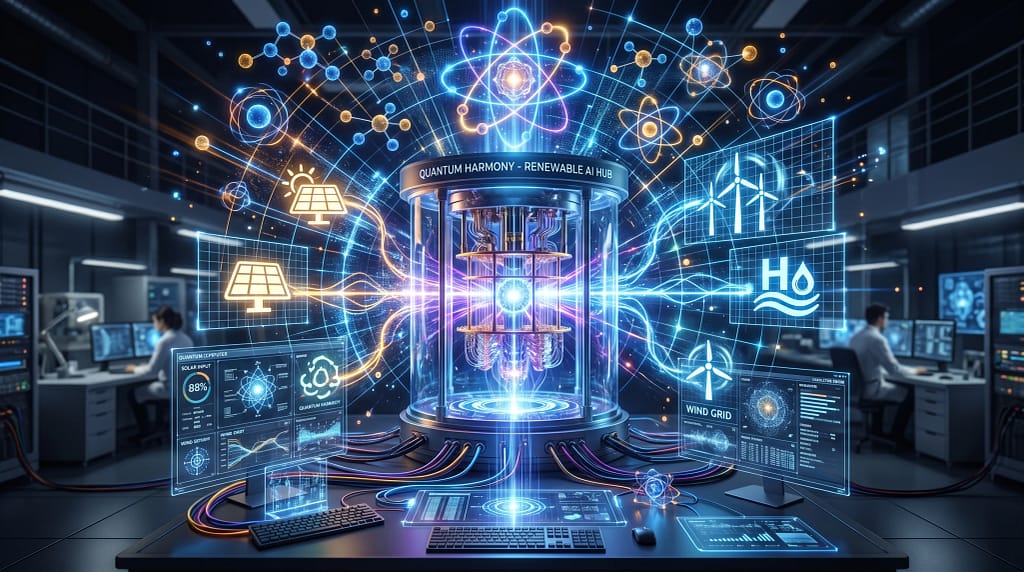
The Role Of Quantum Computing In Solving Global Energy Challenges
Quantum computing is quickly grabbing attention for its potential to solve some of the world’s most stubborn problems. With global energy consumption on the rise and sustainability a major concern, quantum computing’s emerging place in tackling energy challenges is especially intriguing. Here, I’ll check out real possibilities quantum computers offer for transforming how we produce, store, and use energy—and why this change will matter for everyone.
Why Quantum Computing Matters for Energy Solutions
The ways we power our homes, cities, and industries leave a huge, lasting mark on the planet. Regular computers process energy systems using models and forecasts, but these complex networks are only getting trickier to manage. As I’ve seen, quantum computers pull off a neat trick—they process information using the peculiar rules of the quantum world. This approach lets quantum computers handle problems that plain old computers just can’t crack, like simulating what happens at the atomic level in new battery materials or finding more efficient approaches to harvesting renewable energy.
The world is waking up to this potential. Scientists and engineers are tracking down quantum algorithms to optimize everything from grid management and climate prediction to step up material discovery. The International Energy Agency points out that smarter computing is crucial to hitting global sustainability targets (IEA). Quantum computers might help push these breakthroughs along, offering solutions that regular methods can’t reach.
How Quantum Computing Works in Simple Terms
To really get what makes quantum computing unique, let’s break down a few basics. Standard computers use bits, which flip between on or off. But quantum computers use qubits—these can be on, off, or in a mix of both at the same time. That power lets them handle a mountain of data all at once. It isn’t just about being faster; it’s about being able to work through calculations a classic computer might spend centuries crunching.
Apply this idea to energy research, and things get even more interesting. Whether it’s zeroing in on the best solar panel design or figuring out the smartest way to shuffle electricity across a bustling city, quantum computers can dig into way more possibilities at once and find answers traditional supercomputers just can’t reach.
- Qubit: The backbone of quantum computing. Holds information flexibly, opening up complex calculations.
- Quantum Algorithm: The recipe that tells the quantum computer how to tackle a certain problem.
- Quantum Simulation: Using quantum computers to imitate the behavior of molecules, materials, or physical processes. Very valuable in energy testing and research.
Areas Where Quantum Computing Gives a Boost to Energy Research
Folding quantum computing into the energy field means looking at old problems in totally new ways. Here are some of the standout applications I’ve seen getting attention from both scientists and forward-thinking companies:
- Battery and Material Discovery: Quantum computers simulate new molecules for batteries that last longer and charge up more quickly. That’s a core step up for electric vehicles and grid-level renewable energy storage.
- Grid Optimization: Today, power grids have to juggle unpredictable supply from wind and solar. Quantum computing can crack the best ways to pass power around, respond to blackouts, and deal with peak demand.
- Solar Cell Development: Quantum simulations help map out how sunlight interacts with new materials, giving a boost to designing next-level cool solar panels that deliver higher efficiency.
- Climate and Weather Modeling: Energy companies rely on solid weather forecasts to plan renewable energy output. Quantum computers have an edge when it comes to crunching the numbers behind complex, interconnected weather and climate systems.
- Supply Chain Efficiency: Energy gets lost at each step from production to your outlet. Quantum-powered algorithms help trim waste by plotting out the best routes and schedules for moving essentials like electricity and fuel around.
Switching things up in these areas could slash costs for renewables, lower pollution, and make reliable power accessible even in developing regions across the globe.
Challenges to Keep in Mind
The excitement about quantum computing is real, but some tough obstacles are still standing in the way before we can use it everywhere. I’ve noticed the biggest headaches involve keeping qubits stable, scaling up enough to tackle truly complex challenges, and plugging quantum computers into our current energy systems. These are the main issues:
- Stability and Error Rates: Quantum machines are fussy—they don’t like changes in temperature or stray magnetic fields. That can lead to mistakes. Engineers are giving these problems a once-over, experimenting with new ways to keep calculations reliable.
- Integration: Most energy firms use standard digital gear. Linking up quantum computers with what’s already in place won’t be easy and will definitely need new software and careful thinking.
- Cost: Quantum computers often need ultra-cold, special environments to work. Right now, that drives up their price tag. As tech matures, we’ll hopefully see more cost-friendly options.
- Lack of Standard Algorithms: Only a handful of quantum algorithms are really field-tested. Researchers are working on expanding the toolkit to cover real-world energy puzzles.
Leaders in energy will need to keep an eye out for progress and team up with quantum specialists so we don’t lose momentum. Team efforts between tech giants and energy companies help pass on skills and move results out of the lab and into the real world.
Focusing on Quantum Simulation for Batteries
Every engineer I’ve spoken with agrees: better batteries spell cleaner transportation and easier adoption of solar or wind power. With quantum simulation, it’s possible to track the movement of atoms and electrons in battery materials, often predicting outcomes without running piles of expensive experiments. Major players like IBM and DWave have put out examples of quantum computers shaping totally new battery designs (IBM Research), highlighting a pathway to higher capacity and faster-charging solutions.
Boosting Grid Reliability and Management
Keeping the lights on in a city depends on precision. With more rooftop solar and shifting energy use patterns, grid management is more intimidating than ever. Quantum computing can explore millions of options, helping utilities make the best use of local resources, cut down on waste, and dodge outages. I’ve checked out research showing how this approach could trim carbon emissions and head off major blackouts, especially when juggling wind and solar inputs.
Practical Next Steps for Energy and Tech Lovers
Quantum computing is fledgling tech, but now is the best time to get a head start. Many universities, energy companies, and tech leaders are joining forces on pilot programs, so you can get involved even as a newcomer. Here’s how to jump in or get ready for these looming advances:
- Stay Curious: Tons of free courses and open-access research from heavy hitters like Google, IBM, and top universities can help you build a foundation in quantum tech.
- Look for Pilot Programs: As energy companies set up quantum test runs—for battery breakthroughs or grid optimization—pros can join projects working at the edge of what’s possible.
- Focus on Problem-Solving: If you’re responsible for innovation or wringing out efficiency, staying open to new approaches to computation is a winning strategy.
As the sector grows, hands-on experience and following big breakthroughs will put both energy and tech professionals ahead of game-changing shifts in tomorrow’s workplaces.
Frequently Asked Questions
Here are answers to some of the top questions I hear about how quantum computing could shake up the energy industry:
Question: How soon will quantum computing help with energy issues?
Answer: Some small-scale pilots are happening now—a few are already looking at battery research and solar development. Large-scale, daily use is a few years out, as the technology gets more reliable and easier to access.
Question: Will quantum computers replace traditional computers for energy work?
Answer: Not likely. Quantum computers excel at certain complex tasks, but regular computers still handle most daily routines. I expect quantum to supercharge areas like research and optimization, while traditional systems handle the basics.
Question: Can students or newcomers get involved in quantum computing for energy?
Answer: Absolutely. Free resources and more university programs are popping up, making it easier to break in. Strong math, science, and engineering backgrounds help, but if you’re curious, you’ll find a way to join.
Real Energy Projects Using Quantum Computing
I’ve tracked down several real partnerships and pilots bringing quantum ideas out of theory and into the energy world:
- IBM and Daimler have teamed up to work on quantum-based battery simulations, aiming for longer-lasting, safer batteries for electric vehicles.
- Startup Zapata Computing is using quantum algorithms to analyze chemical reactions, possibly fast-tracking development of more efficient solar panels (Zapata Computing).
- Irish scientists have explored quantum methods for balancing power generation on the national grid—making it easier to mix in more wind and solar without losing reliability.
These examples are just the beginning, but they hint at a future where quantum computers boost real, sustainable energy solutions in every corner of the world.
I’m hopeful that we’ll see quantum computing move from research labs to real-world use within our lifetimes. As this adventure unfolds, anyone willing to learn and jump in will be on the front row for breakthroughs in global energy.
Shop Tips
Global Energy Challenges on Amazon
Free energy explorer GPT
Explores actual free energy inventions and discoveries.