
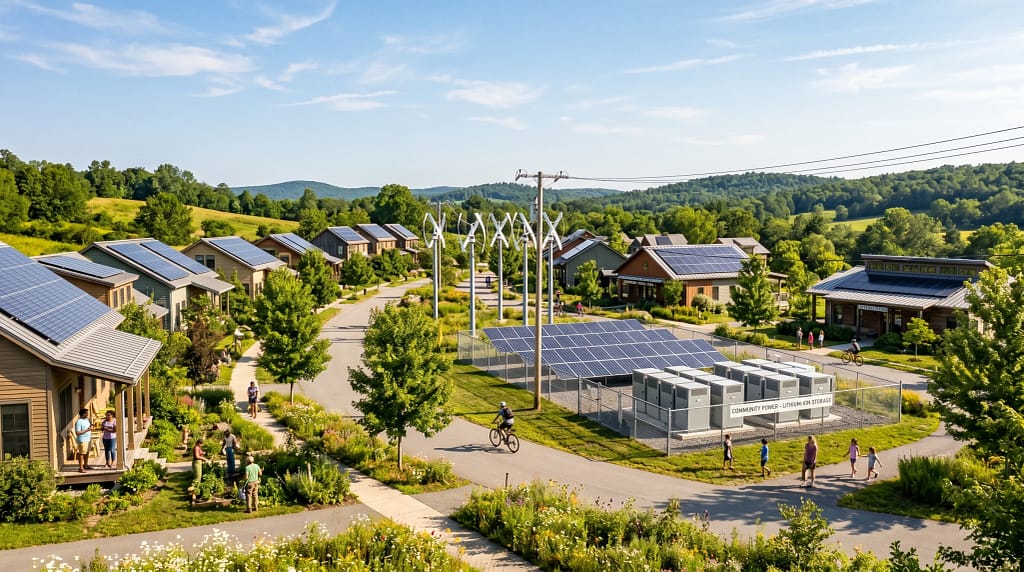
Decentralized Energy & The Potential Of Microgrids For Local Communities
Traditional, centralized grids aren’t always flexible or reliable for everyone. In some places, outages are common and the price of power can be unpredictable. Microgrids step in as a smart alternative, offering a mix of clean energy, independence, and improved reliability. This approach isn’t just about having a backup plan; it’s about shaping a future where energy works better for real people and their unique needs.
Here’s a look at decentralized energy, how microgrids work, and why they’re getting attention on the local level. I’ll also cover their practical benefits, challenges that come up, and what it takes to get one started. Plus, I’ll dig into what the future might look like as more places get into the act of producing their own power, bringing control and reliability right into their neighborhoods.
1. What Is a Microgrid and How Does It Work?
A microgrid is a local energy system that can operate independently or alongside the main electric grid. It pulls together different power sources (like solar panels, wind turbines, batteries, or even small generators) and delivers electricity to homes, businesses, or critical facilities in a specific area.
The key difference between a microgrid and the main grid is flexibility. Microgrids can disconnect from the central grid during outages and keep running on their own, a process called “islanding.” This feature is super useful in emergencies or when storms knock out power lines.
Microgrid Basics
- Power Generation: Sources might include rooftop solar, bioenergy, or smallscale wind.
- Storage: Batteries store extra energy for times when the sun isn’t shining or the wind isn’t blowing.
- Control System: Software manages the balance between supply and demand, switching between sources as needed.
With this setup, energy is shared right where it’s made, reducing waste from longdistance transmission. This is a major improvement over the oldschool, topdown grid model. It allows communities to keep energy costs steady and cut down on unnecessary outages, especially when paired with smart controls.
2. Why Local Communities Are Turning to Decentralized Energy
People want reliable, affordable, and clean power. In both rural and urban areas, communities have unique energy needs; a hospital might need uninterrupted service, while a remote village might be too far from major power lines.
Microgrids are really popular in places where storms, wildfires, or natural disasters are common. They help keep essential services like water pumps or emergency shelters powered up, even when the main grid is down. I’ve seen small towns pool resources to build microgrids and regain confidence in their energy supply. In some regions, microgrids have even enabled community centers and schools to serve as safe havens during power outages. For communities that value selfreliance and sustainability, switching up their energy supply this way makes a lot of sense.
Drivers for Decentralized Energy:
- Desire for greener, renewable energy
- Saving money longterm
- Dealing with unreliable central grids
- Protection from outages and extreme weather
- Supporting local jobs and businesses
Communities also appreciate that decentralized energy can boost local investment. Dollars that once flowed to distant utilities can stay nearby, helping pay for jobs and infrastructure. This can lead to a cycle of local growth and resilience that benefits everyone in the neighborhood.
3. Cool Features That Make Microgrids Worth Considering
Microgrids offer practical features for communities, including:
- Energy Independence: Local production means less reliance on big, external grids.
- Custom Solutions: Communities can pick what mix of renewable or backup power works best for them.
- BuiltIn Resilience: Microgrids can keep essentials running during storms, brownouts, or cyber attacks.
- Environmental Benefits: Renewables like solar and wind help reduce carbon emissions and air pollution.
- Economic Boost: Projects often create jobs for local electricians, builders, and maintenance teams.
Residents and city leaders like that microgrids can be tailored to specific needs, whether powering a university campus, supporting a neighborhood, or keeping a remote village running smoothly. It puts decisionmaking power in the hands of locals, letting them pick solutions that make sense for their unique situation and future plans.
Another plus is flexibility. Microgrids can respond quickly to new technologies and changing power demands. They can add more solar, batteries, or other sources as the community grows. That ability to grow and change over time adds to their appeal.
4. RealLife Examples of Microgrids in Action
I’ve come across some microgrid projects that are already making a big impact:
- San Diego, California: Several neighborhoods use microgrids to stay powered during wildfires and heat waves. Local schools and fire stations can operate independently even when the regional grid goes down.
- Brooklyn, New York: Residents use a mix of rooftop solar, batteries, and blockchain tech to share energy and sell surplus power to neighbors. It’s a fresh spin on peer to peer energy trading, letting people connect directly and maximize what they produce.
- Remote villages in Alaska: With harsh winters and limited grid access, microgrids powered by wind and batteries keep homes and community centers warm all year.
These projects show what’s possible when communities decide to set up their own energy future, often with strong local leadership and innovative thinking. In each case, microgrids are reducing outages, cutting costs, and helping communities become more selfsufficient. As more places stumble upon these success stories, confidence grows in the approach.
5. Challenges and What to Watch Out For
Not every place can launch a microgrid overnight. There are a few hurdles to keep in mind:
- Initial costs: Setup can be pricey, especially when adding batteries or backup generators.
- Regulatory rules: In some areas, laws written for the old power system don’t support new, local energy projects.
- Technical knowhow: Building and running a microgrid safely takes skilled workers and good planning.
- Financing options: Not everyone has easy access to grants, loans, or community investment funds.
Even with these challenges, partnerships with local governments, energy experts, and nonprofits are helping more people tackle the tough parts of microgrid projects. New financing models, such as energy cooperatives or shared ownership, make it easier for small communities to get on board. Plus, as microgrids spread, experience grows and technical hurdles become less daunting.
6. Steps for Getting a Microgrid Started in Your Community
Setting up a microgrid is a team effort. Here’s a basic game plan I see working in a lot of places:
- Bring together stakeholders: neighbors, local officials, schools, or businesses. Open meetings help everyone get their questions answered and build excitement.
- Figure out energy needs and what problems a microgrid could solve—for example, backup for a hospital or powering remote homes.
- Explore funding, including government incentives, grants, or community fundraising. Don’t forget to check with regional and federal programs, as microgrids are a hot topic for policymakers.
- Choose energy sources such as solar panels, wind turbines, small hydro, or backup generators. Look at what makes the most sense locally based on weather and resources.
- Partner with experienced builders and technology providers. Their advice and knowhow can save time and prevent costly mistakes.
- Make a maintenance plan to keep the system running smoothly yearround. This includes training locals for small repairs and scheduling professional checkups regularly.
It helps to talk with communities that already have microgrids in place and learn from their successes and pitfalls. Learning from their realworld experiences can save time and prevent repeating the same mistakes. Online forums, workshops, and conferences offer good places to start connecting.
7. The Future of Decentralized Energy and Microgrids
Interest in decentralized energy and microgrids is picking up all over the world. As technology improves, costs are dropping and laws are catching up. More communities can now design and manage their own electric systems, reducing outages, saving money, and using greener energy sources. The shift is making it possible for everyone, not just big cities, to have reliable power.
Microgrids are part of a bigger movement where people have a say in their power—literally and figuratively. Whether in a big city or a tiny village, these local projects are a way to build resilience, save money, and protect the environment. Future developments may include smarter controls, better energy storage, and easier connections between communities, creating a patchwork of reliable, clean power everywhere.
If you’re curious about microgrids or decentralized power, there’s no shortage of resources and experts out there. Connecting with others who are making the leap can give your community a real head start on a cleaner, more reliable energy future. Check out organizations, dig into case studies, or reach out to local officials to get the ball rolling; you might be surprised how possible it is to make the switch in your own backyard.
Shop Tip
Global Energy Challenges on Amazon
Free energy explorer GPT
Explores actual free energy inventions and discoveries.