
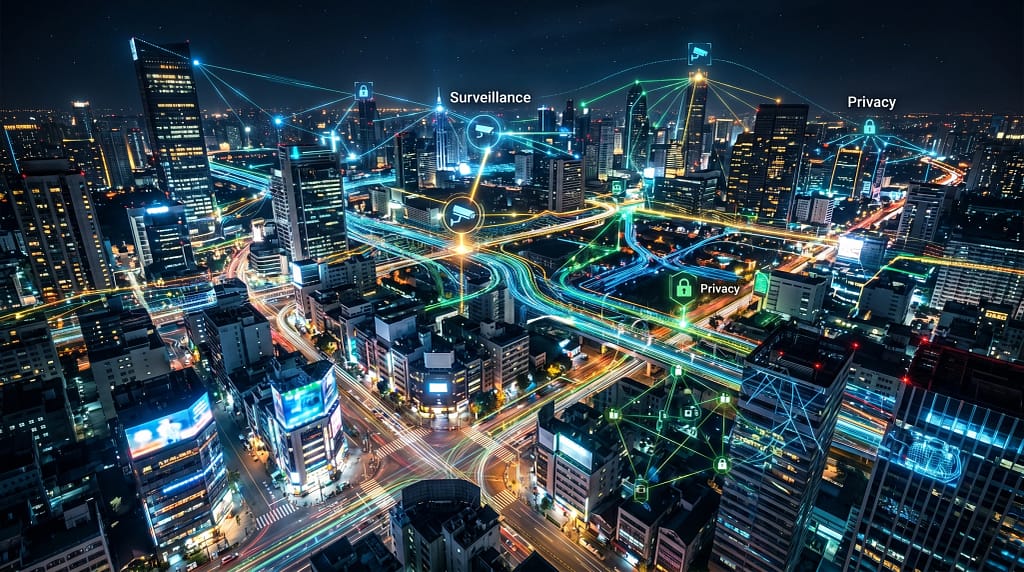
Digital Ethics & The Philosophical Debate On Privacy & Surveillance
Digital ethics is a topic that many people are thinking about as technology grows quickly and privacy concerns keep rising. Every time I use my phone or go online, I know my actions leave digital traces that can be tracked, collected, and analyzed. For me, the philosophical debate about privacy and surveillance isn’t just a headline; it’s a real part of daily life. I want to explain what’s at stake in this debate, share how I think about the balance between personal freedom and security, and walk you through why digital ethics matters for everyone who uses technology today.
The Meaning of Digital Ethics, Privacy, and Surveillance
Digital ethics covers the moral questions that come up when people use digital technologies. This area deals with questions about what is right and wrong in the digital world, especially when it comes to personal information and how that information is used. I find digital ethics really important because even simple activities, like buying things online or sharing photos, can affect what others know about me.
Privacy in the digital world means being able to control who sees or uses my personal information. Surveillance, meanwhile, refers to watching, monitoring, or recording people’s online or offline activities. Governments, companies, and even other individuals take part in surveillance in many ways. Understanding these basics helps me make better choices about my own digital life. In addition to these two core ideas, digital ethics also extends to issues like online harassment and the responsibilities of tech companies to users, raising even more questions about trustworthy digital conduct.
Why Digital Ethics and Privacy Matter Today
Technology has changed how people connect, work, and share information. With the fast spread of smartphones, smarthome devices, and social platforms, I notice my personal data is everywhere. From 2020 to 2024, I’ve seen stories about data leaks, hacking, and companies tracking users for advertising. The global digital economy relies on collecting huge amounts of personal information, often without clear consent.
The big question is how much privacy I should expect in a connected world where every device and app seems to be gathering data. Some people believe privacy has disappeared, while others fight hard to keep it. I think it’s worth asking not only what privacy means today but also who is watching, how they use that information, and whether people can trust digital systems with their most private details. The rise of data-driven technologies like artificial intelligence and the Internet of Things adds even more pressure, as these systems continuously gather, analyze, and adapt based on personal information. It’s not just about individual privacy, but also about how societies should handle the growing power of data aggregation and surveillance.
Key Terms and Concepts in Digital Ethics
Learning a few main terms makes digital ethics much easier to understand. Here are some words you’ll often run into:
- Personal Data: Any information linked to a single person, such as a name, address, or online search habits.
- Informed Consent: I give this when I understand and agree to how my data will be collected and used.
- Data Collection: The act of gathering personal information through apps, websites, forms, devices, and more.
- Mass Surveillance: Monitoring huge groups of people, often by governments or corporations, using advanced technology.
- Encryption: Turning data into a code to keep it private unless the right person has the key to unlock it.
- Algorithmic Decision-Making: Refers to important choices being made automatically through software algorithms, often using large sets of your data, affecting things like lending, hiring, or government services without human review in every case.
- Data Minimization: The practice of collecting only the smallest amount of personal data necessary for a given purpose, which helps limit privacy risk.
The Philosophical Debate? Personal Freedom Versus Security
The debate over privacy and surveillance usually centers on personal freedom versus the need to keep society safe and secure. I can see both sides of the argument:
- Privacy as a Human Right: Philosophers and privacy advocates say privacy helps people control their identities and shields them from abuse. It gives me space to develop my thoughts, relationships, and beliefs without fear of judgement. Thinking about privacy this way underlines its importance as a foundation for genuine freedom.
- Security and Public Safety: Others argue that some loss of privacy makes society safer. Governments use surveillance to prevent crime, terrorism, or serious threats. Supporters believe this tradeoff protects the larger community. But critics point out the potential for abuse and lack of transparency in how surveillance information is used and stored.
I run into this issue each time I must choose whether to share my location, allow an app to use my photos, or trust a website’s policy on cookies. Some rules, like the European Union’s General Data Protection Regulation (GDPR), try to draw clearer lines for how much privacy people get. However, debates continue about surveillance technology and its effect on freedom. Plus, emerging policies in countries worldwide, including the United States and China, show that attitudes about privacy and security aren’t universally agreed upon, leaving users to make their own tough choices in the absence of a global standard.
Common Privacy and Surveillance Challenges for Everyday Users
Most people—including me—face several ongoing challenges involving privacy every day. Here’s a look at a few, with some tips for handling them:
- Oversharing on Social Media: Sharing too much information can make it easy for companies or even strangers to track me. I set my profiles to private wherever possible and think twice before posting my exact location.
- Weak Passwords and Data Leaks: Using simple passwords leaves my accounts open to hacking. I now use a password manager to keep things secure and turn on two-factor authentication.
- Unclear Data Policies: Many websites use complex language in their privacy policies. I take time to read summaries, and I avoid sharing personal data with companies I don’t trust.
- Tracking Cookies and Targeted Ads: Advertisers collect information about my online habits to sell products. I manage my cookie settings and use browser extensions to block unwanted tracking.
- Phishing and Social Engineering: Scammers often try to trick users into giving up login information or personal data. Staying alert to suspicious messages or websites is essential for protecting privacy.
Oversharing on Social Media
Posting updates, vacation photos, or opinions online can seem fun. But I’ve learned that even seemingly innocent posts can reveal patterns about my daily routines or habits. To better protect my privacy, I actively review my privacy settings on every platform I use. Removing old posts, limiting who can see what I share, and skipping “check-in” features all help me control my digital footprint. Another measure I take is to avoid sharing information about friends or family members without asking, since their privacy is important, too.
Weak Passwords and Data Leaks
After reading about several major data breaches, I started paying close attention to my passwords. Requiring a mix of letters, numbers, and symbols, and changing them regularly makes my information less attractive to hackers. Using a password manager means I don’t have to remember complicated passwords by memory. I also check if my email addresses have been found in data breaches with tools like “Have I Been Pwned,” which helps me react quickly if my accounts are at risk.
Unclear Data Policies
Many apps and online stores try to gather more information from me than I’m comfortable with. Wading through long, technical privacy policies used to be frustrating, but I now look for quick summaries or use online forums to check what other users experience with a service before signing up. Sometimes I contact support directly to ask about specific data practices, and if answers are vague, I consider an alternative service.
Tracking Cookies and Targeted Ads
Online shopping sites, search engines, and social media are all businesses built on data collection. I use cookie management settings in my browser to limit what these sites can collect and rely on privacyfocused search engines that don’t track my queries. Choosing browsers with privacy modes and ad blockers can cut down on the trails I leave, making it harder for advertisers to build profiles about me over time.
Steps I Take to Manage Privacy and Avoid Unwanted Surveillance
I’ve found a few steps that help me balance enjoying technology and protecting my privacy. Here are some actions that anyone can use:
- Check App Permissions: Regularly review which apps have access to your contacts, photos, location, and microphone. Remove permissions for apps that don’t really need them.
- Use Secure Communication Tools: Choose messaging apps that promise end-to-end encryption, like Signal or WhatsApp. This type of encryption helps keep conversations private, even if the companies themselves get hacked.
- Update Software: Updating phones, tablets, and computers patches up security holes and reduces the risk of hacking. New versions often come with privacy improvements, too.
- Be Cautious with Public Wi-Fi: Avoid entering passwords or personal data when connected to public networks. If you must use them, consider a virtual private network (VPN) for extra security.
- Educate Yourself About Scams: Watch for phishing emails and fake websites. Basic knowledge goes a long way in avoiding trouble. Keep learning about the latest tactics scammers use, since those methods are always changing.
Staying mindful of these habits boosts my confidence when using devices and helps me prevent unwanted sharing of sensitive information. It’s also a good idea to regularly check privacy news and make small adjustments as technology moves forward.
The Real-Life Impact of Digital Ethics
Everyday situations show why digital ethics is so relevant. For instance, when a popular fitness app leaked users’ running routes, criminals could find out when someone was usually away from home. News about facial recognition used in airports or by law enforcement affects how free I feel to move around, both in person and online. Even simple things, like online banking or streaming movies, can expose information about me that I’d prefer to keep private.
I’ve also found that many people, especially older relatives who may not be techsavvy, need extra support to protect themselves in a digital world. Helping friends and family understand privacy settings, recognize scams, and protect their devices has become a responsibility I take seriously. It’s not just about helping others; it’s about strengthening our communities’ digital resilience and building a culture of caution and respect when it comes to personal data. When everyone does their bit, we can all enjoy digital tools without giving up too much privacy in return.
Frequently Asked Questions
These are questions I hear often from friends, family, and readers who are trying to make sense of digital ethics:
Question: What’s the best first step for protecting my privacy online?
Answer: Start by using strong passwords and adjusting your privacy settings on every website and app you use. In addition, keep an eye on the devices you connect to networks, and reconsider which accounts really need your real name or personal information.
Question: How do I know if my information is being tracked?
Answer: Watch for targeted advertisements or get familiar with tools like browser privacy reports that show who is tracking you. If you notice sudden changes in the ads you see or emails from companies you don’t recognize, that may be a good sign that your data is being shared or tracked elsewhere, too.
Question: Is it possible to have total privacy online?
Answer: Full privacy is really hard to achieve today, but you can make it much harder for others to track you with smart habits and trusted tools. Total privacy may not be realistic, but more privacy is always possible by staying up-to-date with new security features and reviewing your digital activity regularly.
Moving Forward With Awareness and Control
Learning about digital ethics and the privacy-surveillance debate has changed the way I interact with technology. I try to stay alert and informed, making sure my choices are based on good information rather than just convenience. Using secure apps, strong passwords, and paying attention to privacy settings helps me feel more comfortable in a high-tech world.
The discussion isn’t just about technology, but about my rights, freedoms, and the trust I place in the digital systems around me. By taking a few simple steps and asking the right questions, I find it’s possible to enjoy the benefits of modern devices without giving up all control over my personal data. As technology keeps moving forward, being curious and critical is key to keeping your digital life as private as you want it to be.