
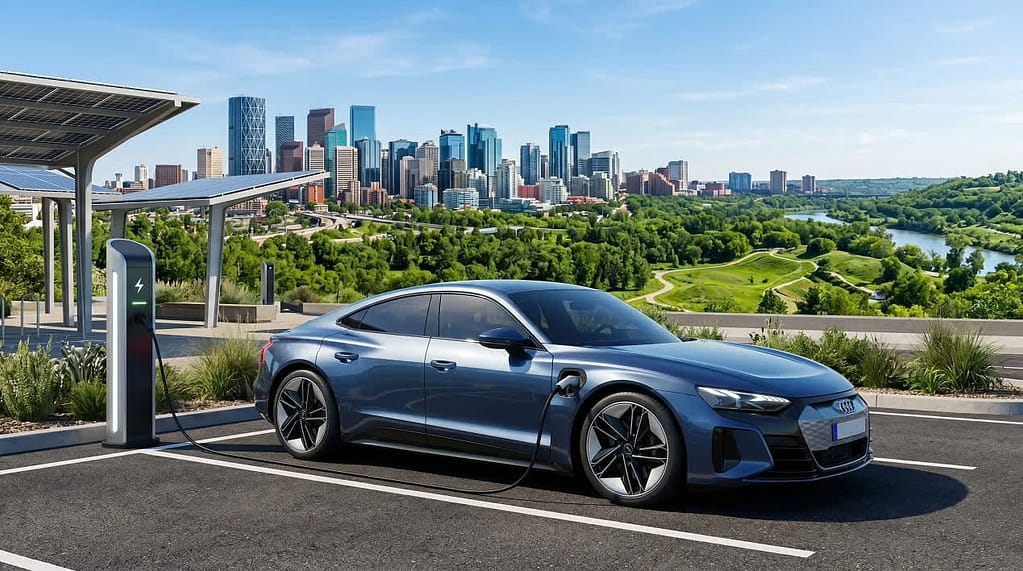
Electric Vehicles Revolutionizing Transportation In The 21st Century
Electric vehicles, or EVs, have become a major topic in today’s conversations about transportation and technology. I’ve noticed that more people are considering switching to electric cars, bikes, and buses due to their growing popularity and clear advantages. The way electric vehicles are changing how we get around goes far beyond just quiet rides or skipping visits to the gas station. There’s a bigger story about cleaner travel, new habits, and how technology keeps improving to shape the future of moving from place to place. Here, I’ll walk you through what makes electric vehicles worth the attention and what you should keep in mind if you’re thinking of switching.
How Electric Vehicles Work: The Basics Explained
I often get questions about what sets EVs apart from traditional cars. The main difference is their power source. Electric vehicles are powered by one or more electric motors, drawing energy from large rechargeable batteries instead of gasoline or diesel. These batteries are typically lithiumion, similar to what’s found in many smartphones, but much larger and more advanced.
Unlike cars with internal combustion engines, EVs have fewer moving parts. There’s no engine oil, no exhaust, and no fuel tank. This simplicity makes maintenance much easier and can even mean fewer repairs over time. The concept may sound hightech, but driving an EV feels very similar to a regular car. I just press the accelerator, and the car moves, often with a surprisingly quick response.
Charging replaces filling up at a gas station. Most charging happens at home using a builtin electric outlet or a special home charger, but public charging stations are popping up everywhere. The expanding charging network makes it easier for more people to consider going electric. For apartment dwellers, developments in shared and workplace charging solutions are also growing, making it possible for nearly anyone to make the switch. Some new residential projects even focus on making home charging standard for every parking spot, so charging fits right into daily life.
The Rise of Electric Vehicles in Everyday Life?
When I look back even just five years, EVs seemed rare on the road. Things have changed quickly. According to the International Energy Agency, there were more than 14 million new electric cars sold globally in 2023, and that number continues to rise every year. Governments around the world are encouraging people to adopt electric vehicles with tax rebates, grants, and investments in charging infrastructure.
This growing popularity shows that EVs aren’t just a passing trend. The technology keeps improving while prices come down, making electric vehicles accessible to more drivers. Major automakers, including Ford, Volkswagen, and Hyundai, now offer a range of models, from compact cars to SUVs and pickup trucks.
Electric bikes and scooters also provide clean, affordable transportation options in cities, and electric buses are starting to make public transportation quieter and cleaner. Meanwhile, ridehailing companies are adding EVs to their fleets, giving urban dwellers even easier access to clean rides. Innovations like battery swapping and rapid charging hubs also continue to appear in city centers around the globe, helping all kinds of commuters get into the electric movement.
Why Electric Vehicles Matter? Real Benefits for Drivers and the Environment
Many people I know are drawn to EVs for their environmental advantages. Since they do not burn gasoline or diesel, they produce zero tailpipe emissions. This means better air quality, especially in cities where traffic is heavy. When charged using renewable energy, like solar or wind power, the environmental benefit grows even bigger.
Aside from being better for the air we breathe, EVs offer other practical perks. They are much quieter, making for peaceful rides, and the electric powertrain gives instant torque, meaning quick acceleration with a smooth feel. Charging at home is both convenient and much cheaper per mile compared to fueling with gasoline.
- Less Maintenance: I spend less time and money on maintenance since there are no oil changes, spark plugs, or exhaust systems.
- Energy Savings: Charging overnight at home is usually cheaper than fueling up with gas, especially if I take advantage of offpeak electricity rates.
- Government Incentives: Depending on where I live, there are opportunities for rebates, tax credits, or grants for EV buyers.
On top of these, driving an EV offers unique perks such as preferred parking spots at certain businesses, free charging at select locations, and even lower tolls or the ability to use carpool lanes in some areas. Many EV drivers also notice that their insurance rates can be similar or even lower than traditional gas cars, rewarding safe and modern driving habits.
What to Know Before Switching to Electric?
Making the move to electric vehicles comes with questions and a few practical considerations. Here’s what I look at when discussing EVs with friends:
- Range: This is how far a vehicle can go on a single charge. While early EVs struggled to reach 100 miles, most modern models offer between 200 and 400 miles of range. I check the manufacturer’s numbers but also pay attention to realworld reviews, as things like temperature and driving style can affect results.
- Charging Access: Having a charger at home or work makes the transition to electric a lot easier. Public charging networks are expanding along highways and in cities, but I always plan long trips with charging stops in mind.
- Upfront Cost: EVs can cost more than gaspowered cars up front, but the price difference is shrinking. Over a few years, I save money on fuel and maintenance, which helps even things out.
- Battery Life: Most EV batteries last for many years, usually with warranties around 8 years or 100,000 miles. Battery replacement is rare for most drivers, and battery costs keep coming down as technology improves.
Besides the key factors above, it’s also important for firsttime EV buyers to check for local charging options if they don’t have a private driveway or garage. Many cities are starting programs to make onstreet charging easier, and some workplaces now offer charging stations for employees. Watching out for updates on recycling programs and battery takeback schemes can also make the switch to electric feel even more responsible for the environment.
Range Anxiety? Fact vs. Feeling
I heard from friends who worry about running out of battery, which is known as “range anxiety.” In my experience, this is less of an issue than it used to be. Most daily driving can easily be covered with modern EVs. For longer trips, planning ahead ensures I find chargers on my route. Newer apps and car navigation systems show charging stations along the way, taking much of the guesswork out. Many modern EVs also come with trip planners that suggest stops, making longer road trips practical for families and solo travelers alike.
Charging? At Home and On the Go
Charging speeds depend on the type of charger I use. Level 1 chargers are basic outlets, adding only a few miles per hour, handy for overnight charging. Level 2 chargers, which can be installed at home or found in public places, add 15-30 miles of range per hour. DC Fast Chargers offer the speediest option on road trips, topping up most batteries to 80% in about 30 minutes. More charging stations are also being fitted with solar panels and battery storage, making them greener and more dependable during local power outages.
Adapt to Life with an Electric Vehicle?
Switching to an EV requires new habits but offers daily rewards. I make sure to plug in when I get home. Preconditioning, such as warming up or cooling the car while it’s plugged in, uses grid power instead of the battery. Learning to use regenerative braking, where the car recovers energy when slowing down, helps me squeeze out extra miles.
Apps from automakers and networks help me find chargers, set up charging sessions, and monitor my battery from anywhere. These tech tools keep everything simple and help me make the most of my EV experience. Additionally, staying informed about software updates can unlock new features, improve range, or even enhance performance, keeping the car feeling fresh and up to date over time.
Common Questions about Electric Vehicles?
I’ve fielded lots of questions about switching to electric. Here are some of the most relevant:
Question: How long does it take to fully charge an electric car?
Answer: Charging times depend on the charger type. At home on a Level 2 charger, a typical EV charges overnight (about 6-10 hours). Fast chargers at public stations can bring a battery to 80% in 20-40 minutes. Some models equipped with advanced charging tech can gain almost 100 miles of range in just a 10-minute stop, making quick topups possible on longer journeys.
Question: Can I drive an EV in cold weather?
Answer: EVs work in all seasons, but cold weather can lower the battery’s range. Prewarming the car while it’s plugged in and keeping your battery above 20% helps get the most reliable performance. Many newer models have special heat pumps or thermal management systems to keep batteries in the best condition, even during harsh winters or scorching summers.
Question: Are there enough charging stations for road trips?
Answer: Highway charging networks are growing rapidly across the US, Europe, and Asia. With some planning using apps, I find road trips easy to map out. The situation improves every year. Popular route planners now highlight highspeed chargers, amenities, and even real-time availability so I’m never caught off guard during a long adventure.
Question: Do electric vehicles need special maintenance?
Answer: EVs have fewer parts, which means less maintenance overall. Rotating tires, replacing cabin air filters, and checking the brakes are still needed, but there are no oil changes or emissions checks to worry about. Some service visits also include software checks to ensure the car is running at its best, giving me added peace of mind.
Electric Vehicles for Different Needs?
EVs aren’t just for city commuters anymore. From longrange SUVs to work trucks and delivery vans, there’s now a model for almost every lifestyle. I see electric options expanding for people who need room for families, want to tow a trailer, or need allwheeldrive. Public transportation is also changing, as electric buses and light rail cut down on noise and air pollution in busy areas.
- Everyday Commuters: Hatchbacks and compact cars make city driving simple, quiet, and efficient.
- Families: Electric minivans and SUVs fit more people and cargo while keeping running costs low.
- Businesses: Delivery companies and taxi fleets are moving to EVs to save on fuel and maintenance.
For those with unique needs, specialty EVs are popping up, too, such as electric pickups for offroading adventures and purposebuilt delivery trucks for lastmile logistics. Even public fleets, including postal vans and garbage trucks, are gradually switching to electricity. It’s truly a new era where all kinds of drivers can find electric options that fit their goals and lifestyles.
What the Future Looks Like?
I’m excited about what’s ahead for electric vehicles. With advances in battery technology and charging, the experience just keeps getting easier. Some EVs now offer bidirectional charging, which means I could one day use my car to help power my home during an outage. Automakers are promising even longer ranges and quicker charging, and governments worldwide are working to make charging universal and more accessible.
The switch to electric is about more than just cars. It’s about mixing up how we move, cutting back on pollution, and building a system that works better for everyone. As the electric revolution continues, renewable energy and smarter city planning will work together to lessen our reliance on fossil fuels and put cleaner air within reach for all communities. I enjoy knowing that every time I drive electric, I’m contributing to cleaner communities and helping move transportation forward in a positive direction. In the coming years, innovations like wireless charging roads and shared mobility models might reshape how we think about getting from one place to another.
Free energy explorer GPT
Explores actual free energy inventions and discoveries.