Benefits Of Using Biodegradable Materials In Daily Life
Switching to biodegradable materials can brighten up everyday routines while helping the planet. I find that once you start swapping out plastic and other nonbiodegradable materials, you start to notice just how much waste you’re avoiding. More companies and individuals are making the move to earthfriendly products because they offer real value, not just for the environment, but for the way we live. In this article, I’ll share what I’ve learned about the practical benefits of using biodegradable materials in daily life, along with tips on how to make these swaps simple for you.
Understand Biodegradable Materials
Biodegradable materials are substances that naturally break down over time through the action of living organisms, such as bacteria or fungi, without causing pollution. For me, this meant trading out plastic bags and containers for alternatives made from things like cornstarch, bamboo, or paper. As these products break down, they turn into natural elements that blend back into the environment, avoiding the harmful buildup that comes with regular plastics.
These materials can show up in all sorts of products, including grocery bags, disposable cutlery, food packaging, and even clothing. It’s helpful to spot certified biodegradable labels to make sure what you’re buying can really be composted or will decompose in a reasonable amount of time. As someone new to these products, I had to get used to checking packaging details more closely at the store.
On top of that, keeping an eye out for third-party certifications, like those from the Biodegradable Products Institute, gave me more confidence. Not every “green” label means the product is truly biodegradable, so I’ve learned to dig into the specifics. If an item doesn’t have clear credentials, I look for online reviews or user experiences before making a choice.
Why Biodegradable Materials Matter at Home
Using biodegradable products in your routines can feel like a small switch, but I’ve seen firsthand how it leads to big changes around waste and indoor air quality at home. By swapping out plastic food containers or wrappers for biodegradable ones, the amount of trash I sent to landfill decreased each week. Kitchen and bathroom waste dropped fast, and I didn’t feel as bad tossing singleuse dishes or napkins after meals and gettogethers. These items safely broke down at my local composting facility or even in my backyard compost.
I also noticed fewer odd smells or irritants indoors, because some plastics can give off fumes if left in the sun or microwaved. With biodegradable options, often made from plants, I didn’t have to worry about those issues. It gave me peace of mind, especially in spaces where kids or pets spend time.
A surprising benefit was a boost in my own mindfulness. When I started paying attention to the materials in my shopping basket, I began making more thoughtful decisions, not just for myself, but for my family and community. Little by little, these choices reshaped my daily life in positive ways.
Steps to Switch to Biodegradable Options
Getting started with biodegradable materials works best in steps. I tackled the easiest swaps first, replacing my kitchen trash bags, plastic cutlery, and packaging wrap with compostable or paper versions. Grocery stores now carry a lot more of these items than they did a few years ago. Some quick ways I recommend:
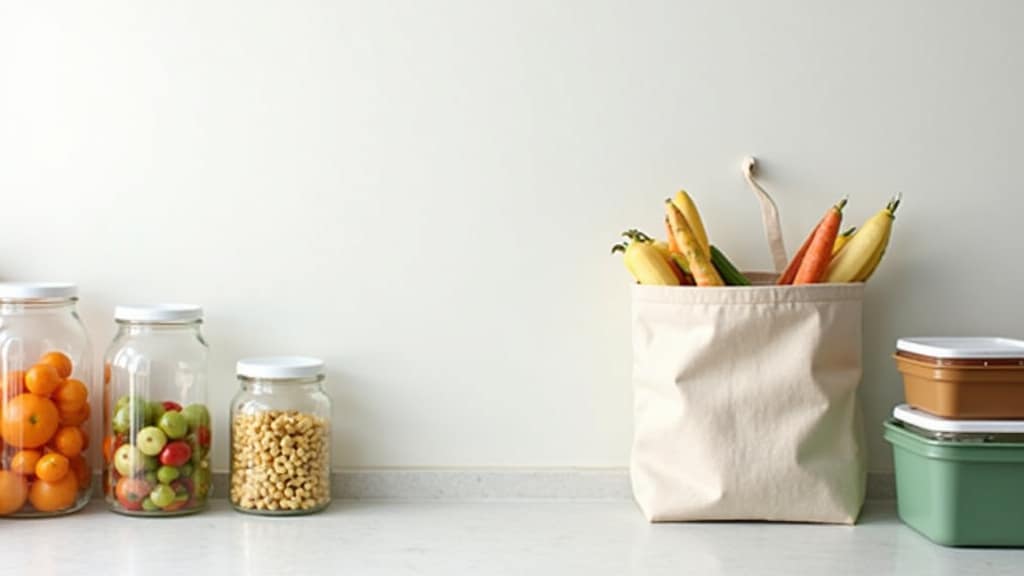
- Reusable and Compostable Bags: I keep a stack of compostable bags in the kitchen, and bring reusable tote bags for shopping. The switch is quick and simple, just like using regular options.
- Biodegradable Cleaning Products: For cleaning, I look for sponges and wipes made of natural fibers like cellulose or bamboo. They break down easily after use instead of sitting in the trash for months or years.
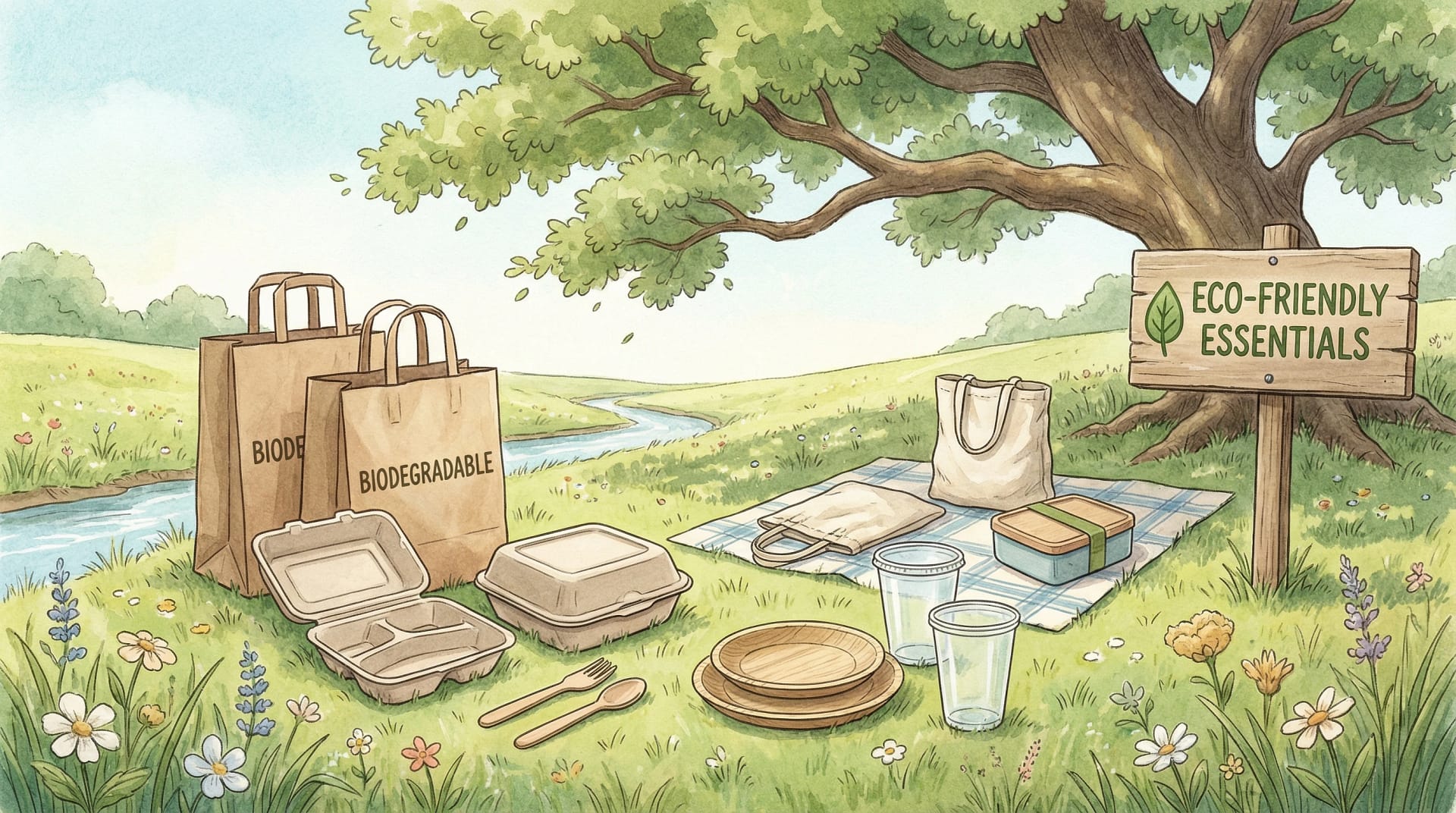
- Tableware and Packaging: Swapping disposable plates, bowls, and utensils for biodegradable versions at gatherings cuts down on plastic waste fast. Compostable containers are handy for food delivery or leftovers, and these can go straight into a compost bin later.
Gradually replacing nonbiodegradable goods with new choices helped me avoid feeling overwhelmed or spending too much all at once. Every swap made my impact a bit lighter and gave me a sense of accomplishment.
I also suggest making a checklist of high-use areas in your home—kitchen, bathroom, laundry room—and noting what can be swapped out next. Even replacing trash can liners and food scraps bags can make a big difference over time. Asking friends or family for their tips helps keep things fun and sparks new ideas for making easy changes.
Common Challenges and How I Overcame Them
Switching to biodegradable products brought up a few bumps in the road. Sometimes, the products cost a little more or they weren’t as strong as their plastic versions. Here’s how I worked around these issues:
- Product Durability: Early on, a few biodegradable trash bags broke when I filled them with wet waste. Buying thicker, rated bags or doublebagging heavier loads made the difference. Reading reviews before buying helps pick the right brand.
- Cost: Biodegradable items sometimes cost a bit more, but I found store brands and bulk packs for better deals. Focusing on high-use areas first, like kitchen trash liners and food wraps, gave me the most impact for my budget.
- Availability: Not every store stocks the same selection. Online shops often offer more variety, and asking grocery staff about earthfriendly options helps increase demand so stores carry more in the future.
Durability Concerns
Many biodegradable items like utensils or straws can get flimsy if left too long in water or hot drinks. For parties and daily meals, I remind guests and my family to toss cutlery into compost after use. For travel, I carry a sturdy reusable bamboo fork and spoon, which hold up better and last longer.
Cost and Access
To keep costs down, I buy in bulk or split bigger packs with friends. Many subscriptions services deliver biodegradable products on a schedule, which cuts the price and keeps supplies steady. Over time, as more people use these products, prices could drop even more.
One tip: local buying groups and community co-ops sometimes organize bulk purchases for ecofriendly goods, leading to significant savings. Joining one not only helps keep your budget in check but also builds a sense of collective impact with others nearby.
Health and Environmental Benefits
Switching to biodegradable products goes beyond waste reduction. Using natural materials in everyday items means less exposure to certain chemicals found in plastics, which can seep into food or drinks. I’ve felt better knowing my family’s food storage and utensils are made from plantbased materials.
Composting biodegradable items adds nutrients to the soil, which benefits gardens and parks in the community. I started a compost bin at home and saw how quickly food wrappers, napkins, and even coffee cups turn into rich, dark compost that helps my plants thrive. When I joined a local composting pickup service, I discovered how small changes in my home waste could help the neighborhood, too.
Besides composting, throwing away fewer plastics means less risk of polluting waterways and natural spaces. Wildlife benefits as well, because they’re less likely to get tangled up in trash or eat harmful materials. Over time, this collective action leads to a healthier ecosystem all around us.
Ecofriendly Choices in Everyday Life
Beyond the kitchen and dining table, I use biodegradable materials for garden pots, pet waste bags, and even mailers. Many local coffee shops and restaurants now offer compostable to-go cups or straws. Choosing these over regular options helps keep litter and pollution down in the wider community.
- Gardening: Compostable plant pots and yard waste bags save me time and add to my garden’s health.
- Pet Care: For walking my dog, I switched to biodegradable waste bags that don’t hang around in the landfill.
- Office and Mailing: Shipping mailers and packing peanuts made from biodegradable materials are popping up everywhere, and I use those for sending packages or recycling at work.
Traveling with a reusable water bottle or biodegradable cutlery makes outdoor adventures less wasteful, while supporting community businesses that prioritize these supplies builds a stronger local green culture. I’ve started recommending my favorite shops to friends, helping spread the word about how every purchase makes a difference.
Frequently Asked Questions
Here are some common questions I hear from friends and neighbors about biodegradable materials:
Question: Do all compostable products break down at home?
Answer: Some products labeled “compostable” need higher temperatures to fully break down, like those offered by industrial composting sites. I always check packaging for home compost compatibility and separate items if needed.
Question: How can I tell if a product is really biodegradable?
Answer: I look for certification logos like BPI (Biodegradable Products Institute) or compostable certification from recognized organizations. Double-checking details avoids greenwashing or misleading claims.
Question: Are biodegradable products as strong as regular plastic items?
Answer: Many plantbased products hold up well for their intended use, but for heavyduty jobs I use reusable items made from bamboo, metal, or glass.
Question: What is the best way to dispose of biodegradable products if I don’t have compost pickup?
Answer: If local composting isn’t available, look for drop-off programs at community gardens or farmers’ markets. Some cities provide special bins or have local events for collecting biodegradable goods. Connecting with neighborhood groups can open up new disposal options even if you can’t compost at home.
The Bottom Line on Daily Biodegradable Choices
Switching to biodegradable materials doesn’t have to feel overwhelming. Each small change, whether it’s compostable plates, reusable bags, or plantbased wraps, makes a noticeable difference at home and for local waste systems. Over time, I found it easier and more rewarding to keep up these habits, and my community’s support keeps making these choices simpler. Doing my part every day with ecofriendly products feels good, and the rewards show up fast in less trash, healthier spaces, and a cleaner planet for everyone. Start small, stay consistent, and you’ll spot the benefits sooner than you think.
Free energy explorer GPT
Explores actual free energy inventions and discoveries.
Make your own inventive corner
Ready to start your own website and share your passion with the world? Join me and unlock step-by-step training to build your online presence just like I did! Use my links if you want me as your coach!