
The Role Of Aquaponics In Feeding A Growing Global Population
Aquaponics has become one of the more interesting topics when people talk about sustainable ways to grow food. As the global population continues to rise and additional pressure lands on existing food systems, aquaponics steps up with a fresh approach that combines fish farming (aquaculture) with soilless plant growing (hydroponics). I want to get into how aquaponics works and why it’s getting attention as a solution for feeding more people, especially as land and water resources get tighter.
How Aquaponics Works
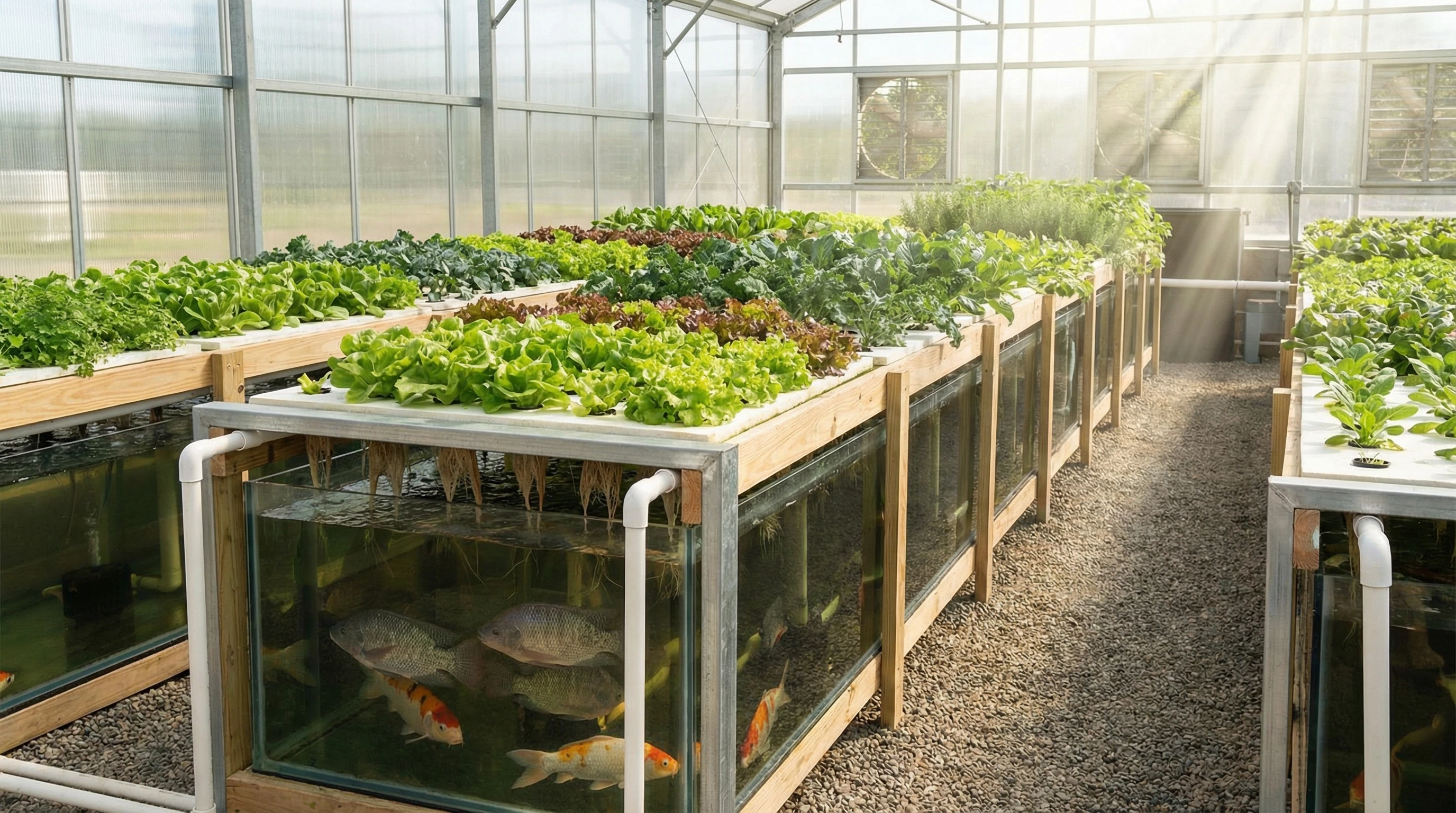
Aquaponics brings together two types of farming that might seem very different at first glance. Fish live in tanks and produce waste, which, if left untreated, would pollute their water. Instead, the water passes through a system where natural bacteria break down the fish waste into nutrients that plants can use. As the plants absorb these nutrients, they clean the water, which then returns to the fish tanks. This ongoing cycle makes the most out of water and nutrients. The plants grow without soil, often in trays or floating rafts, and the fish get a cleaner environment, making both components function better together.
I first saw an aquaponics system during a tour of a small urban farm. What struck me was how tidy and organized it looked, along with the range of crops being grown; tomatoes, lettuce, and even herbs grew right next to tanks of tilapia. The farm manager explained that water use was much lower than on a traditional farm, and harvesting both fish and vegetables boosted profits.
What’s remarkable is how adaptable aquaponics systems are. Some hobbyists set them up in their homes or backyards using basic materials, while larger operations transform entire warehouses into green islands of food production. This adaptability means anyone—individuals, schools, or businesses—can set one up, lending to aquaponics’ growing popularity in diverse settings.
Why Aquaponics Matters for Food Security
Feeding more people means making the most of the resources we have. Aquaponics is efficient with water, which is increasingly important as droughts and shortages become common. While traditional farming can use about 70% of freshwater supplies globally, aquaponics recycles almost all its water, with only a small amount lost to evaporation and plant respiration. This efficiency makes it practical for places that struggle with limited water access.
Space saving is another major benefit. Since aquaponics systems can be stacked vertically or set up in greenhouses, even cities can host food-growing operations close to where people live. Foods that would otherwise need to be shipped hundreds or thousands of miles can be grown nearby, reducing transportation emissions and providing fresher produce to local communities.
I’ve spoken with urban farmers who switched to aquaponics after seeing just how much they could grow in small spaces. Many told me their customers appreciated the local aspect and the reduced use of pesticides or synthetic fertilizers. Balanced aquaponics systems mostly don’t require those inputs, which creates safer, cleaner food and a friendlier impact on the environment.
For communities with limited access to farmland, aquaponics can be a real game changer. For instance, food deserts in cities or regions with poor soil can kickstart food production indoors or on rooftops. In these cases, aquaponics acts as a bridge, connecting people to fresh, nutritious food even when outside conditions are tough.
The Environmental Benefits of Aquaponics
Aquaponics offers upsides that go well beyond the boundaries of the farm. Since it doesn’t need soil, these systems avoid problems like land degradation, erosion, and soil-borne diseases. By circulating nutrients in a closed loop, they minimize runoff that might otherwise damage rivers and lakes. Also, because many aquaponics operations grow plants without chemical fertilizers, there’s less risk of contaminating local ecosystems and drinking water.
Modern aquaponics systems can also be set up in places that once were written off for farming. Empty warehouses and vacant lots get transformed into food-growing hubs. This gives new life to urban areas and can help keep cities cooler by reducing the urban heat island effect when greenhouses or rooftop gardens are part of the setup.
Some aquaponics operations also add renewable energy into their mix, such as using solar power for pumping systems. These features further lower the environmental footprint, making aquaponics one of the greenest ways to grow food.
Steps to Starting an Aquaponics System
Jumping into aquaponics doesn’t have to be overwhelming. At its heart, you need four pieces: a fish tank, a plant bed, a pump to circulate water, and a biofilter where bacteria break down fish waste. Even so, things like fish and plant types, system size, and water quality all have a hand in how smoothly things go.
- Pick the Right Fish: Popular choices include tilapia, catfish, and trout because they grow fast and tolerate a range of conditions. Begin with species that are legal and easy to get in your area.
- Choose Your Plants: Leafy greens, herbs, and some fruiting plants grow great in aquaponics. Lettuce, basil, mint, and cherry tomatoes are some userfriendly picks for beginners.
- Set Up the System: Even beginners can start small with hobby kits or put together a basic DIY system using foodgrade containers, pipes, and grow beds from local hardware stores.
- Watch Your Water: Regularly check pH, temperature, and ammonia levels for both fish health and plant growth. Simple test kits make this easy to do without much fuss.
- Feed and Observe: Feed the fish on a regular schedule, keep an eye on fish and plant health, and make adjustments as needed. Stay attentive so any imbalances are corrected early.
Following these steps allows anyone to set up a reliable food source right at home or even scale up to a community project. With practice, people often get the hang of it quickly and enjoy watching their small system transform into a steady supply of vegetables and fish.
Challenges and Things to Consider with Aquaponics
Like any farming style, aquaponics brings its own list of hurdles. From conversations with growers and from my own experiences, here are some real-world challenges:
- System Management: Balancing the needs of fish, plants, and bacteria requires regular attention. If water temperature changes or there’s a power outage, issues can appear quickly.
- Starting Costs: Setting up an aquaponics system might call for a higher upfront investment compared to regular gardening. Equipment like pumps, tanks, and test kits add to the bill, but over time, savings on water and fertilizer help make up the difference.
- Learning on the Go: The science behind aquaponics can be tricky. Grasping water chemistry, fish biology, and plant needs is essential. Fortunately, tons of online resources and community support groups exist for newcomers who need tips.
- Market Challenges: Selling fish and veggies locally may require extra permits or special labels, particularly for seafood products. Planning ahead helps smooth the way and avoid surprises.
Despite these barriers, many folks find ways around them. Local schools, community gardens, and startups have created smart solutions like solar power backups, shared equipment programs, and group training days. For those persistent enough, the rewards definitely pay off. The flexibility and learning that come with aquaponics attract experimenters and entrepreneurs alike.
Manage Fish Health
Healthy fish are key to any successful aquaponics system. Fish can get sick just like any animal, and when this happens, it often hurts plant growth too. Stress from overcrowding, dirty water, or improper feeding can lead to disease spread. Experienced growers set routines for daily checks, watching fish for odd behavior, testing water, and removing sick or injured fish quickly to keep things stable.
Consistency makes a huge difference. Having a back-up plan for losing power, such as battery-operated pumps, goes a long way in protecting your system during emergencies. Many seasoned aquaponics fans say that proactive care is what keeps their systems thriving year after year.
Water Quality and Disease
Quality water and disease prevention are at the core of healthy aquaponics. Extreme temperatures or poor water can spark big problems, sometimes affecting both fish and plants overnight. Most growers consider tools like thermometers, ammonia test kits, and extra water pumps as must-haves to keep things in check.
Whenever possible, it’s helpful to keep a detailed logbook or notes to track changes and catch patterns early. This precaution can help avoid large losses and maintain both yield and animal health.
Real-World Impact and Scaling Up
Aquaponics fits perfectly where soil quality is low or freshwater is scarce. On a bigger scale, farms and nonprofits use aquaponics to generate jobs, teach hands-on science, and sell produce or fish at farmers’ markets. Some relief agencies even send out portable aquaponics units to disaster zones or food-short regions, letting people grow their own food no matter the conditions. It’s hard not to feel inspired watching lettuce and tilapia being harvested together in a spot that used to be an empty warehouse.
- Urban Farms: Big cities like Chicago and Tokyo are running rooftop or warehouse aquaponics sites that supply greens and herbs directly to neighborhoods—no long-haul shipping required.
- Schools: Classrooms around the globe use aquaponics setups to spark student interest in science, math, and sustainability.
- Offgrid Solutions: Remote or disaster-hit places build solarpowered aquaponics to keep food growing even if the power grid is unreliable or the land is unsafe.
In each case, aquaponics showcases just how adaptable, educational, and empowering it can be. New technologies, especially automation and sensors, are helping larger systems grow quickly, and the knowledge gained gets spread through videos, workshops, and community events.
Frequently Asked Questions
Here are some common questions for anyone thinking about aquaponics as a tool for growing food:
Question: How much food can aquaponics produce compared to soil farming?
Answer: Yields depend on the system and how it’s run, but aquaponics often turns out more crops and fish per square foot than soil-based farms. Faster plant cycles and space-saving rows can lead to a steady, impressive output.
Question: Is aquaponics organic?
Answer: Most aquaponics systems skip synthetic pesticides and fertilizers. Whether something is officially organic depends on local rules, but many regions count aquaponics produce as organic if the system meets certain guidelines.
Question: What kind of maintenance does an aquaponics system require?
Answer: Daily or weekly jobs include checking water quality, feeding the fish, cleaning pumps and filters, and looking out for signs of stress or disease. This regular attention helps keep things stable and productive.
Looking Ahead… Aquaponics and the Future of Food
Aquaponics is setting up a new path for growing food as more people compete for fewer resources. As technology improves and more people experiment with these systems, we’ll likely see even further steps forward, with more schools, homes, and businesses making aquaponics part of their food game plan. Not every region will be the perfect fit, but the flood of positive stories from existing sites worldwide shows aquaponics has real staying power for food security.
If you’re considering aquaponics, starting out small is a smart move. Both hobbyists and large-scale growers say that the biggest benefit isn’t just the food they harvest, but the satisfaction of running a system that’s both productive and ecofriendly. The ripple effect is more efficient, local, and greener food—exactly what’s needed for a future where sustainability matters more than ever.