
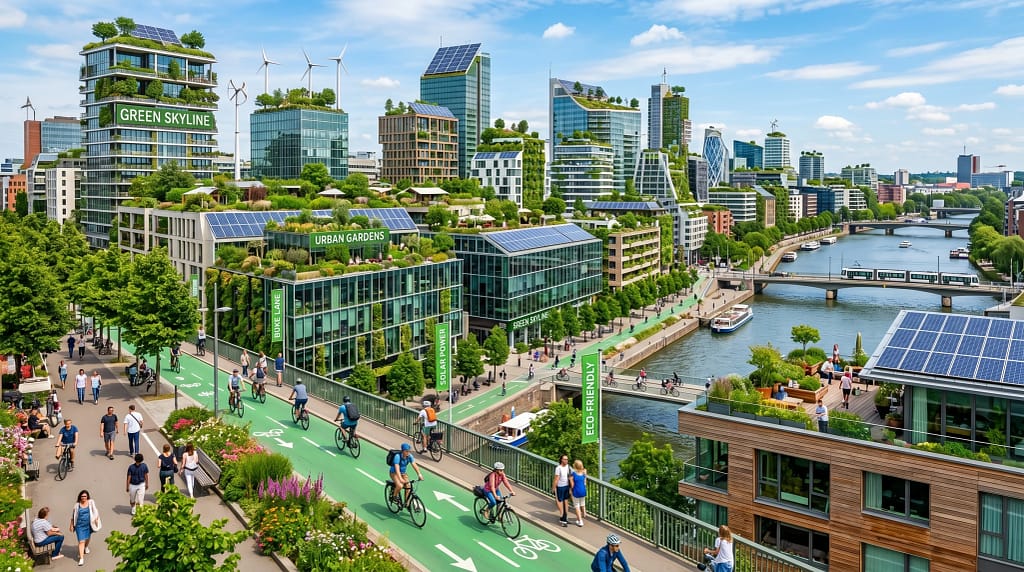
10 Innovative Solutions For Sustainable Urban Living
Sustainable urban living isn’t only about being ecofriendly. It’s a way of making city life more enjoyable, affordable, and practical for everyone. Urban areas keep growing, and with that comes bigger challenges like congestion, pollution, and an extra strain on resources.
Sometimes city living can feel wasteful or exhausting, but I’ve found that small improvements and new ideas can really help. These days, there’s plenty of smart tech and creative thinking designed to make city life cleaner, greener, and more efficient—even if you’re renting a tiny apartment or sharing space with roommates. Whether you care about cutting down on your bills, reducing your impact, or just want a better daily routine, urban sustainability offers solutions that fit different lifestyles.
Here are 10 smart solutions that are already changing how people live in cities. Whether you want to make a big impact or just pick up a few ideas, there’s something in here worth checking out.
1. Green Roofs and Living Walls Keep Cities Cool
Green roofs are pretty much what they sound like: rooftops covered in plants, flowers, or even small trees. Living walls (or vertical gardens) do the same thing right on a building’s exterior. These aren’t just a trendy decoration. They help soak up rainwater, make cities look nicer, and bring down temperatures on hot days. I’ve seen some buildings cut their cooling bills just by adding a layer of greenery overhead. They can turn dull rooftops into community gardens or even add a pop of color to gray city blocks.
Why It Works:
- Adds extra insulation, keeping buildings cooler in summer and warmer in winter.
- Improves air quality by filtering dust and pollution.
- Create habitats for birds and pollinators in the heart of the city.
Green roofs also make highdensity neighborhoods feel less crowded and more peaceful. That’s one of my favorite benefits, especially when you can escape to a rooftop garden after a busy day.
2. Community Solar Power and Clean Energy for Every Block
Traditional rooftop solar is great but not always possible if you rent or if your roof isn’t sunny. Community solar projects let city dwellers buy a share in a local solar farm or rooftop and get credits on their electricity bills. No installation or maintenance, just cheaper and cleaner power. It’s a creative way to bring renewable energy to more people, regardless of their living situation.
How to Try It:
- Check for community solar programs offered by your electric utility or city.
- Sign up as an individual, household, or group of neighbors.
- Enjoy renewable energy, often at lower costs than traditional sources.
This is a super practical way to help the environment without the hassle of owning solar panels. Plus, as more people join in, these projects get even cheaper and more effective.
3. Public Transportation That’s Actually Fun to Use
Modernizing buses, trains, and metro systems can save a ton of energy and make life less stressful for everyone. Things like rapid transit lanes, real time tracking apps, and bikefriendly buses all add up to a smoother ride. I’m a big fan of cities investing in electric buses or light rail—less noise and no fumes. Public transit improvements benefit everyone, even those who drive, because there’s less congestion and fresher air.
Tips for Smoother Commuting:
- Use public transit apps for up-to-the-minute arrival info.
- Look for options to mix and match rides with bike shares or electric scooters.
- Check out new transit loyalty programs for discounted fares.
Good public transportation also frees up street space for parks and plazas instead of more parking lots, which helps make cities more livable.
4. Car Free Zones and Walkable Streets
Paving over every inch of a city with roads and parking lots leads to heat, air pollution, and traffic jams. Cities like Copenhagen, Barcelona, and New York have started to turn whole areas into carfree or lowcar zones. This gives the streets back to people on foot, bikes, and scooters. Block parties, farmers’ markets, and street festivals flourish in these pedestrian zones.
What Changes:
- More sidewalk cafes and open air events pop up.
- Kids can play and neighbors chat without the roar of engines.
- Lower pollution levels, which helps everyone’s health.
I find these zones instantly more relaxing, and they encourage small businesses since people are more likely to linger and shop locally. Walkable areas also mean less time searching for parking and more time enjoying your neighborhood.
5. Smart Waste Management Gets Rid of Trash Problems
Overflowing bins and confusing recycling rules are a hassle. New waste collection uses sensors that let the city know when bins are full, while smart sorting systems make recycling simpler and more effective. Some neighborhoods even reward folks for proper sorting and reducing waste. Cleaner streets and streamlined recycling help the whole community.
Easy Upgrades:
- Apps that show recycling pickup dates and sorting guides.
- Contactless, odorproof compost bins for food waste.
- Bulk container programs for refilling basics (like laundry soap) to cut packaging waste.
This tech not only keeps streets cleaner but also helps cities recycle more efficiently and reduce landfill waste. It can also help educate people on better waste habits, making cities greener over time.
6. Microgreens and Vertical Farming at Home
You don’t need acres of farmland to grow your own food. Indoor gardens, aquaponics kits, and vertical planter towers fit on small balconies or kitchen counters. These setups use way less water, and microgreens can be harvested in a week or two for salads and smoothies. Home growing is rewarding, whether it’s a pot of herbs or a full wall of leafy greens.
Starter Tips:
- Look for beginnerfriendly hydroponic kits at gardening stores or online.
- Start with herbs or leafy greens—they grow fast and don’t need much space.
- Join a community garden if you need more room or want advice from fellow growers.
Growing just a little of your food right in the city is surprisingly satisfying and reduces your grocery trips. Plus, it’s a fun activity that helps you eat healthier and waste less food.
7. Shared Mobility? Cars, Bikes, Scooters… No Ownership Needed
Owning a car in the city is expensive and often unnecessary. Carshare, bikeshare, and electric scooter services mean you can grab a ride whenever you need it and skip the insurance, gas, and repair bills. These services use apps for easy booking and often work with public transit passes for a seamless trip.
How It Helps:
- Reduces traffic and demand for parking.
- Lowers the carbon footprint for everyday trips.
- Makes trying new, cleaner transport options riskfree.
Some cities even offer electric vehicle sharing, which is pretty handy for errands or road trips. Shared transportation options keep streets quieter and encourage people to use more ecofriendly methods of getting around. It’s a simple way to set free the advantages of spontaneous, convenient mobility.
8. Passive Houses for UltraEfficient Living
Passive houses use smart design, like extra thick insulation, airtight windows, and natural airflow, to keep homes comfortable yearround with almost no heating or cooling costs. You don’t need to build from scratch: window upgrades, better seals, and even heavy curtains can make a rental more energyefficient.
Ways to Improve Efficiency:
- Weatherproof windows and doors for fewer drafts.
- Use LED bulbs and energyefficient appliances.
- Try blackout curtains to block heat in summer and keep warmth in during winter.
Every step helps you save money and lowers the demand on city power grids. If your building is older, small retrofits like door sweeps or lowenergy lighting can make a big difference over time.
9. Digital Sharing Platforms for Less Waste
Buying new stuff all the time creates extra waste and clutter. With sharing apps, I can borrow or lend things like drills, baby gear, or even books with neighbors. Tool libraries, clothing swaps, and local group chats keep useful items in circulation instead of the landfill. This builds stronger communities and cuts down landfill waste.
Get Started:
- Find or start a neighborhood sharing group online.
- Use item lending apps to borrow rarelyused gear.
- Participate in local swaps for clothes, books, and even furniture.
This approach is friendlier on your wallet and the planet, and it helps you meet people nearby. The more people that join in, the better the selection and the stronger your connections with neighbors. It’s a winning idea for anyone who wants to save money and cut clutter.
10. Urban Water Saving Strategies
Fresh water is harder to come by than you’d think in cities. Practical solutions, like rainwater harvesting tanks and lowflow fixtures, cut down waste. Some buildings send gray water from sinks to flush toilets, and “smart” irrigation systems only water plants when sensors say it’s needed. Saving water reduces bills, lowers pressure on city infrastructure, and gives a boost to local ecosystems.
Simple Ideas to Try:
- Install a shower timer to avoid extralong sessions.
- Set up a rain barrel if you have a balcony or shared roof space.
- Use native or droughttolerant plants that thrive with less water.
Even small changes in water habits add up, and many cities offer rebates for watersaving upgrades. If more city dwellers switch to efficient plumbing and mindful usage, the benefits go a long way.
Bringing it All Together
Sustainable city living is about more than just good intentions. There are smart, creative solutions popping up in neighborhoods all over the world. Whether you try one tip or combine a few, every bit of effort helps build a healthier, more enjoyable city life for everyone. Have you spotted any nextlevel cool green upgrades in your neighborhood? Feel free to share your favorites. For more inspiration, you can browse projects and guides at Green Building Advisor or check your city’s sustainability office online. With everyone doing their part, the future of city living can be truly bright and sustainable.
Your curiosity is appreciated!
Insightful Reviewer GPT
Offers reviews and critiques with ratings and personalized recommendations based on user profiles.