
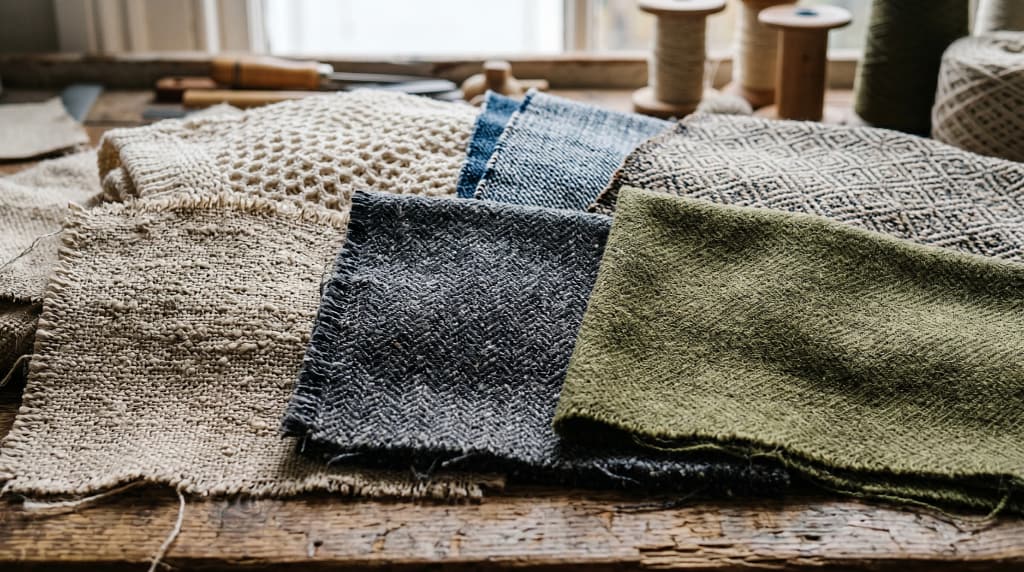
Sustainable Fashion & Innovations In Textile Technology
Sustainable fashion is catching more attention every year as people look out for the environment, ethical production, and personal health. If you want to make greener choices, it’s important to know how textile technology is driving the mix up from waste and traditional fabric production. I want to share what I’ve learned about the new science and creativity behind fabrics and how these changes offer better options for everyone—shoppers and designers alike.
What Does Sustainable Fashion Mean Today?
At its core, sustainable fashion is about producing and buying clothing in a way that respects people and the planet. This usually means using fewer resources, less pollution, and fair labor practices. Textiles are central to this effort because nearly every item of clothing is made from fabric, and their production often uses massive amounts of water, chemicals, and energy.
I’ve seen brands get creative to reduce harm to the environment. Changing how fabrics are grown, designed, and manufactured makes a real difference. That’s why textile technology is now one of the most exciting paths for making fashion more eco-friendly.
Key Innovations in Textile Technology?
Innovation in textile technology is shaping the future of eco-conscious clothing. Scientists and designers now use new materials, smart blends, and inventive production methods. These new options bring sustainable choices without losing out on style or comfort.
Here are some forwardthinking changes that stand out:
- Biobased Fibers: Fabrics grown from renewable sources like bamboo, hemp, and algae are starting to replace traditional cotton and synthetics.
- Recycled Materials: Plastic water bottles, fishing nets, and used clothes get broken down and spun into soft, usable threads, reducing waste.
- Waterless Dyeing: Advanced dyeing methods, like air dyeing or digital prints, help prevent water pollution and save thousands of gallons of water per garment.
- Closed Loop Manufacturing: Modern factories recover, clean, and reuse chemicals, fibers, and water, so hardly anything gets tossed.
The Main Sustainable Fabrics?
The range of planetfriendly fabrics grows every year. Each new fiber or technology brings unique benefits and quirks. Here’s a quick look at some of the top options that I’ve tried, researched, or seen in action:
- Tencel™ (Lyocell): Made from wood pulp, this soft and silky material is created using a closed loop system that recycles almost every bit of chemical used. Tencel™ is comfy and made with less environmental impact.
- Recycled Polyester (rPET): Old plastic bottles can become strong, machine-washable fibers. Clothes made from rPET feel like regular polyester but consume much less raw oil and energy.
- Hemp: This sturdy, classic fiber grows fast and needs little water or pesticides. Modern hemp blends are way softer than you would expect.
- Organic Cotton: This variety is grown without harsh pesticides or fertilizers, which is better for farm workers and soil. Water use still needs watching, but it’s a cut above regular cotton.
- Piñatex® and Mycelium Leather: Both use waste to create goods—Piñatex® comes from pineapple leaves, and mycelium leather is made from mushroom roots. These tough, plant-based fabrics offer true alternatives to animal leather and lower agricultural waste.
How Textile Technology Helps the Environment?
Traditional textile production has a big impact on land, water, and air. New technology can step things up for the planet. Here’s what these advances mean:
- Lower Carbon Footprint: Using recycled fibers and natural dyes means less fossil fuel energy needed, which leads to lower greenhouse gas emissions.
- Less Toxic Waste: Choosing natural dyes or fibers that don’t require a lot of pesticides stops pollutants from reaching rivers and soil.
- Cleaner Water: Waterless dye techniques and closed loop systems help keep local waterways safe from toxins and reduce water use a lot.
- Saves Land: Fastgrowing plants such as bamboo and hemp need less land and water than conventional fibers, letting other spaces stay wild or be used for food crops.
Challenges in Sustainable Fashion Textiles?
It isn’t always smooth sailing when it comes to buying green. Some new fabrics come at a higher price and supply chains can be tricky to check. Greenwashing is always a concern, so I always look for thirdparty certifications and try to learn about actual production methods. There’s more to real progress than labels or buzzwords.
- Price: Some sustainable textiles cost more to produce, which shows up in stores. Though, as production gets bigger, prices are slowly coming down.
- Access: Urban stores might offer greener options, while shops in smaller towns may have fewer choices.
- Performance: Earlier alternatives could feel stiff or weak, but now smart blends and tech improvements make them just as handy for daily wear.
- Greenwashing: Be aware of false green claims. Stick with certifications like GOTS, OEKO-TEX®, or FSC to check a brand’s dedication.
Why Fabric Choice Matters
Your decisions as a buyer, designer, or maker count. If you’re aiming to shrink your wardrobe’s impact, look for ecofriendly fabrics first. Choosing these materials supports greener production and helps build healthier communities. Even just buying less, or taking care of your clothes to make them last, goes a long way.
Tips for Making More Sustainable Choices
Sustainable shopping might seem tricky at first. This is what works for me when I want to track down fabrics and brands that truly make a difference:
- Read Labels and Certifications: Look for documented details about recycled content or thirdparty eco-certifications, and don’t just rely on vague “eco-friendly” claims.
- Choose Quality Over Quantity: Buy fewer, highquality pieces—even those made with advanced or alternative fibers. Quality over time means less waste and better value.
- Wash with Care: Gentle washing and air drying help your clothes last longer and lower the use of energy and microplastic shedding.
- Back Innovation: Search for brands that openly discuss new materials or reveal their process. I learn the most from labels who show their data and explain what they’re changing.
How Real Brands Use Innovative Fabrics?
Major players in sustainable fashion are very open about their fabric choices. Big names like Patagonia and Adidas use recycled polyester in their gear. Luxury brands such as Stella McCartney make bags and shoes with mushroom leather. At local markets and ecofashion fairs, I come across small labels experimenting with bamboo, cork, or even upcycled denim for cool, creative looks.
I enjoy seeing tangible results, including workout clothes made with old fishing nets or jeans featuring QR codes that track their recycled origins. These creative projects show textile technology is making it easier to shop with purpose and care.
- Fashion for Good: Some designers run take-back programs, transforming old jeans and tees into new yarns and finished garments, keeping the loop closed.
- Digital Product Passports: Some clothes now have scannable tags that reveal the full story on materials and recycling instructions.
Frequently Asked Questions
Here are answers to a few common questions I get about sustainable fashion and textile innovation:
Question: How can I tell if a fabric is truly sustainable?
Answer: Watch for certifications, ask brands about their supply chain, and avoid items with vague “green” claims.
Question: Is sustainable fabric as durable as regular fabric?
Answer: Many updated fabrics, like Tencel and recycled polyester, are just as tough—sometimes even stronger—than traditional fibers, especially with improvements in technology.
Question: Are these advanced fabrics easy to find?
Answer: More brands worldwide are offering these new options every year, but what’s stocked depends on the region. Specialty online shops focused on ecofashion can help bring more choices to you.
Why Textile Innovation Keeps Growing
The rapid pace of textile technology suggests that this area will keep advancing and focusing on both style and sustainability. Every new fiber, production process, or creative mix brings us closer to a wardrobe that supports people and the planet. The switch up is ongoing, but these changes lead us toward a practical, sustainable future in clothing.
Trying out clothing made with new, ecofriendly textiles can feel good for your daytoday life and helps the planet too. Following new developments and supporting brands that take a real interest in sustainable materials helps push fashion in the right direction and keeps the conversation moving forward.
Free energy explorer GPT
Explores actual free energy inventions and discoveries.