
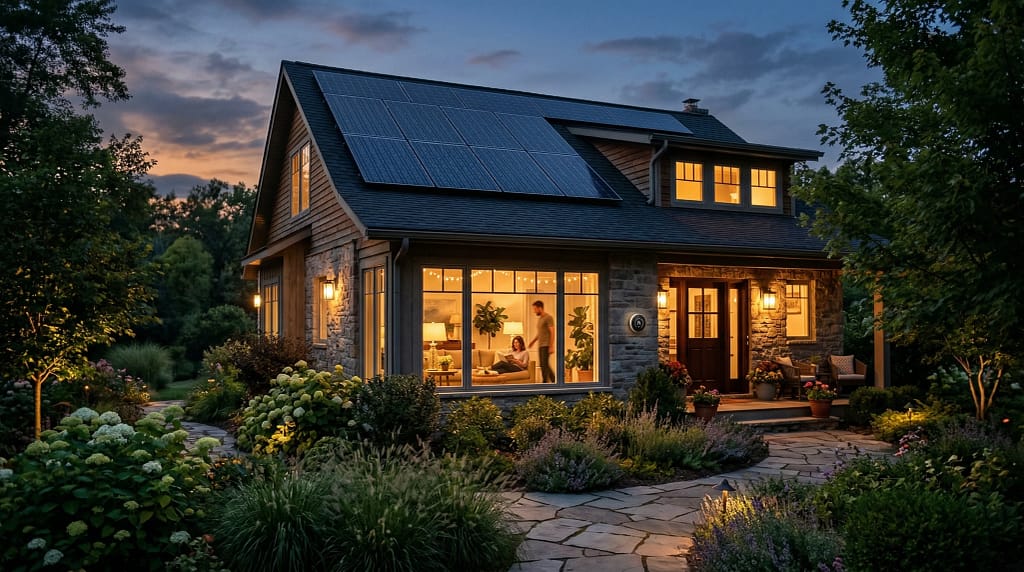
Saving energy at home has become really important to me, not just to help the planet but also to keep utility bills down. I noticed my energy use climbing during winter and summer, so I started looking for reliable and practical ways to make my home more energyefficient. Even small changes have made a difference, and over time, these little habits have added up to real savings.
Maybe you’re dealing with drafts in the colder months, or perhaps your electricity bill keeps creeping higher even though you’re being careful. It’s easy to feel like the challenge is too big, but I’ve found that improving energy efficiency is more about consistent habits and smart choices than expensive renovations. The steps I’m sharing here are straightforward, budget friendly, and can lead to a noticeable difference in both comfort and cost.
This guide will walk you through how to make your home more energyefficient, step by step. Each section covers an important area, offering examples, tips, and real life adjustments I’ve made in my own home. Whether you’re just starting out or want to take your energy savings a bit further, you’ll find advice that’s practical and easy to use.
Step 1: Assess Your Home’s Energy Use
Before making any changes, I like to get a clear picture of where energy is being used, wasted, or simply overlooked. Without this, I’m just guessing and might focus on the wrong things. Here’s how I tackle this first step.
Questions I Ask Myself:
- What are my highest utility bills each year?
- Are there rooms that always feel unusually hot or cold?
- Where are the biggest drafts or leaks?
- Which appliances or lights run the most in my house?
Basic Energy Auditing:
- Walk through the house and feel around windows, doors, and outlets for drafts.
- Look for obvious gaps, weather stripping that’s damaged, and spots where insulation may be missing.
- Check which lights and electronics are left on when they’re not needed.
Some utility companies offer free or low cost home energy audits, and I’ve used these to learn where I needed to focus improvements. You can also find handy checklists online that help you track down leaks or gaps you might not notice at first glance.
Step 2: Improve Insulation and Seal Air Leaks
I found that heating and cooling costs take up about half of a home’s energy bill on average (source: energy.gov). When I focused on sealing air leaks and boosting insulation, I noticed both comfort and savings got better.
Tactics That Worked for Me:
- Seal gaps and cracks around windows and doors using caulk or weatherstripping.
- Add draft stoppers to doors leading outside.
- Insulate the attic, basement, and crawl spaces to trap warmth in during winter and keep heat out in the summer.
- Use foam gaskets behind outlets and switch plates on exterior walls.
Even basic sealing made my home warmer in winter and cooler in summer, without needing to crank up the thermostat. Over time, I also put up thermal curtains in drafty rooms, which helped lock in the temperature and made the living space more comfortable year round.
Step 3: Upgrade Lighting Efficiency
Swapping out traditional bulbs for LED bulbs might sound like a small change, but in my experience, it makes a big difference in the long run. LEDs use up to 80% less energy than incandescent bulbs, and they last for years.
Tips for EnergySmart Lighting:
- Switch to LEDs in every room, especially lights used the most.
- Use motion sensors or timers for outdoor or hallway lights.
- Make it a habit to turn lights off when leaving a room.
- Use light colored paint and decor to reflect natural light better, so I can rely less on artificial light during the day.
These habits have helped bring down my electricity bill, and I hardly ever change bulbs now. An extra tip I picked up is to keep lamp shades clean. Dust buildup reduces light output, so a quick wipe every few weeks brightens up the room without using more power.
Step 4: Choose Efficient Appliances and Smart Devices
When an appliance needs replacing, I look for models with the ENERGY STAR label. These products use less energy than standard models. Even if they sometimes cost a bit more upfront, I’ve seen them pay off with lower bills in the long run. Over the last year, replacing my old refrigerator alone helped reduce my overall energy use more than I expected.
What I Look For:
- Check the EnergyGuide label to compare yearly operating costs between models.
- Prioritize upgrading old refrigerators, washers, and heating or cooling systems, since these use the most power.
- Use smart plugs and home energy monitors to cut vampire energy use (what’s drawn by devices even when off). For example, my TV and game consoles have their own smart plug, so I can shut them down with an app.
Appliances like dishwashers, water heaters, and dryers also use a lot of energy. When I time their use during nonpeak hours, if my utility allows special rates, I save even more. Embracing some smart technology made it easier to track down where energy was being wasted. I started monitoring patterns and made adjustments, like running big appliances when rates are cheapest, to maximize savings.
Step 5: Use Heating and Cooling Wisely
I realized a lot of energy goes into heating and cooling my home, so this area is worth extra attention. Small behavior changes and affordable upgrades have both helped. For instance, zoning off unused rooms in winter helped the furnace work less without sacrificing my comfort.
How I Save on Temperature Control:
- Keep the thermostat a little lower in winter and higher in summer, just a few degrees can cut energy use noticeably.
- Install a programmable thermostat, so the system turns itself down when I’m asleep or away from home.
- Close curtains or blinds to block out heat in summer and keep warmth in during winter nights.
- Keep vents clean, furniture away from radiators or registers, and replace HVAC filters regularly for better performance.
I found ceiling fans help circulate air efficiently, letting me set the thermostat to save energy without sacrificing comfort. Occasionally, I open windows during cool evenings in summer instead of running the AC all night. This freshens the house and lowers costs at the same time.
Step 6: Manage Hot Water Use
Heating water is another hidden energy cost. A few straightforward changes have made a big impact on my bill without much effort.
Simple WaterSaving Steps:
- Lower the water heater temperature to 120°F (49°C) instead of the default 140°F (60°C).
- Install lowflow showerheads and faucet aerators in the kitchen and bathrooms.
- Fix leaky faucets promptly. Those drips add up fast.
- Wash laundry in cold water and run full loads in both the washing machine and dishwasher.
These small changes often go unnoticed in my day to day routine, but they show up as lower bills. Taking shorter showers and only running the dishwasher when it’s truly full are habits that have really paid off over time.
Step 7: Develop Efficient Habits for Everyday Living
I’ve noticed that the most effective way to keep energy use down is to pay attention to daily habits. I involve everyone in my household so the savings last.
Daily Habits I Stick With:
- Unplug devices when not in use. Chargers for phones and laptops use power even when nothing is charging.
- Airdry clothes when possible, instead of always using the dryer.
- Batchcook and use lids on pots to reduce cooking times and wasted heat.
- Let cooked food cool before putting it in the fridge so the appliance works less to stay cool.
I keep a checklist of these tips visible in common areas as a quick reminder for everyone. Occasionally, I also challenge everyone to find new ways to cut back on unnecessary energy use for a week.
Common Questions & Troubleshooting
How do I know which upgrades will save the most energy?
I use online tools like the ENERGY STAR product finder and calculators on energy.gov to check what matters most for my home’s size, location, and climate. Reading energy saving forums and asking neighbors has helped me spot what works best locally.
What if I live in a rental?
I focus on changes that don’t require construction, like changing lighting, using draft stoppers, and plugging electronics into power strips. I also ask my landlord if basic upgrades like more insulation or a better thermostat are possible. Sometimes, landlords are open to simple changes that save everyone money.
Are smart home devices worth it?
When used right, smart thermostats, plugs, and monitors have saved me time and money. The key is to use them for real control, like scheduling heating or cooling, not just for convenience. Tracking results for a couple months can really show if they’re making a difference for your household.
Your Next Steps for an EnergyEfficient Home
Making a home energyefficient happens one change at a time, and progress gets easier as habits build up. Each adjustment adds up, and I’ve found that even small steps help create a comfortable home and a lighter bill. It definitely pays to encourage friends and family to jump in, too—the more people pitch in, the bigger the difference for everyone.
Your Action Plan:
- Check for drafts and seal up small leaks around windows and doors.
- Swap out at least five frequently used bulbs for LEDs.
- Try one new habit, like running only full loads of laundry, in the next week.
What’s your first step toward a more energyefficient home? Share your tips and questions below. Remember, each little change adds up to real comfort and savings over time, so stick with it and watch your energy use drop!
Free energy explorer GPT
Explores actual free energy inventions and discoveries.