A good business plan helps me turn my invention idea into a real business. Without a plan, it’s easy to miss important steps or spend time and money in the wrong places. I’ve found that putting details on paper makes it easier to stay focused, share my vision, and get support or funding.
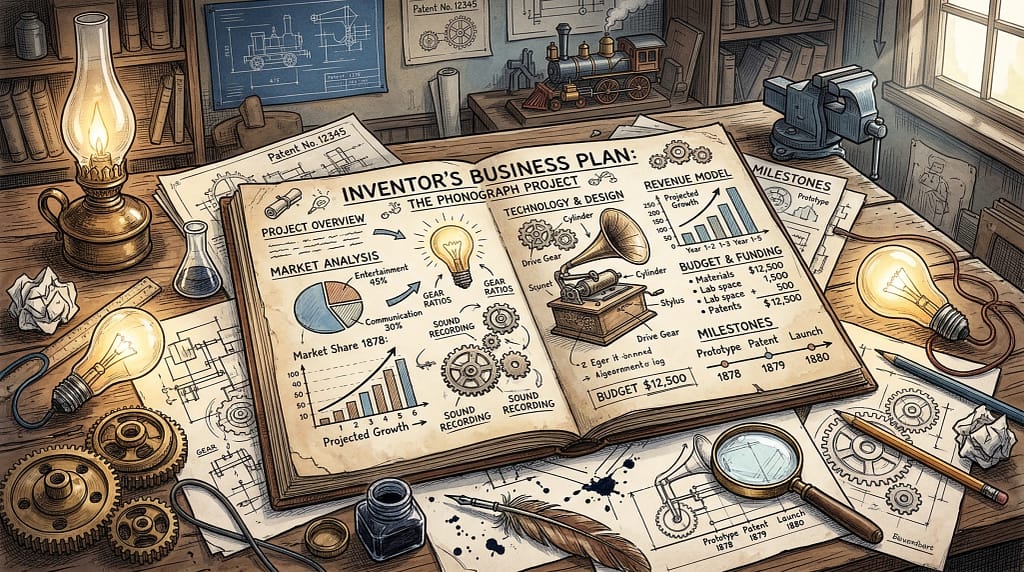
I might feel overwhelmed when starting from scratch, especially if this is a new process for me. This guide breaks down the parts of a business plan designed just for inventions, so I can approach each step with clarity and confidence. By following these practical instructions, I can set up my invention venture on a solid foundation. Plus, understanding these steps will help avoid getting lost or missing opportunities as I move forward with my idea.
Get Clear on My Invention
I need to start by understanding exactly what my invention is and why it matters. This section sets the stage for the rest of my business plan.
Questions to Consider:
- What problem does my invention solve?
- What makes it different or better than what’s already on the market?
- Who will benefit most from it?
- What key features or functions make it special?
Example Summary:
- Invention: A portable device that filters air for allergy sufferers.
- Target User: People who live in cities and struggle with allergies.
- Why It’s Useful: Easier to use and more affordable than large air purifiers.
A clear invention description gives me the starting point for the rest of my plan. When I can explain what my invention does and who it helps in just a few sentences, I’m more likely to attract interest and get useful feedback. I may also stumble upon other uses or markets while writing this part, which can be a helpful bonus.
Research the Market
Before investing time and money, I want to know if people actually want what I’m inventing. Market research helps me avoid surprises and make wiser decisions.
How I Gather Info:
- Look up similar inventions or competing products online.
- Identify how many people face the problem my invention solves.
- Use surveys or informal interviews to see if others like my idea.
Key Market Questions:
- Is there a real need or demand?
- Who are my main competitors?
- What price do people pay for related products?
- Who is my ideal customer (age, location, interests)?
Careful research helps me figure out if my invention fills a real gap and how I might position it in the market. For example, reading product reviews on similar items gives me clues about what buyers love or complain about. Checking forums and social media can turn up unexpected trends or needs. Truly digging into my market arms me with facts that keep me from guessing later on.
Protect My Idea
I want to keep others from copying my idea too soon. I can do this by understanding basic intellectual property steps before sharing details widely.
Protection Options:
- Patents (for new inventions or processes).
- Trademarks (for names or logos).
- Non-disclosure agreements (NDAs) when talking to partners or manufacturers.
What I’ve Learned:
- Filing for a patent may take time and money, but it can protect my invention and make securing funding easier.
- Documenting the development process shows my idea is original.
It’s really important to at least explore some form of protection before revealing my invention publicly. Some inventors choose to talk to a patent attorney or use resources from the government’s patent office. Others keep detailed notes, drawings, and prototypes to help prove their idea is new. Even simple steps like using NDAs can tone down the risk of sharing my idea with outsiders.
Develop the Business Model
Once I know people want my invention and it’s protected, I need to figure out how I’ll make money from it. This part of the business plan covers how I’ll turn my idea into income.
Common Ways to Make Money from Inventions:
- Manufacture and sell it myself (online or in stores).
- License my idea to a company that pays me fees.
- Partner with a manufacturer who sells it and pays me a cut.
Questions I Answer Here:
- How much will it cost to make my invention?
- How much will I sell it for?
- How will I reach my first customers (website, trade shows, retail partners)?
- What resources do I need (money, parts, help)?
Deciding on a business model early gives me a practical path forward. If I sell directly, I control the process and keep more profits, but I take on more risk. Licensing allows me to earn royalties without the headaches of manufacturing. Mapping all this out helps when talking with investors or partners who want to see the big picture.
Outline Marketing and Sales Strategies
I can have an amazing invention, but if no one knows about it, it won’t go far. This section of my business plan lays out how I will attract interest and close sales.
Marketing Steps:
- Build a simple website with photos and descriptions.
- Use social media to show my invention in action.
- Attend events or expos for inventors, makers, or related industries.
- Offer free demos or samples when possible.
Sales Strategy Tips:
- Sell direct to consumers or approach retailers who match my target audience.
- Gather feedback early to adjust pricing or features if needed.
- Collect email addresses for future updates or product launches.
Even if I start small, having a clear plan for marketing and sales helps me move forward confidently. Testing several approaches—like creating a social media campaign or speaking at a local event—can show what works best. The earlier I set up a way to talk with potential customers, the faster I can adjust and grow.
Budgeting and Funding My Invention
Launching an invention always costs something. I need to understand my costs and figure out where the money will come from to avoid getting stuck halfway.
How I Estimate Costs:
- Prototype costs (materials, 3D printing, engineering).
- Legal fees for patents or contracts.
- Marketing (website, booth displays, ads).
- Manufacturing setup (if I want to sell at scale).
Funding Options:
- Personal savings or small loans from family or friends.
- Applying for grants for inventors or small businesses.
- Crowdfunding through sites like Kickstarter or Indiegogo.
- Angel investors or partners with resources in my field.
Understanding all costs makes it easier for me to ask for the right amount of money and track spending as I grow. Creating a budget spreadsheet or template is a smart move, even for solo inventors. If I track every expense along the way, I’m less likely to be surprised by extra costs or run out of funds before launch day.
Planning Operations and Next Steps
This is where I map out what needs to happen after my plan is written. I need a realistic plan to move from my idea to a working product that’s ready for buyers.
Short-Term Steps:
- Finish the prototype and have people test it.
- Make adjustments based on feedback.
- Line up manufacturers or partners if I’m not producing myself.
Long-Term Steps:
- File for a full patent if initial response is good.
- Ramp up marketing as launch approaches.
- Set goals for sales, feedback, and possible improvements.
Breaking tasks into smaller chunks helps me keep moving and adjust if something doesn’t work out as planned. Having a timeline is helpful, so I can track progress, celebrate small wins, and stay motivated even if I hit a few bumps along the way.
Frequently Asked Questions About Business Plans for Inventions
Do I need a business plan if I just want to license my invention?
Yes, a short business plan helps show companies and investors I’m prepared and have thought through all the details. Even if I don’t run a business myself, a plan adds credibility.
How detailed does my prototype have to be for a business plan?
It doesn’t need to be perfect, but I need something that shows the main idea and how it works. Photos, sketches, or videos can help if the real thing is not finished yet.
Should I try crowdfunding?
Crowdfunding is a good way to raise money and test interest, but it takes a lot of effort and planning. I make sure I have a prototype, a story, and a way to deliver rewards if I reach my goal. It’s also smart to research successful crowdfunding projects in my niche for inspiration and tips.
Action Steps to Get Started
- Write a short summary describing my invention and who it helps.
- Spend a few hours researching possible competitors and similar products.
- Sketch a simple plan to protect and share my idea safely.
- Think about who will buy my invention and how I’ll reach them.
- Add up costs, look for options for funding, and create a schedule for the next steps.
Making a business plan for my invention gives me direction and helps me spot challenges early. With each step, I bring my idea closer to making a real difference in the world. Setting targets and being open to feedback lets me grow as an inventor and entrepreneur. Bottom line, having a plan in place makes success more likely and helps make my invention dream a reality.
Protect your invention on Amazon
Business plan on Amazon
Fund invention Idea on Amazon