
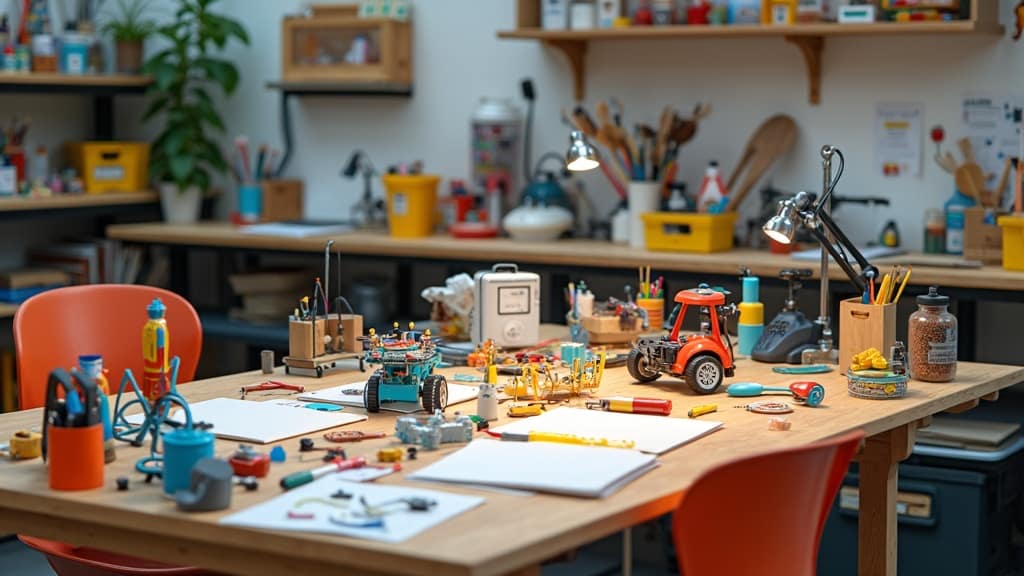
Resources For Young Inventors
Kids and teens who are passionate about inventing often feel a mix of excitement and uncertainty. There’s plenty of curiosity and inspiration, but finding help to make those ideas real isn’t always obvious. I’ve spent time checking out programs, toolkits, and communities, so I put together this guide to help young inventors find the support they need at every stage of their adventure.
Top Resources for Young Inventors
The world has plenty of places offering guidance, tools, and opportunities for those who dream up new solutions. These resources are worth checking out, from school programs to online communities and competitions. The number of inventionfocused opportunities has grown in recent years, which is great for anyone getting started.
Lots of schools now run special classes in STEM (science, technology, engineering, and math). Whether it’s a science fair or a makerspace at the public library, these are places where inventors can find tools, advice, and even funding for bigger ideas. Community makerspaces, hackathons, and invention clubs have appeared in many cities and towns, giving young people access to 3D printers, laser cutters, and other nextlevel cool tech without breaking the bank.
Nonprofit groups and online platforms also work hard to bring kids together to share projects or enter invention contests. Groups like LemelsonMIT, FIRST Robotics, and the Invention Convention give young inventors a spot to show off their ideas, make friends, and learn from others.
Even homeschooled inventors can find resources—many local libraries or STEM programs open their doors to all kids, regardless of school status. Online invention camps let students team up across different places, breaking down barriers due to geography or school rules.
Get Started as a Young Inventor
Brainstorming new ideas comes naturally to a lot of kids and teens. Turning those ideas into real prototypes requires some extra steps. Here’s how to kick off an invention project, drawing on some resourceful options:
- School Based Programs: Many schools have afterschool STEM clubs or host science fairs where students can present prototypes or models. Teachers and mentors often answer questions, offer suggestions, or help gather inexpensive materials for testing ideas.
- Online Learning Platforms: Sites like Tinkercad, Scratch, and Instructables have free tutorials for electronics, coding, 3D modeling, and building different machines. Whether you’re a beginner or more experienced, these tools can help you advance at your own pace.
- Public Libraries and Community Workshops: Some libraries offer STEM kits or run summer camps focused on inventing. Community centers and makerspaces sometimes do the same, inviting inventors of all ages to try out real tools in a supportive environment.
Don’t hesitate to ask local librarians about programming—they often know about upcoming workshops or loanable gadgets. Some even provide special invention nights or traveling “maker kits” for students to check out and take home.
StepbyStep Guide: Resources Every Young Inventor Should Know
With so many resources around, it’s easy to feel overwhelmed. Here’s a basic roadmap for budding inventors, with the resources that help at every point:
- Start with Inspiration: Watch invention documentaries, read biographies of famous inventors, or track down channels like TedEd or Mark Rober on YouTube. These give a good sense of what’s possible and can really spark creativity.
- Spot a Problem: Programs like Project Invent show simple ways to notice reallife problems that need solving. Keeping a journal or brainstorming with others can help focus your ideas.
- Get the Tools and Templates: The LemelsonMIT Invention Toolkit or the Kid Inventors’ Handbook provide free worksheets, templates, and guides to break down planning an idea into easier steps.
- Sketch, Build, and Try Again: Use lowcost craft supplies, electronic kits like Snap Circuits or LittleBits, and cardboard prototyping. For digital design, Tinkercad is friendly for beginners and fun to mess around with if you’ve never tried digital modeling before.
- Share and Improve: Sites like Instructables, Make: Community, or Hackaday welcome all ages and offer feedback, so you can learn from other inventors. Science fairs, invention conventions, and online competitions are good places to share your projects and collect helpful advice from judges and peers.
Tapping into these resources makes it easier for anyone to go from “I have an idea” to “I actually built something!”
What to Keep in Mind Before Jumping Into Inventing
Inventing always comes with some speed bumps. Here are a few common challenges—and pointers for moving past them:
- Limited Access to Tools or Materials: Not everyone has access to a 3D printer or advanced software. In those cases, community makerspaces and libraries can be lifesavers. Many now loan out kits or equipment, making things more affordable.
- Checking What’s Out There: Before putting lots of time into an idea, check to see if something similar already exists. Simple internet searches, Google Patents, and chatting with library staff can give you a clearer sense of what’s original.
- Handling Setbacks: Not every prototype works right the first time. Staying plugged into inventor communities or clubs can make challenges feel smaller with encouragement and troubleshooting help.
- Finding Funding: Some materials are pricey. Schools, local groups, and small business programs sometimes sponsor promising ideas or teams. Crowdfunding, with adult help, is another choice for raising money for supplies.
Tool Access and Community Support
The right tools are a huge asset. If your school doesn’t have much, reach out to libraries, community colleges, or makerspaces in your area. Sometimes, hardware stores or university departments might even loan equipment or donate scraps for building models. Social media groups focused on inventing are also great for swapping tips or finding inexpensive materials.
Look Up Existing Ideas
It can be discouraging to run into a similar invention. Checking patent databases and invention showcases early on can save heartbreak and also spark new solutions. Some teachers and librarians show students how to do basic patent searches for free—it’s well worth asking about.
Get Through Obstacles
It’s totally normal to hit a rough patch. In my experience, young inventors with a mentor, teacher, or peer group usually bounce back stronger and with new directions to try. Many invention camps and weekend events offer virtual meetups, letting students connect even if no one local shares their interest.
LevelUp Tips and Tricks for Young Inventors
After you get a few projects under your belt, try these tips to keep growing your skills:
Get Good at Rapid Prototyping: Learn to quickly create and test new versions. Cardboard, LEGOs, recycled plastic, and free software like Tinkercad help you speed things up and solve problems on the fly.
Check Out Intellectual Property Basics: You don’t need a patent for most school projects, but learning how ideas get protected is smart. The USPTO Kids section explains it all in a friendly, easytounderstand way.
Join Youth Invention Challenges: National contests like Invention Convention and ExploraVision offer mentorship, prizes, and the chance to present your project to judges and industry guests. These events can link you up with scientists, engineers, or working inventors.
Track Your Progress: Keeping an invention notebook—whether handwritten or digital—lets you log ideas, steps, revisions, and what you learn. It will help when talking to mentors, signing up for competitions, or just figuring out what worked best.
Following these routines helps young inventors get organized, learn from setbacks, and get connected to all sorts of creative people. As you get better, reaching out to mentors outside your usual circles (like pro engineers or local business owners) is a great move and might even open up opportunities for future internships or scholarships.
Best Starter Kits and Essential Tools
The right starter kits and tools can make inventing less stressful and way more rewarding. Kits like littleBits, Snap Circuits, and Arduino Starter Kits are userfriendly and don’t require prior experience. Tinkercad and Scratch are free tools for modeling and coding, perfect for beginners.
Launching a project with these kits means it’s simpler to test ideas and see results fast. Plus, they include tons of sample projects to spark fresh thinking or get you past creative blocks. Many competitions and clubs share recommended kits or arrange discounts for new inventors.
- LittleBits: Snaptogether electronic modules, awesome for inventors who want to avoid tricky wiring.
- Snap Circuits: Electronic building blocks that click into place, perfect for learning wiring basics.
- Arduino Starter Kits: Microcontroller sets for inventors ready to try coding projects and robotics.
- Tinkercad: Webbased 3D design tool that’s intuitive and accessible.
- Scratch: Draganddrop digital platform for games, animation, or robotics coding.
Starter kits and tools like these are affordable, available online or in stores, and usually supported by big tutorial libraries or active online forums. Young inventors can connect, troubleshoot, or get inspired at any time.
Frequently Asked Questions
Youth inventors and their families often ask the same things. Here’s a quick roundup:
What should I do if I don’t have fancy equipment?
Answer: Get creative with what you have—cardboard, tape, recycled parts, and borrowed tools can work wonders. Libraries and online forums might offer free access to higherpriced tech.
How do I find other kids who like inventing?
Answer: Try local or online invention and maker groups, sign up for youth science fairs, or check in with teachers who may know about afterschool programs.
Is there a way to protect my invention idea?
Answer: For most student inventors, keeping a wellorganized notebook is plenty. For bigger projects or business plans, look up the USPTO website for youthfriendly guides to patents and copyrights.
Wrapping Up
There are so many resources ready to help kids and teens invent, build, and share their creative solutions. By making use of these programs, toolkits, and communities, young inventors can go from sketching in a notebook to a working prototype—and maybe even solve a big problem or earn some recognition in the process.
Start exploring what’s available in your local community and online. You’ll stumble upon inspiration, practical tools, and a supportive network of people ready to help bring your inventions to life.
Fund invention Idea on Amazon
Business plan on Amazon
Protect your invention on Amazon
Make your own inventive corner
Ready to start your own website and share your passion with the world? Join me and unlock step-by-step training to build your online presence just like I did! Use my links if you want me as your coach!