Essential Tools For Inventors
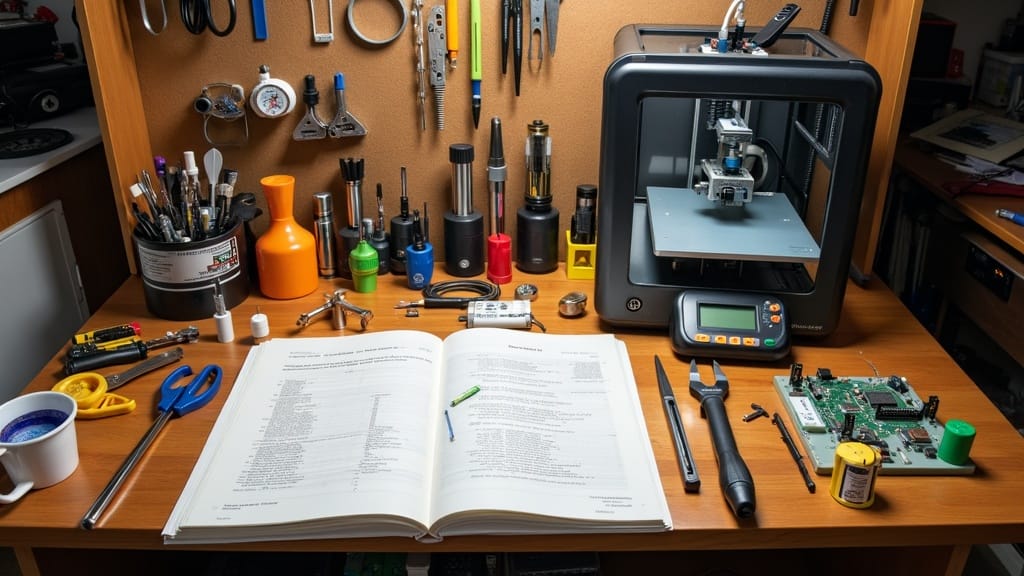
Bringing an invention to life is a rewarding experience, but real progress usually depends on the tools you keep close at hand. Whether you’re tinkering at the kitchen table or have a full workspace in your garage, using the right combination of tools is a smart choice for anyone hoping to turn their ideas into real-world projects. In this article, I’ll walk you through the essentials I keep in my own inventor’s toolkit. I’ll also share thoughts on why these tools matter, things to keep in mind when picking them out, and how just a few extra items can seriously speed up the ride from idea to prototype.
Foundational Tools for Home Inventors
Getting started as an inventor feels much easier when you round up a few go-to tools to handle the basics. These starting items help you cut, shape, and join materials—and measure out parts with confidence. With these tools in hand, a simple sketch can quickly take shape as a physical model, letting you test ideas for fit and function before committing to advanced tech or outsourcing prototype work.
- Measuring tape and digital calipers: Sketching on paper is helpful, but double-checking real-world dimensions is essential. Digital calipers provide much more accurate readings for parts that have to fit just right.
- Utility knife and assorted hand saws: Cutting cardboard, wood, or foam is a normal part of prototyping. A utility knife adds precision for detailed work, while hand saws let you tackle basic cuts in wood or plastic.
- Cordless drill with bit set: Making holes for fasteners or shaping pieces is a breeze with a good drill. Interchangeable bits let you work with wood, metal, or plastic depending on your needs.
- Screwdrivers, pliers, and clamps: Assembling test builds or holding pieces steady while adhesives dry is simpler when you’re not reaching for makeshift solutions every time.
Jump Into Digital Design and Rapid Prototyping
Inventors today have access to some next-level cool tech that makes the move from idea to prototype much smoother. Using digital design software and rapid prototyping equipment like 3D printers reduces the guessing and opens your projects to much more precise tweaks and improvements.
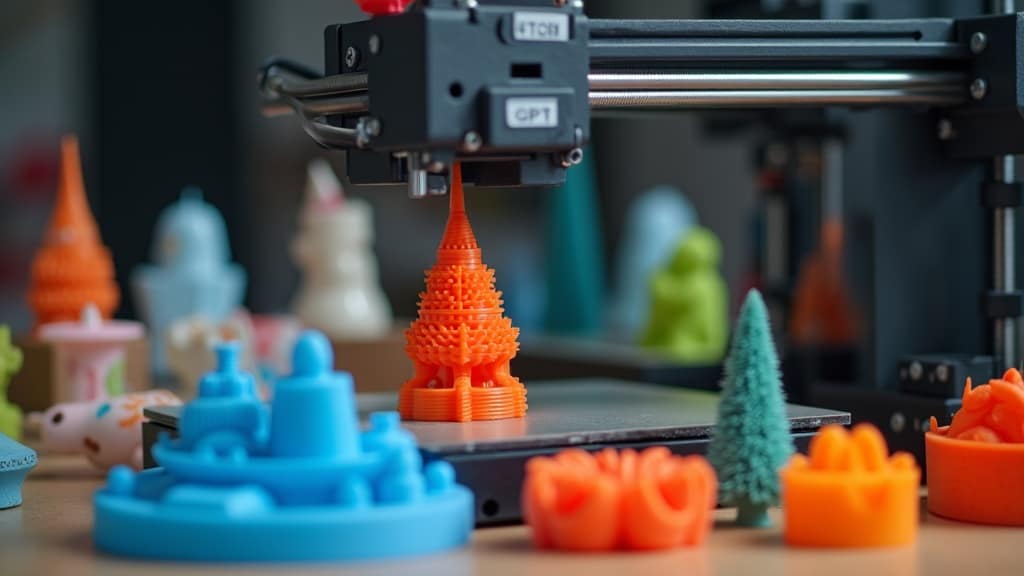
- 3D printer: Producing rough models, snap-together pieces, or even full working prototypes is much quicker with a 3D printer. Basic desktop models are more affordable than ever, and with online tutorials, you don’t need to be a pro to start.
- CNC router or laser cutter access: Many inventors use local makerspaces for occasional use of these pricier machines. Laser cutters allow for crisp cuts in wood, acrylic, or cardboard, while CNC routers carve out shapes in tougher materials like aluminum or hardwood.
- CAD software: Computer-aided design tools let you sketch plans on-screen before making a single cut. Free or budget-friendly programs are available for beginners and experienced users alike, helping you refine parts and prep for 3D printing.
Electronics and Testing Supplies
These days, most inventions include at least a dash of electronics, even if it’s just a light-up feature. Having some starter components and basic electronic tools gives you an edge in testing ideas, experimenting, and even troubleshooting before moving to your finished products.
- Breadboards and jumper wires: Setting up switch circuits, LEDs, or basic sensors is a snap using solder-free breadboards.
- Soldering iron and solder: Once your circuit works, soldering keeps the connections solid and reliable. These tools also help with fix-ups or reconfiguring older prototypes.
- Multimeter: Checking battery life, spotting shorts, or running diagnostics on your latest design is much simpler when you have a solid multimeter nearby.
Tips for Selecting and Organizing Your Toolkit
Choosing quality tools over lots of cheap ones saves you tons of hassle later. I started with a basic kit, then added or swapped tools as I stumbled upon what I actually used the most. The best investments are tools that can handle heavy use or pull double duty for different projects rather than grabbing specialty gear you might never use.
- Focus on multipurpose tools first: Adjustable wrenches and combo squares are helpful in tons of situations and give you flexibility without needing to buy extras early on.
- Stay organized from day one: Labeled bins and portable toolboxes keep small parts easy to find and save hours of searching for missing pieces.
- Add gear as your projects grow: You might not need a Dremel rotary tool, heat gun, or digital microscope at first, but you’ll appreciate them as your builds become more intricate.
Key Challenges in the Inventing Process
Most inventions don’t leap straight from concept to finished product. In my experience, little setbacks crop up with nearly every build—details not fitting as expected, pinpointing errors, or waiting on parts delivery can all slow your momentum. While the right tools help you avoid many headaches, your mindset matters a lot too.
- Material compatibility: Test glue or fastener types on scrap before trying them on your main build to avoid ruining the whole piece if things don’t go as planned.
- Lack of experience with advanced gear: Trying new tools is a part of the game, but looking up tutorials and doing practice runs on leftovers can teach you plenty before you risk your real project.
- Patience through repeat attempts: Prototypes rarely work perfectly on the first shot. Be ready for trial-and-error, and keep extra materials handy for versions two or three.
Material Compatibility
Each material responds differently, and what works for one might fail with another. Some glues that handle wood won’t stick to metal or some plastics. Take a moment to test on a small piece—simply glue, press, and tug until you know what holds. The same goes for paint, coatings, or fabrics you use in your invention.
Get Comfortable with Advanced Tools
Power tools, 3D printers, and electronics can feel daunting. I always read guides and check out YouTube demonstrations before I get into new gear. Practice on spare pieces really helps you get familiar without risking your main project. Consider joining a makerspace—they’re welcoming and give you access to pricier equipment, plus you’ll meet people with useful advice.
Patience and Iterating Designs
Prototyping is rarely a one-and-done thing. You’ll often retune measurements, swap connections, or pick fresh materials. Being flexible and keeping a sense of humor makes these bumps just part of the ride, not stumbling blocks.
Pushing through these challenges does wonders, especially if you’re inventing solo or tackling something new. A solid set of tools and some creative problem-solving can get you past most hurdles along the way.
Upgrade Your Inventor’s Workbench
After landing some successful prototypes, you’ll probably want to upgrade your setup with advanced gadgets. Here’s what’s worth adding as your skill and project scale grows:
- Rotary tool (like a Dremel): Clutch for sanding, trimming, carving, and precise cuts—perfect for tricky details or rounding out edges.
- Digital microscope: Perfect for inspecting solder joints, checking the wear on tiny parts, or spotting circuit issues where close detail matters.
- Vacuum forming machine: If you’re working with plastics, these little machines let you create custom cases or covers without the high cost of custom molds.
- Quality lighting: Better lighting means fewer missed details and less eyestrain—LED panels and task lights brighten up your workspace for safer, more accurate work.
Don’t feel pressured to buy everything up front. Try out new machines or tech as your projects call for them, not just because they look next-level cool in a catalog. Networking with fellow inventors is great for trading tips and sometimes for pooling resources or sharing equipment, too.
Common Inventor Questions
Curiosity is at the heart of inventing, so naturally there are some questions everyone seems to ask sooner or later. Here are a few I hear time and time again:
Question: Can I build a decent prototype without a ton of pricey tools?
Answer: Definitely. Quality hand tools, clever material reuse, and using a local library or makerspace for 3D printing help you go from sketch to working prototype for less than you’d imagine.
Question: What should I look for in a 3D printer that fits my projects?
Answer: Start by sizing up the build volume you need, the material compatibility (PLA or ABS plastics work for most), and if you’d prefer plug-and-play machines or don’t mind some adjusting. Check out online communities for reviews and recommendations on budget-friendly models.
Question: Do I need CAD skills or can I get by with paper and glue?
Answer: CAD lets you try out more advanced prototype ideas, but plenty of iconic inventions began with nothing more than simple sketches and scraps. Expand your abilities as you go—it’s not all or nothing.
Starter Tools Every Inventor Needs
Here’s a list of basic tools that every inventive mind should consider keeping in their toolbox:
- Measuring: Tape measure, ruler, digital calipers
- Cutting: Utility knife, hacksaw, scissors
- Assembly tools: Screwdrivers, pliers set, clamps
- Marking: Fine-tip marker, pencil, chalk
- Prototyping basics: Hot glue gun, allpurpose adhesive, breadboard
Jumping in with these essentials means you can start building right away without blowing your budget. You can bring in niche or high-tech gear later as your ambitions grow.
Practice Good Habits and Safe Inventing
Safety should always come first. Avoid putting your hands near cutting blades, use safety glasses, and unplug power tools before making adjustments. Ventilate your workspace when dealing with adhesives or soldering. Keeping a fire extinguisher nearby is always smart. Reading manuals and learning a bit about safety keeps inventing fun rather than stressful, letting you spend more time on what matters: building your next project.
Getting hands-on and making plenty of small mistakes often leads to your best discoveries. So don’t worry about every bump along the road. With a simple toolkit, steady practice, and some old-fashioned experimenting, any inventor can bring their wildest ideas to life—no matter where you start.
Shop Tips
Inventor Tools on Amazon