
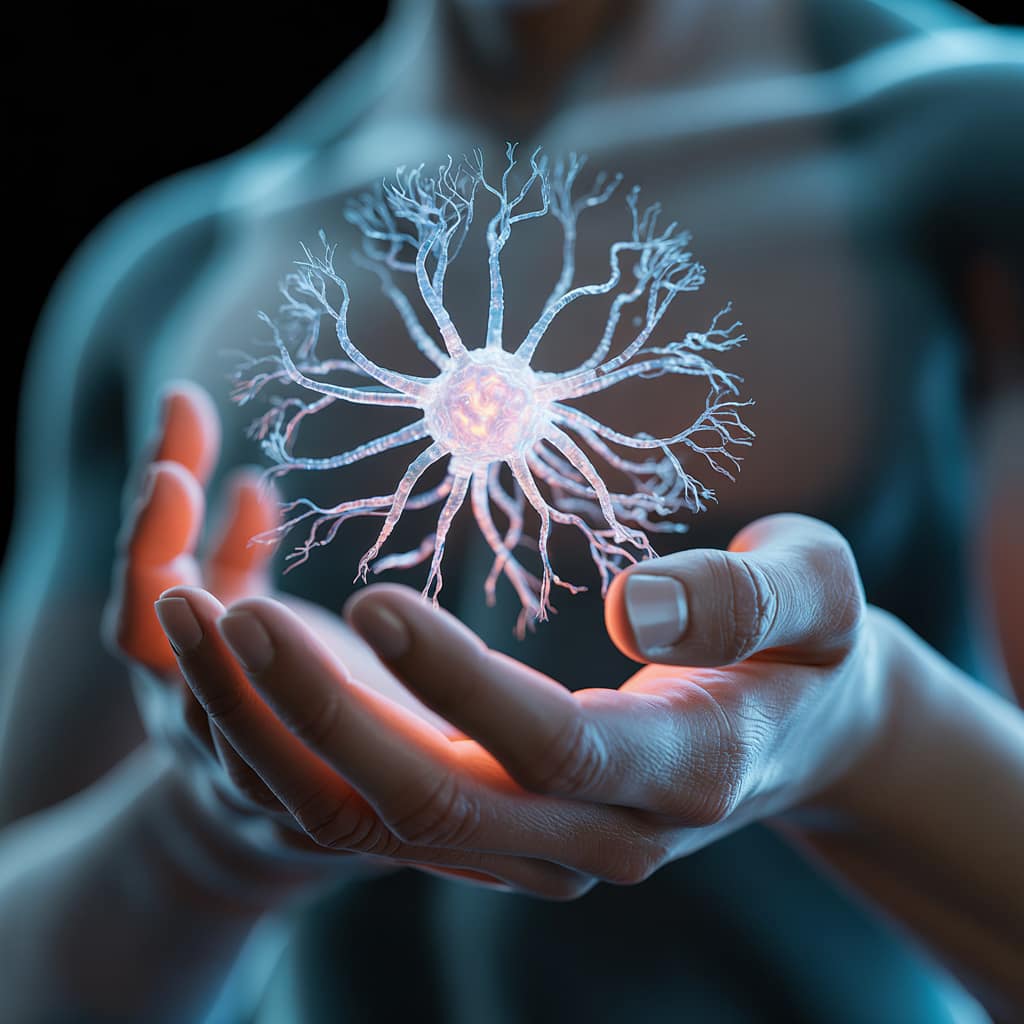
Coping and Managing Peripheral Neuropathy
Neuropathy, often referred to as peripheral neuropathy, is a condition resulting from damage to the peripheral nerves, which are the nerves outside the brain and spinal cord. It can affect sensation, movement, and autonomic functionsdepending on which nerves are involved.
Medical disclaimer: this article is for informative purpose only, not a medical advice. Always consult your doctor for medical advice.
🔍 Causes of Neuropathy
Neuropathy can stem from various sources. The most common causes include:
1. Diabetes (Diabetic Neuropathy)
- High blood sugar levels over time damage nerves and blood vessels that nourish them.
- Often affects feet and legs first.
2. Nutritional Deficiencies
- Especially B vitamins (B1, B6, B12), vitamin E, and niacin.
- Alcohol abuse can lead to such deficiencies.
3. Autoimmune Diseases
- Like lupus, rheumatoid arthritis, Guillain-Barré syndrome.
- Chronic inflammation damages nerve tissues.
4. Infections
- Lyme disease, shingles (post-herpetic neuralgia), HIV, hepatitis C.
5. Toxins and Medications
- Chemotherapy, heavy metals (lead, mercury), and certain antibiotics.
6. Inherited Disorders
- Such as Charcot-Marie-Tooth disease.
7. Trauma or Pressure on Nerves
- Carpal tunnel syndrome, herniated discs, or injury.
8. Idiopathic
- In many cases, no clear cause is identified.
🧠 Symptoms
- Tingling (“pins and needles”)
- Burning or sharp pain
- Numbness
- Muscle weakness
- Sensitivity to touch
- Lack of coordination or falls
🛠️ Coping and Management Strategies
👨⚕️ Medical Management
- Diagnosis involves blood tests, nerve conduction studies, and imaging.
- Medications may include:
- Antidepressants (amitriptyline, duloxetine)
- Anticonvulsants (gabapentin, pregabalin)
- Pain relievers or topical treatments (lidocaine patches, capsaicin cream)
- Treat underlying cause (e.g., controlling diabetes, treating infections)
🥗 Diet & Nutrition
- Ensure adequate intake of B vitamins (B1, B6, B12), magnesium, and omega-3 fatty acids.
- Avoid alcohol and processed sugars.
- Herbs like turmeric (curcumin), alpha-lipoic acid, and evening primrose oil may reduce symptoms.
🏃 Kinesiology & Physical Therapy
- Helps maintain strength, improve balance, and reduce pain.
- Techniques include:
- Stretching and resistance training
- Balance exercises
- Massage therapy and electrical stimulation
🧘 Lifestyle & Self-Care
- Regular low-impact exercise (e.g., swimming, walking)
- Stress reduction (yoga, meditation)
- Good foot care (especially for diabetics)
- Wearing protective footwear
🌿 Complementary Herbal Approaches
- St. John’s Wort (nerve pain)
- Cayenne pepper (capsaicin topical use)
- Ginkgo biloba (improves circulation)
- Lion’s Mane mushroom (nerve regeneration support)
⚠️ Medical Disclaimer
Always consult a qualified healthcare provider before beginning or changing any treatment. Herbal remedies can interact with medications or underlying conditions.
🧠 Restoring the Myelin Sheath (Myelin Field)
Let is touch on cutting-edge neuroregenerative approaches, especially around myelin repair, nerve growth stimulation, and bioactive compounds that support the nervous system.
Let’s break these down clearly with the latest scientific and holistic insights:
The myelin sheath insulates nerve fibers and allows fast, efficient signal transmission. Damage to this sheath is central to many neuropathies.
🔄 How to Restore the myelin sheath
🌿 Nutrients & Compounds that Support Remyelination:
- Choline (from egg yolks, liver, soy): Essential for producing phosphatidylcholine, a key component of myelin.
- Vitamin B12: Critical for myelin formation and maintenance.
- Omega-3 Fatty Acids (DHA/EPA): Supports nerve structure and repair.
- Uridine: Found in beets, sugarcane; boosts brain phospholipid synthesis.
- Lion’s Mane Mushroom: Stimulates nerve growth and potentially remyelination.
🌟 Nerve Growth Factor (NGF)
NGF is a protein that helps neurons survive, regenerate, and grow — especially in the peripheral and central nervous systems.
🔬 How to Boost NGF Naturally
🧬 Dietary Sources & Bioactive Compounds:
- PEA (Palmitoylethanolamide):
- Found in egg yolk, peanuts, soybeans.
- A natural anti-inflammatory lipid that supports nerve health and pain relief.
- Enhances NGF activity indirectly.
- Curcumin (Turmeric):
- Increases NGF expression.
- Best absorbed with black pepper (piperine).
- Ashwagandha:
- Stimulates NGF in brain tissue.
- Green Tea (EGCG):
- Promotes NGF expression and antioxidant protection.
- Lion’s Mane Mushroom:
- Contains hericenones and erinacines, compounds shown to directly stimulate NGF production.
🌿 Phytoserenity (Calm + Nerve Support)
While not a clinical term, “Phytoserenity” suggests plant-based compounds that support calm nerves and neurobalance.
🌱 Top Herbal/Nutritional Agents for Phytoserenity:
- Passionflower, Skullcap, and Lemon Balm: Nervine tonics for calming overactive nerves.
- Magnesium Glycinate: Relaxes muscles and nerves.
- GABA-rich Foods: Fermented foods, green tea.
- Adaptogens: Rhodiola, Ashwagandha – help with stress-related neuropathy.
- CBD (Cannabidiol): Neuroprotective and calming.
🧪 Summary Table
Rederence : Unlocking the secrets of myelene repair (Stanford University)
| Focus | Key Compounds | Sources |
| Myelin Repair | Choline, B12, Omega-3, Uridine | Egg yolk, liver, fish, flaxseeds |
| NGF Boost | PEA, Lion’s Mane, Curcumin, Ashwagandha | Peanuts, turmeric, green tea |
| Phytoserenity | Passionflower, Magnesium, CBD | Herbal teas, seeds, leafy greens |
🧪 Herbal Formulation (Daily Use)
Here’s a holistic herbal‑and‑lifestyle regimen for nerve repair (especially peripheral neuropathy) from the combined perspectives of neurology, dietetics & kinesiology — but importantly, this is not a substitute for medical care. Always coordinate with your neurologist/physician (especially if you’re on medications or have comorbidities).
This is a suggested base formula (to discuss with your provider) combining botanicals + nutrients that show supportive evidence in nerve‑health, inflammation & myelin support.
Key ingredients
- Alpha‑Lipoic Acid (ALA) — 300‑600 mg daily: antioxidant support, small studies show benefit in neuropathy. Mayo Clinic+1
- Acetyl‑L‑Carnitine — 500‑1000 mg daily: for nerve repair & pain reduction in some studies. MedicalNewsToday+1
- Omega‑3 Fatty Acids (e.g., fish oil with EPA/DHA) — ~1‑3 g daily: supports nerve membrane health & anti‑inflammation. The Foundation for Peripheral Neuropathy+1
- Vitamin B12 + full B‑complex (B1, B6, B9) if deficient: nerve maintenance, myelin repair. MedicalNewsToday+1
- Magnesium — ~200‑400 mg daily (as glycinate or malate): helps nerve excitability, benefit noted in nerve health. The Foundation for Peripheral Neuropathy+1
- Botanical herbs:
- Curcuma longa (turmeric/curcumin) — ~500‑1000 mg curcumin extract with black‑pepper for absorption: anti‑inflammatory, may support NGF and nerve health. SpringerOpen+1
- Hericium erinaceus (Lion’s Mane mushroom) — e.g., 1‑2 g dried extract daily when available: known for nerve growth factor (NGF) stimulation in preclinical models.
- Withania somnifera (Ashwagandha) — root extract ~300‑600 mg daily: adaptogenic, nerve‑supportive, potential NGF up‑regulation.
- Palmitoylethanolamide (PEA) — if available via supplement under physician guidance: lipid mediator with emerging evidence in neuropathic pain/myelin repair. Wikipedia+1
Sample Daily Regimen (to tailor with your provider)
- Morning:
- B‑complex + B12
- Omega‑3 (fish oil)
- ALA
- Curcumin (with black pepper)
- Midday:
- Lion’s Mane extract (if used)
- Ashwagandha
- Evening:
- Acetyl‑L‑Carnitine
- Magnesium (glycinate)
- PEA (if indicated)
- Throughout the day:
- Drink ample water (aim for 30‑35 mL/kg body weight)
- Eat rich in choline (egg yolks, soybeans), healthy fats (avocados, olive oil, nuts), colourful vegetables for antioxidants.
- Gentle movement/exercise (see next section)
Important Notes & Safety
- Herbs & supplements may interact with medications (e.g., blood thinners, anti‑diabetics, immune modulators). Always check with your specialist.
- Dosages above are general suggestions; individual needs vary largely by weight, kidney/liver function, co‑morbidities.
- As the evidence for many herbal interventions is still limited(especially high‑quality RCTs) in neuropathy, view them as adjunctive rather than standalone cures. PMC+1
- If you experience new symptoms (strong burning, weakness, foot ulcers, sudden onset), stop self‑treatment and seek urgent medical review.
🏃 Lifestyle & Movement Regimen for Nerve Repair
Recovery/improvement of nerve health isn’t just supplements – the body, circulation & nervous system need support.
Daily/Weekly Movement Plan
- Daily: 20‑30 minutes of low‑impact movement such as walking, swimming or cycling (improves circulation to peripheral nerves).
- 3‑4x/week: Strength‑training with light resistance bands focusing on legs, core, upper body: maintains muscle and supports nerve‑to‑muscle signals.
- Balance & proprioception (especially if neuropathy affects feet): e.g., standing on one leg, heel‑to‑toe walk, using a balance board 5‑10 mins.
- Stretching & mobility: 10‑15 minutes after exercise focusing on calves, hamstrings, feet/ankles to reduce nerve entrapment and improve flexibility.
- Foot care: for neuropathy in feet – check feet daily for cuts/ulcers, wear supportive, well‑fitting shoes, avoid walking barefoot on hard surfaces.
Additional Supportive Habits
- Manage blood sugar (if diabetic): tight but safe control helps prevent further nerve damage.
- Quit smoking: Smoking impairs circulation to nerves. MedicalNewsToday
- Limit alcohol: Excess alcohol can worsen neuropathy and deplete B‑vitamins.
- Sleep hygiene: Aim for 7‑8 hrs uninterrupted; poor sleep impairs repair processes.
- Relaxation/stress reduction: Chronic stress can increase inflammation & worsen nerve pain → yoga, meditation, breathing exercises help.
- Temperature therapy: Warm foot baths or hydrotherapy can improve circulation and ease symptoms. Verywell Health
🚫 What to Avoid or Minimize
- High‑glycemic / processed foods: Simple sugars, white bread/pasta, processed snacks – contribute to inflammation and worsen neuropathy. MedicalNewsToday
- Excessive alcohol: As above.
- Smoking: As above.
- Overuse of feet/pressure injuries: If you have neuropathy in feet, avoid repetitive trauma to feet (standing all day on hard surfaces without breaks).
- Certain toxins / medications (if avoidable): Some chemo agents, certain antibiotics or heavy metals can cause or worsen neuropathy — review with your physician.
- Skipping doctor visits: If neuropathy is progressive, worsening, or there are signs of infection/ulcer (especially in feet), you must see specialist care.
- Relying solely on “natural finishes”: Because evidence is still emerging, herbal/supplement approaches must accompany standard care (e.g., neurologist management, controlling underlying disease).
🎯 Goals & Monitoring
- Set measurable goals: e.g., “reduce burning/tingling by 30% in 12 weeks”, “improve one leg strength exercise by 10%”, “balance time improved by 15%”.
- Monitor labs: B12, magnesium, HbA1c (if diabetic), lipid panel, liver/kidney function (especially if using supplements).
- Digital diary: daily symptom log (pain/tingling/numbness), foot inspection, movement minutes, supplement taken → helps track progress and adjust.
- Re‑evaluate every 3 months: with your neurologist or specialist to assess nerve conduction, symptom improvement, need for therapy change.
✅ Final Thoughts
This regimen is designed to support nerve repair alongsideconventional medical care. The evidence for botanicals is promising but not conclusive; many studies report benefit but with caution due to low quality or small size. PMC+1
🧾 Integrative Support Formula for Peripheral Neuropathy
Here’s a professional-style herbal + supplement prescription draft you can bring to a pharmacist, naturopath, or integrative healthcare provider. This is formatted for discussion and compounding, not as a legal prescription.
Always ensure it’s reviewed and approved by a licensed provider.
Patient: [Insert patient name]
Date: [Insert today’s date]
Requested by: [Your name or provider]
Purpose: Support of peripheral nerve regeneration, reduction of neuropathic pain, and enhancement of myelin repair through nutraceutical and botanical agents.
🧪 Formulated Capsules / Powders / Daily Packs
Compounded Daily Dose (Split AM/PM or as Tolerated)
| Ingredient | Form | Suggested Daily Dose | Function |
| Alpha-Lipoic Acid | Capsule / powder | 600 mg | Antioxidant, improves nerve function |
| Acetyl-L-Carnitine | Capsule / powder | 1,000 mg | Nerve regeneration, energy metabolism |
| Palmitoylethanolamide (PEA) | Capsule | 600 mg | Neuroprotective, pain-relief |
| Curcuma longa (Curcumin) | Extract w/ piperine | 500 mg | Anti-inflammatory, supports NGF |
| Hericium erinaceus | Std. extract powder | 1,000–2,000 mg | Lion’s Mane mushroom – NGF stimulation |
| Withania somnifera | Root extract | 600 mg | Adaptogen, NGF potentiator |
| Magnesium Glycinate | Capsule / powder | 400 mg | Neuromuscular calming, reduces excitability |
| Vitamin B-complex | With active forms | Daily dose as per label | Myelin support, nerve health |
| Omega-3 (EPA + DHA) | Softgel / oil | 2,000 mg (EPA+DHA) | Myelin support, anti-inflammatory |
🧴 Optional Topical/Adjuncts
| Formulation | Use | Notes |
| Capsaicin 0.075% cream | Apply 2x daily to feet | Nerve desensitization; avoid open wounds |
| Magnesium oil / foot soaks | Evening use | Muscle/nerve relaxation |
| CBD cream (Broad-spectrum) | Apply to affected areas | Anti-inflammatory, pain modulation |
🔎 Monitoring & Duration
- Recommended trial: 12 weeks minimum with reassessment.
- Monitor for interactions if patient is on anticoagulants, diabetic meds, or SSRIs.
- Labs to consider: B12, folate, renal/hepatic panel, fasting glucose/A1C if diabetic.
⚠️ Cautions
- PEA and Curcumin may interact with NSAIDs, anticoagulants, and immune therapies.
- Hericium may not be suitable for mushroom-sensitive individuals.
- Ashwagandha contraindicated in hyperthyroidism or autoimmune flare-ups unless cleared.
Pharmacist/Compounding Notes:
- Please use standardized extracts with quality assurance.
- Use vegan capsules if patient is plant-based.
- Consider daily dose sachets or AM/PM packs for adherence.
This article is informative. Consult your doctor for advice