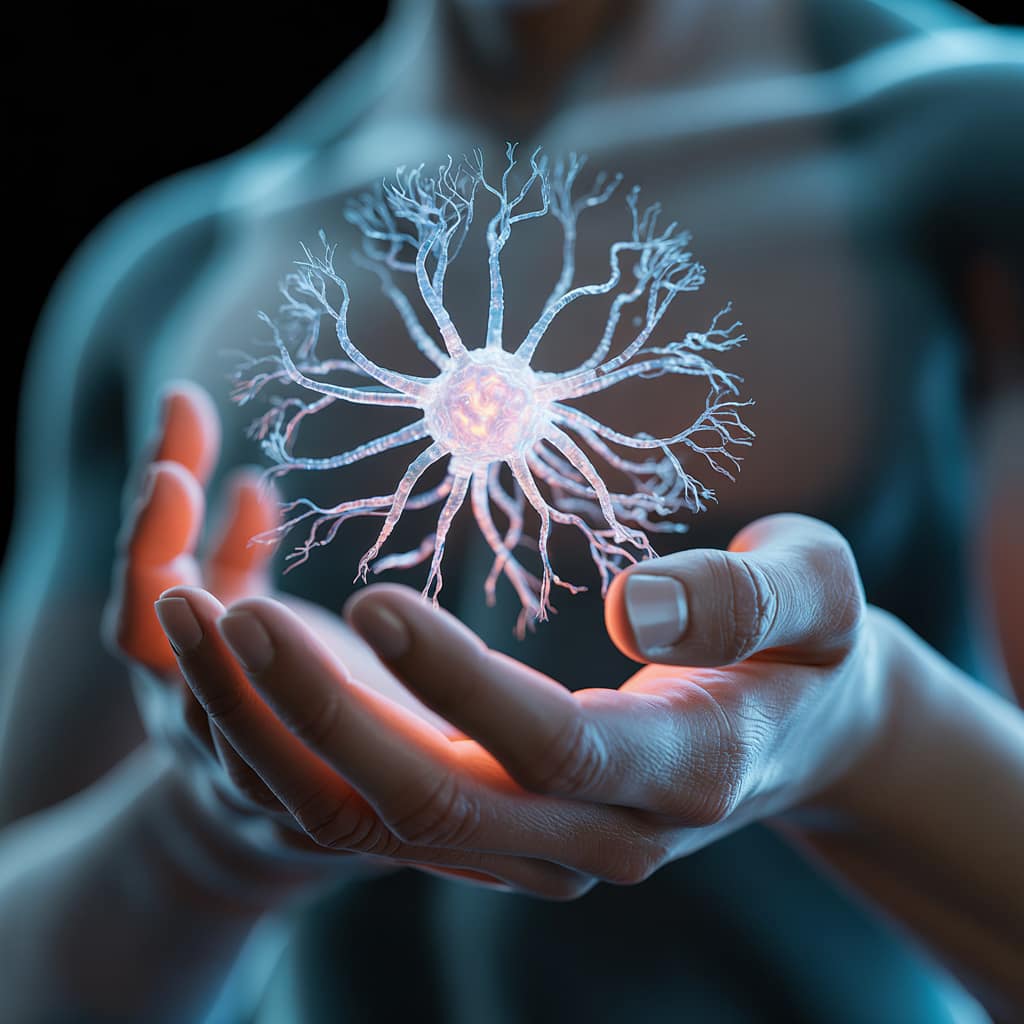

🔍 Alzheimer’s vs. Dementia. Key Differences
| Feature | Alzheimer’s Disease | Dementia |
| Definition | A specific neurodegenerative disease | An umbrella term for cognitive decline symptoms |
| Cause | Caused by brain cell death due to abnormal proteins | Caused by various diseases, including Alzheimer’s |
| Prevalence | Most common cause of dementia (60-80% of cases) | Encompasses multiple disorders like vascular, Lewy body, etc. |
| Symptoms | Memory loss, confusion, difficulty speaking | Symptoms vary based on the underlying disease |
| Progression | Gradual and irreversible | Varies — some types can be stabilized or managed |
| Diagnosis | Based on cognitive tests, biomarkers, brain imaging | Diagnosed through evaluation of symptoms and cause |
🧠 Known Causes & Risk Factors of Alzheimer’s Disease
Alzheimer’s is a complex disease, and its exact cause isn’t fully understood. However, several factors are believed to contribute:
🧬 1. Biological Causes
- Amyloid plaques: Clumps of beta-amyloid protein that build up between neurons and disrupt communication.
- Tau tangles: Twisted fibers of the tau protein inside neurons that interfere with transport systems.
- Neuronal death: Leads to brain shrinkage (atrophy), especially in memory-related areas like the hippocampus.
🧪 2. Genetic Factors
- Early-onset Alzheimer’s (familial): Linked to mutations in genes like APP, PSEN1, and PSEN2. Very rare.
- Late-onset Alzheimer’s: Associated with APOE ε4 allele — a genetic risk factor but not a definitive cause.
🧓 3. Age
- The strongest known risk factor — risk increases significantly after age 65.
🧠 4. Cardiovascular Health
- Conditions like hypertension, diabetes, obesity, and high cholesterolincrease risk.
🧍 5. Lifestyle & Environment
- Lack of exercise, poor diet, smoking, and social isolation are contributing factors.
- Education level and mental activity may also influence risk through the “cognitive reserve” hypothesis.
🧬 6. Inflammation and Immune Response
- Chronic inflammation in the brain and malfunctioning immune cells (like microglia) may accelerate damage.
🌐 Why Gates’ Initiative Matters
The AI prize aims to create tools that can autonomously reason through complex datasets, identifying patterns and insights that human researchers might miss — especially valuable given:
- The multifactorial nature of Alzheimer’s.
- The enormous volume of biological, clinical, and genetic data available.
- The need for precision medicine to personalize treatment and prevention.
Your curiosity is appreciated!