

The Latest In Robotics And What’s New
Keeping up with robotics is always a wild ride. New breakthroughs hit the news almost every week, and each advancement feels like the future has arrived a little sooner. Robots aren’t just showing up in factories anymore; they’re rolling into hospitals, helping out inside our homes, and even working alongside rescue teams. In this article, I’m covering what’s new in robotics right now, from some of the latest innovations to the cool features in current robots and a few challenges worth being aware of.
The Shifting Landscape with Robotics Today
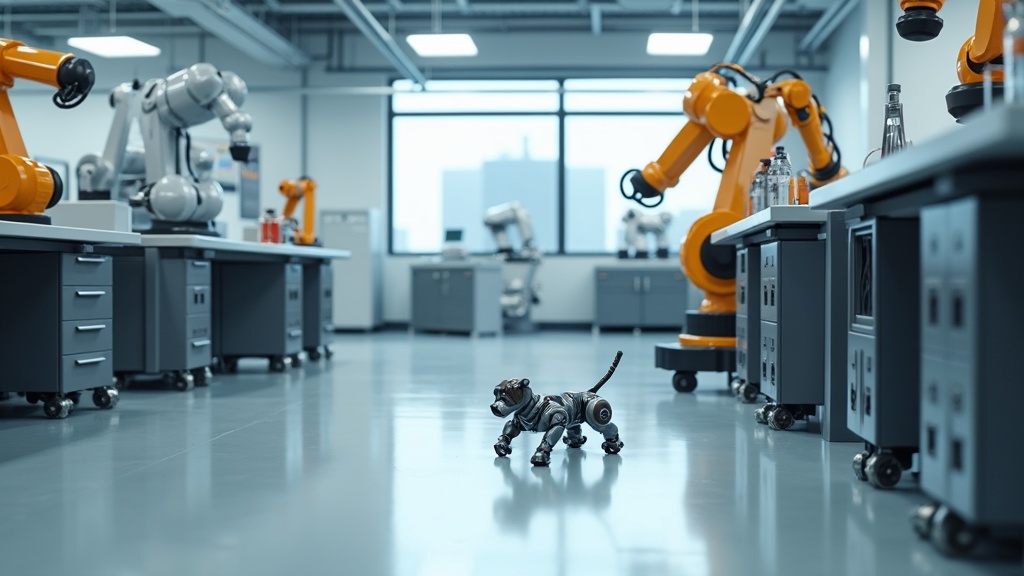
Robotics has grown at a crazy pace over the last few years, and the industry is way more than rows of robot arms on assembly lines. A recent market report suggests the global robotics industry could hit $250 billion by 2030, thanks to a major push in healthcare, logistics, home automation, and even retail. Robots are smarter, more interactive, and often powered by AI, which means they can do things we only dreamed about a decade ago.
The field now includes collaborative robots (often called “cobots”) that work right alongside humans, especially in jobs where flexibility and safety are key. From robots used in delicate surgeries to autonomous rovers mapping unfamiliar terrain, new tech is making robots accessible and useful in ways that reach far beyond industrial use.
Popular Robotics Applications and Where Robots Are Making an Impact
The newest robots are turning up just about everywhere, with some of the coolest developments happening in places you might not expect. Here’s a quick look at a few trending applications:
- Healthcare Robots: Surgical robots now assist with precision surgeries, reducing recovery times for patients. You’ll also find robots that cart supplies around hospitals, disinfect rooms, and even help with physical therapy.
- Home Assistance: Robotic vacuums and lawn mowers aren’t exactly new, but today’s versions use way smarter navigation, voice assistants, and better sensors. There are even robots that can help older adults with reminders, daily routines, or fall detection.
- Warehouse Automation: Major companies use fleets of robots to move and organize goods with perfect efficiency. Smaller businesses are catching on, too, with compact robots designed specifically for tight spaces and smaller stockrooms.
- Search and Rescue: Robots are making a difference in disaster response by navigating areas too dangerous for people, sending back video, and even delivering emergency supplies.
Getting Started With Robotics and Key Concepts You Should Know
Jumping into the world of robotics can feel overwhelming with all the new gadgets and fancy terminology. Here are some helpful basics that really help make sense of things:
- Sensors: These are what give robots their awareness of the world. Sensors let robots see, hear, touch, and even smell their surroundings (seriously!), making it possible for them to adjust to obstacles or changes on the fly.
- Actuators: These work like muscles in a robot, letting it move, lift, or interact with objects. They’re key to everything from robot arms to walking robot pets.
- Autonomy Levels: Some robots follow strict instructions, while others can make smart decisions on their own. Higher autonomy means less hands-on supervision and more self-guided action.
- AI Integration: AI is everywhere in robotics these days, powering everything from voice recognition in helpers to advanced image analysis in inspection robots. A robot with built-in AI isn’t just following orders; it’s reacting, predicting, and even learning.
How to Start Building or Using Robots Yourself
Whether you’re a student, hobbyist, or business owner, new robotics kits and platforms make it easier to dip your toes in. I always suggest starting simple and building up skills over time. Here’s a basic step-by-step I’ve found works well:
- Pick Your Platform: Kits like LEGO SPIKE Prime or Arduinobased robots are beginnerfriendly, and they teach core concepts like wiring, coding, and mechanics.
- Learn the Basics: Practice controlling motors, reading sensor data, and programming simple behaviors. Tons of free tutorials and online courses help you fill in gaps as you go.
- Join a Community: Whether it’s a local robotics club or an online forum like r/robotics on Reddit, getting feedback and ideas from others really helps when you get stuck.
- Upgrade Gradually: Don’t feel pressured to jump into advanced AI right away. Start with a sturdy little robot that can roll around, add sensors, and try challenges like obstacle navigation or line following.
- Think About Real World Uses: Consider projects like a plant watering bot, security patrol, or mailbox alert system. Building something useful keeps motivation high and shows how robotics fits into daily life.
What to Think About Before Investing in Robotics
Jumping in can be a blast, but robotics comes with a few common challenges and things I always keep in mind before spending my cash or time:
- Cost and Upgrades: Entry level kits are affordable, but fullfeatured robots can be pricey. Look for modular platforms where you can add features later instead of starting fresh each time.
- Power Supply: Battery life can limit how much time you spend tinkering or testing a robot. Swappable battery packs or quick charging options are really helpful.
- Programming Complexity: Some platforms use simple drag and drop coding, while others need fullon Python or C++. Picking the right difficulty is super important for not getting frustrated right away.
- Maintenance: Robots with lots of moving parts need regular attention. Motors might need lubrication, and sensors can get dirty. A little maintenance goes a long way to keep projects running smoothly.
Deal With Power Supply
Robots live and die by their batteries, a fact I’ve learned the hard way during late night builds. Planning for spares or portable power stations saves a lot of hassle, especially during competitions or longer sessions. If you’re building your own, consider robots that can return to a charging dock automatically.
Manage Programming Hurdles
The first time I switched from block coding to Python, it felt like a big leap. Many starter kits now include guides for multiple languages, so you can gradually build up your skills. Forums and support communities are lifesavers for debugging tricky code.
Maintenance Basics
Even the coolest robot will slow down if dust builds up on the sensors or gears get jammed. Building a habit of checking moving parts, cleaning sensors, and updating firmware helps avoid unexpected downtime.
Cool New Features in Modern Robots
Today’s robots are loaded with really useful features that weren’t around just a couple of years back. Here’s a look at a few tech upgrades that are making a difference:
- Vision Systems: Advanced cameras and LIDAR sensors are now standard in many robots, letting them map spaces, avoid stuff in real time, and even recognize items or people.
- Soft Robotics: New materials make it possible for robots to grip fragile objects or even handle squishy foods in factories. This tech mimics a gentle human touch, opening up a ton of new tasks for robots.
- Telepresence: Robots with builtin screens and cameras let people appear as avatars anywhere in the world, which works great for offices, schools, or healthcare.
- SelfLearning: Thanks to AI, some robots improve at their jobs just by doing them, so they get better over time with real world practice instead of new coding every time.
Common Questions About the Latest Robotics
A lot of people get curious about different aspects of robotics as the field keeps growing fast. Here are a few FAQs I hear pretty often:
Question: How long until robots are doing everyday chores at home?
Answer: Robotic vacuums and window cleaners already help out, but more advanced home robots, like ones that cook or fold laundry, are still in progress. Expect a steady rollout of new features as prices drop and tech improves.
Question: Is a background in engineering required to get started with robotics?
Answer: Not really! Plenty of hobby kits and coding tutorials exist for all ages. Curiosity and a bit of patience carry you a long way when learning the ropes.
Question: What’s the biggest obstacle facing the robotics industry right now?
Answer: Getting robots to work smoothly outside controlled factory settings is tough. Environments like busy streets or messy homes require robots to handle unpredictable challenges, so reliability and safety are big focuses for developers.
Looking Ahead at Robotics
Every year brings new surprises and rapid changes in robotics. Whether it’s healthcare, education, or fun little gadgets for home, robots keep pushing boundaries on what tech can do for us. Staying up to date helps you spot trends that might matter in your own life or business, and getting hands-on is one of the best ways to understand just how versatile and exciting robotics has become.