3D Printing In Modern Invention Creation
3D printing has completely shaken up how inventors bring their ideas to life. It’s become this super useful tool for anyone who wants to turn wild sketches into real-life stuff, fast, on the cheap, and without needing a giant factory. For both new makers and seasoned pros, figuring out how 3D printing fits into modern invention creation makes the whole adventure way more exciting and a lot less intimidating. In this article, I’ll walk through the practical ways 3D printing is powering up how people invent today and why it matters no matter your skill level.
What Exactly Is 3D Printing and How Does It Work?
3D printing, also called additive manufacturing, is all about making objects by adding material layer by layer. Unlike traditional manufacturing, which often involves carving, milling, or molding, 3D printing takes your digital design and turns it directly into a physical object. This makes things a whole lot easier, especially when you’re creating prototypes or testing an invention that might go through multiple versions before it feels just right.
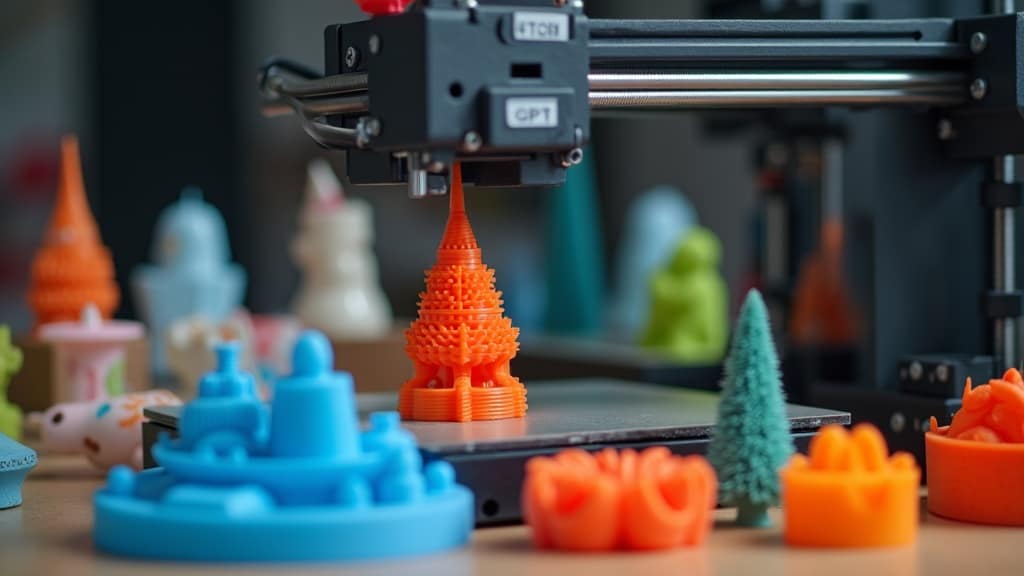
If you’ve never seen one in action, a 3D printer looks a lot like a fussier version of a regular printer. Instead of ink on paper, it squeezes out melted plastic, resin, or even metal to build up the shape in real time. You start with a computer model (usually in a format like STL or OBJ), load it into special software, and let the printer work its magic. The layers go on top of each other until you see your part sitting on the print bed, ready for you to test, tweak, or show off to your friends.
How 3D Printing Helps New Inventions Get Off the Ground
Bringing a new idea to life used to mean spending months, sometimes years, building models and waiting for parts to come from outside shops. 3D printing mixes that up. Here’s why I think it’s such a game-changer for inventors:
- Rapid Prototyping: You can print your design, check it in your hands, make changes, and reprint, all within a few days or even hours.
- Cost Savings: No need to pay for expensive molds or dies just to test one version of your product. A spool of plastic and some patience can take you a long way.
- Testing and Iteration: If something doesn’t work, it’s easy to go back to your software, adjust your design, and print again. This loop helps you work out problems super quickly.
- Customization: Need a version for a left-handed user or want to tweak the look? It’s just a quick edit away in the digital model. Personalized parts are easier than ever.
This speed and flexibility remove old barriers and let pretty much anyone with a great idea jump into the invention process without waiting on a big company or digging deep into your wallet. It opens up opportunities for creative thinkers to put their plans into action in ways that simply weren’t possible before.
Getting Started with 3D Printing for Inventors
If you’re itching to turn your ideas into real objects, understanding a few essentials about 3D printing can save a lot of headaches. Here are a couple of big points to keep in mind:
- Choose the Right Printer: There are FDM printers (that use plastic filaments), resin printers (that use liquid resins and UV light), and even metal printers. Most new inventors start with FDM for its simplicity and lower cost.
- Learn the Basics of 3D Modeling: Getting familiar with software like Tinkercad, Fusion 360, or Blender will help you turn your sketches into printable files. Many of these tools have tutorials made for beginners.
- Experiment with Materials: While PLA plastic is the go-to for most hobby projects, there are tons of other options like ABS, PETG, flexible TPU, or even woodfilled filaments, each bringing different strengths for different inventions.
- Post-Processing: Sometimes your printed part needs extra finishing steps. Sanding, painting, or even gluing can take your prototype from rough draft to showroom model.
Don’t be afraid to start small. Even simple projects, like a phone stand or key holder, help you get a feel for how changes in the digital file affect your final product. With each print, you’ll gain more confidence and skill in both modeling and troubleshooting.
Challenges and How to Get Around Them in 3D Printing
3D printing opens a lot of creative doors, but it’s not totally smooth sailing. I’ve run into plenty of these hiccups while testing out my own ideas. Here are a few things to watch for:
- Learning Curve: The first few prints might go wrong with warping, layer slips, or random blobs. It’s part of the process. Watching YouTube tutorials and joining maker forums can help answer those “why did THIS happen?” moments.
- Printer Reliability: Cheaper machines sometimes break down or need adjustments. Be ready to tinker, tighten belts, or swap out nozzles if needed. Keeping spare parts on hand is pretty handy.
- Material Limitations: Not all materials will be suitable for every function. Early prototypes might be fragile or not as heatresistant as your final product needs to be. For higherend requirements, outsourcing prints to professional bureaus can be worth the investment.
- Size Restrictions: Most home printers have a small build area, so big prototypes might need to be printed in parts and assembled afterward.
Learning From Mistakes
One time, I was working on a small gadget clip and the first several prints snapped almost instantly. It turned out that my model needed a bit more thickness at the stress points. After tweaking the model digitally, my printer churned out a tougher version. Lesson learned, and done in under a weekend.
Getting Community Help
I’ve found a lot of support on maker websites and opensource design communities like Thingiverse or Reddit’s 3D printing group. Sharing problems often leads to simple fixes or improvement tips from folks who’ve been there already. Don’t hesitate to post pictures or ask about specific printer issues. The feedback can save you hours.
Real-World Examples: 3D Printing’s Role in Success Stories
3D printing is behind some of the coolest inventions and startups you’ll see today. Here are a couple of scenarios that really show how powerful this tech can be:
- Medical Devices: Customized prosthetic limbs, dental implants, and surgical tools have been prototyped and improved using 3D printers. These items can be tailored for each patient, which is a game changer in healthcare and is helping patients get back to normal life quicker.
- Product Design Studios: Small teams use 3D printers to work out initial concepts, do market testing with realistic models, and show off products to investors without huge upfront costs.
- Automotive and Aerospace: Both industries use 3D printed prototypes to check fit and function before building expensive final parts. Some even print lowvolume, enduse pieces right onto vehicles or craft.
- Inventor Side Projects: Whether it’s a kitchen gadget, a phone dock, or a next-level cool puzzle toy, solo makers can quickly test and refine their inventions at home, skipping all the traditional backandforth with machine shops.
The reach of 3D printing goes far beyond these examples. Inventors continue to stumble upon new applications in areas like fashion, sports, education, and robotics. As the technology improves, expect to see even more impressive stories coming out of hobbyist garages and pro labs alike.
What to Consider When Jumping Into 3D Printing for Your Inventions
Before dropping cash on a printer, it’s worth thinking through a few basics that help match the tech to your invention goals.
- Printer Type and Budget: Entry level FDM printers run a few hundred bucks and cover most home invention needs. Higherend machines are faster and more precise for advanced projects but require a bigger investment.
- Maintenance: Just like any workshop tool, 3D printers need occasional cleaning, calibration, and care. It’s not a “set and forget” kind of deal.
- Material Storage: Some 3D printing plastics like nylon or certain resins soak up moisture and need airtight storage. Kits and cases are available to help with this.
- Software Updates: Firmware and slicer software updates often bring new features or fix things that bug you. Staying up to date helps make your printer more reliable and easier to use.
Environmental Stuff
Look into ecofriendly filaments like recycled PLA or biodegradable options if you want to keep your invention process greener. Also, recycling your misprints or leftover bits is a good way to reduce waste. Some local maker spaces even host filament recycling programs, so check those out if you want to do your part for the planet.
Tips for Leveling Up Your 3D Printed Inventions
Once you get comfortable printing basic shapes and prototypes, there are ways to push things further:
Try Advanced Modeling Software: Programs like SolidWorks or Fusion 360 give you more control and let you design more complex inventions. These tools take more time to learn but really expand what’s possible and are worth checking out for ambitious creators.
Mix Materials: Experiment with combining metal bolts, magnets, or electronics into your design. Hybrid inventions often have more function and wowfactor.
Finish Like a Pro: Explore options like vapor smoothing, spray paints, or epoxy coatings. These can make your prototypes look, and sometimes perform, way more like productiongrade parts.
Test in Real Life: Don’t just look at your prototype. Put it to work. Use it, stress it, and tweak your design with every run. That’s how the best inventions improve fast. Gather honest feedback from friends, family, or potential users, and let those insights guide your next round of changes.
Document the Process: Take photos and keep notes on what works and what flops. Sharing this journey online can help others and possibly draw in collaborators or fans for your invention down the road. You’ll also have a record of your progress—which can be satisfying to look back on or useful for pitching your idea.
Frequently Asked Questions About 3D Printing and Inventing
It’s normal to have questions starting out. Here are a few I hear the most:
Question: Do I need to be good at 3D modeling to use a 3D printer?
Answer: Knowing some basics definitely helps, but there are tons of free premade models online if you’re just experimenting. Learning to tweak those or build your own gets easier the more you practice.
Question: How strong are 3D printed prototypes?
Answer: It depends on the material and printer settings. For most invention testing, prototypes are sturdy enough for form and fit. Some highend filaments and printers can even make working enduse parts.
Question: Can I sell something that I 3D print?
Answer: If it’s your own original design, absolutely. Always doublecheck trademarks or patents if you’re riffing on existing products, though. Commercial use of copyrighted files is a no-go.
Wrapping Up
3D printing keeps lowering the barrier for inventors dreaming up the next eye-catching gadget, medical device, or even just a better way to organize your desk. Whether you’re working from a tiny workshop or a spare room, this tech makes inventing fun and way more accessible than ever before. Time to roll: experiment boldly, and enjoy seeing your creations go from idea to reality, layer by layer. The adventure starts now—don’t be afraid to let your imagination run wild and put 3D printing to work for your next invention.