Best Invention Guides
Creating something entirely new takes more than a brilliant idea. It usually means steering through tricky steps, like planning, prototyping, testing, and launching. Even the most creative folks can get stuck, either because the process feels intimidating or because they’re not sure what to do next.
If you’ve ever dreamed of inventing something or turning a cool concept into reality, you’re definitely not alone. Plenty of people have great ideas, but figuring out how to share them with the world is often the toughest part. That’s where an invention guide comes in handy; it breaks everything down into steps and gives you practical advice so you can move forward with confidence rather than guesswork.
In this article, I’m sharing some of the best invention guides available, plus my own tips on using them to develop your invention from start to finish. Whether you’re looking to create a breakthrough gadget, a new app, or any creative solution, these guides cover every part of the adventure and help you avoid unnecessary headaches along the way.
The Purpose of Invention Guides
An invention guide is basically your companion through the process of bringing ideas to life. These guides are designed to help inventors avoid common pitfalls, save time and money, and get a better idea of what’s involved before jumping in head-first.
- Step-by-step frameworks: Most quality guides walk you through each phase, from brainstorming to filing patents, so you’re not left wondering what’s next.
- Resources and tools: They often include templates, checklists, and resource lists to keep things organized along the way.
- Real-world advice: Some guides share interviews or case studies from successful inventors, offering a peek into what actually works versus what just sounds good in theory.
I’ve found that an invention guide isn’t just for people new to inventing. It’s helpful even if you’ve already tinkered with prototypes or explored patent research. There’s always something new to pick up or a shortcut that can save you trouble later on.
2. Get Your Ideas Organized with Mind Mapping and Idea Validation
Before building anything, I like to get all my ideas out of my head and into a form I can see and organize. Many invention guides suggest starting with mind mapping tools or brainstorming worksheets to expand on your original concept and spot weak points early.
- Start by noting your core invention idea in the center, then branch out with related ideas, possible uses, challenges, and first steps needed.
- Once you have your ideas lined up, validation comes next. This usually means researching the market and seeing if similar inventions exist, as well as figuring out if there’s genuine demand. I often use online surveys or chat with people in my target audience for feedback before spending money on prototypes.
For example, many inventors create quick sketches or digital mind maps that help visualize potential features and practical uses. This can spark more ideas and ensure the initial concept is strong enough to build on. Don’t skip this phase. It lays a solid foundation for everything that comes next!
3. Prototyping is Turning Ideas Into Reality
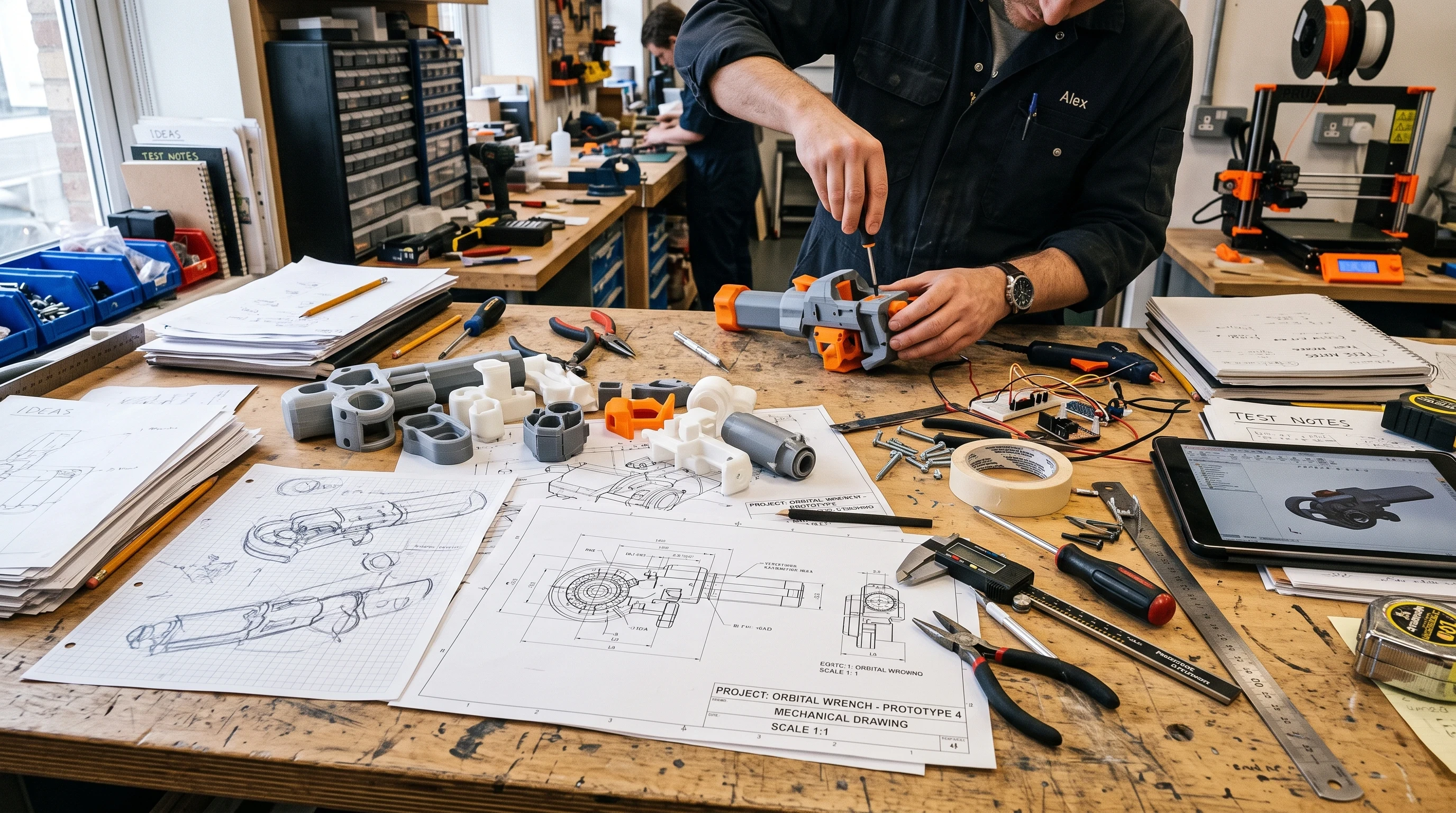
Making a prototype is where things get really exciting (and sometimes a little messy). The best invention guides walk you through materials, methods, and costs for different types of prototypes. There’s often a big focus on:
- DIY options: Using household items, 3D printing, or online services that keep things affordable at the early stage.
- Iterative development: Building rough versions first, then improving them based on tests or user feedback. This matters because it helps you spot design flaws before you pour money into the final version.
- Documentation: Keeping notes and photos of each version helps when presenting your invention to investors or patent offices. Plus, it makes the process smoother if you need to revisit any stage along the way.
Some guides even give tips on basic engineering practices, such as making sure your designs are safe and durable. Building multiple versions and gathering feedback will improve your final product while also fueling your confidence as an inventor.
4. Navigate the Patent and Intellectual Property Maze
Legal protection can feel overwhelming, but invention guides with clear patent advice help clear things up. They usually center on:
- Patents (utility, design, provisional) and how to tell which one fits your invention best.
- Tips for doing a basic patent search using free tools or government databases. This is crucial to avoid accidental infringement.
- What documents you should prepare before reaching out to a patent attorney or filing on your own.
For the basics, always start with free guides from the US Patent and Trademark Office or similar government sites. These official sources use plain language, provide step-by-step instructions, and have links to the right forms and patent search tools.
Even if legal paperwork isn’t your strong suit, these resources can make it easier to get started and save you headaches (and money) down the road.
Patent and Intellectual Property on Amazon
5. Fund Your Invention
Turning your idea into a marketready product can get expensive, so invention guides with funding tips really help. The best ones include advice on:
- Crowdfunding platforms like Kickstarter or Indiegogo. These sites are good not only for raising money but for building buzz and connecting with early fans of your invention.
- Tips on pitching ideas to angel investors, local startup accelerators, or even friends and family if you want to keep your business close-knit at first.
- Information on grants or invention contests for specific industries, which can provide valuable support for earlystage inventors.
Don’t forget to check local business organizations for small business loans or pitch competitions. Invention guides often feature checklists and templates for writing funding applications or creating persuasive business plans.
6. Get Your Invention to Market
Even the coolest inventions won’t go anywhere if people never see or hear about them. Most invention guides lay out the launch process clearly so you know what to expect. Key areas often include:
- Putting together a presentation or sales pitch deck. Visuals, demo videos, and a personal story go a long way in convincing buyers and investors.
- Finding manufacturers or suppliers if you’re building products at scale. Look for guides with advice on negotiating pricing, protecting your intellectual property, and checking the reputation of factories.
- The basics of digital marketing, from putting together a simple website to reaching out to the press or launching on social media. Some guides even offer tool lists for lowcost marketing or suggestions for hiring freelancers to help with graphics, copywriting, or media outreach.
Expanding your reach through press releases or local media coverage can jumpstart your launch. Many inventors set up a website with a blog or sign up for email newsletters to keep customers in the loop. Even small steps, like building a landing page or creating a short explainer video, can create excitement for your new invention.
Market your invention on Amazon
7. Reliable Invention Guides Worth Checking Out
Here are a few invention guides I suggest for beginners and DIY inventors. Each has its own strengths, so try a couple to find what fits you best:
- InventRight’s 10Step Program: A practical online guide with videos and coaching options for inventors who want realworld insights from people who’ve landed licensing deals for their products.
- US Patent and Trademark Office (USPTO) Official Resources: Lots of free worksheets, howto videos, and explanations of the legal side in a way that makes sense. It’s a mustvisit for anyone wanting to get patents right the first time.
- Make: Magazine and Online Guides: These focus on prototyping, DIY building tips, and practical advice for testing and improving inventions with modern maker tools.
- Books like “One Simple Idea” by Stephen Key: Geared toward inventors with little business experience; these stepby-step books guide you from the lightbulb moment to your first licensing deal or sale.
In addition, online learning platforms such as Coursera or Udemy sometimes offer invention and innovation courses taught by experienced inventors. These can supplement the guides above and expand your mindset about what’s possible.
8. Common Roadblocks and How to Get Unstuck
No matter which guide you go with, expect to hit a few snags along the way. Here are some tips from my experience to help you get back on track when you’re feeling stuck:
- If you’re struggling with prototype materials, join online forums or invention clubs for new ideas and advice. You’re likely to stumble upon tips you hadn’t considered.
- Legal paperwork give you a headache? Many local business organizations offer free consultation calls with intellectual property lawyers who can answer your questions and explain your next steps in simple terms.
- If your invention idea doesn’t get traction, be open to honest feedback and consider tweaking your design or marketing approach. Sometimes a tiny adjustment is all you need for your audience to click with your idea.
Final Thoughts
Bringing an invention to life isn’t just about technical skill. It’s about having the right resources, a stepby-step plan, and a bit of patience. The right invention guide can make the whole process more manageable and a lot less overwhelming so you can focus on the exciting parts and avoid unnecessary setbacks.

