
5 Challenges Inventors Face In Bringing Ideas To Market
Starting with a blank canvas can be intimidating, but it’s where every great invention begins. Creativity isn’t confined to a particular formula; it’s often a personal journey fueled by observing the world with curiosity. Innovators should always keep their eyes and minds open, as inspiration can strike from the most unexpected places. Sometimes, it’s about finding a solution to a problem you’ve faced personally or seen others encounter.
Recognizing market needs is vital to transforming an idea into a viable product. It’s essential to research and understand the gaps in the current market landscape. Talk to people, get insights from existing customers, and identify those pain points that no one else is addressing. This way, you ensure your invention isn’t just unique, but also meaningful and necessary.
The uniqueness of an idea is what sets it apart, and identifying that unique value proposition is what will eventually sell your invention. Consider what makes your idea different or why someone would choose it over existing solutions. Whether it’s quicker, cheaper, more user-friendly, or sustainable, ensure that this value is clear from the onset.
Above all, passion plays a crucial role in fueling the creative process. When you’re genuinely interested in what you’re developing, that enthusiasm becomes contagious. Your passion is a powerful driver that can keep you going through the inevitable ups and downs of bringing an idea to life. It’s also what will engage others in your vision, from potential partners to future customers.
Prototype Development: From Concept to Reality
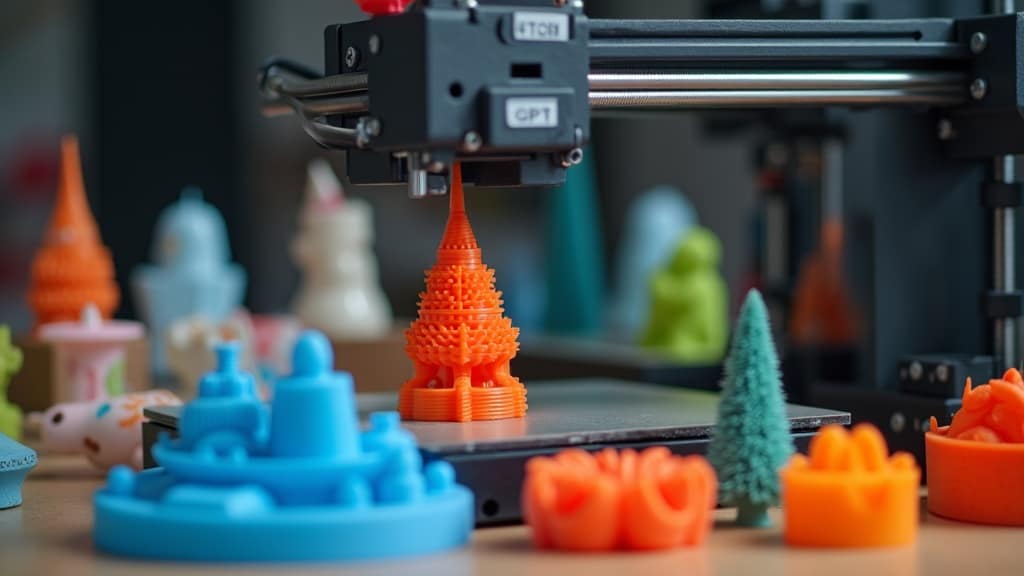
Bringing an idea to life starts with developing a prototype, turning concepts into something tangible. Choosing the right materials and tools is crucial since they affect the prototype’s feasibility and cost. Explore different materials to find what suits your invention best, balancing functionality with budgetary constraints.
As you develop your prototype, expect to iterate through trial and error. Not everything will work perfectly on the first attempt, and that’s okay. Every test brings invaluable insights, allowing you to fine-tune and improve your design. Document changes meticulously to track progress and avoid repeating past mistakes.
Quality is key, but maintaining cost efficiency is equally important. Find a balance between high-quality components and cost-effective production. Sometimes, a slightly pricier option might save you in the long run if it reduces wear and tear or maintenance issues.
Collaboration with engineers and designers can provide the technical expertise you might lack. These professionals can help streamline the process, suggesting improvements you might not have considered. Building a solid team can turn your prototype from good to groundbreaking by integrating diverse skills and perspectives.
Patent and Intellectual Property (IP) Challenges
Navigating the world of patents and intellectual property can be a daunting task, but it’s crucial to protecting your invention. Understanding the patent process is your first step. It involves several phases, from conducting thorough searches to ensure originality to filling out complex applications. Familiarizing yourself with these steps early on can save you time and potential legal headaches down the road.
As a small entity, protecting intellectual property might feel overwhelming, especially when facing large corporations with extensive legal teams. However, there are resources available, such as pro bono legal services, that can offer guidance tailored to your needs. Investing in a good IP lawyer could be invaluable, helping to navigate the nuances and guard your creation effectively.
Patent trolls are another challenge inventors might face. These entities make a living by acquiring patents purely to seek damages from alleged infringers, often without ever producing a product themselves. Being aware of such tactics and maintaining thorough documentation throughout your project can help defend against these claims.
International patent laws add another layer of complexity. If you plan on taking your invention global, it’s essential to understand how patents work in different countries. Each country has its own set of rules and regulations, and what works in one place may not hold in another. Partnering with an expert with international experience can help streamline this process and avoid costly mistakes.
Funding Obstacles = Financing the Dream
Getting the financial backing needed to move forward can be a major hurdle for inventors. It’s essential to explore different funding options to find what fits your venture best. Crowdfunding has become a popular route, allowing inventors to present their ideas directly to potential customers and raise money through small contributions. It can also help gauge public interest.
Venture capital can be another avenue, but it’s often accompanied by high expectations and pressure to deliver significant returns. Preparing a compelling business plan and knowing your numbers inside out can make a big difference in convincing investors to take the leap with you.
Unexpected expenses are almost a guarantee in any new venture. Setting aside a contingency budget for those surprises ensures you won’t hit a dead-end due to unforeseen costs. Careful planning and budgeting for the essential elements, along with a safety net, can keep your project on track.
Working with limited resources requires strategic resource management. Prioritize critical areas and be prepared to make tough decisions about where to cut back if needed. Consider options like bartering services or working with part-time freelancers to stretch your budget further while maintaining progress.
Marketing the Invention = Reaching Your Audience
Marketing an invention effectively can make or break its success in the market. Developing a compelling brand story is the first step. A strong narrative that communicates the journey and purpose behind your product can resonate deeply with consumers. Share the challenges you’ve overcome and the passion that fuels your project to create a genuine connection.
Choosing the right marketing channels is crucial to reaching the target audience. Each platform has its advantages – traditional media, social networks, and online platforms all serve different purposes. Investigating where your potential customers spend their time will help you focus efforts effectively.
Building an online and offline presence ensures broader reach. Creating engaging content, whether through blogs, videos, or social media posts, can drive interest and draw people to your invention. Offline strategies like attending trade shows or community events can also provide valuable face-to-face interaction.
Understanding the demographics of your audience is essential. Knowing their preferences, buying habits, and pain points allows you to tailor your messaging accordingly. This targeted approach can improve engagement rates and ensure your invention meets their specific needs.
Overcoming Production and Distribution Hurdles
Scaling production is often the next step after a successful marketing campaign, but it comes with its own set of challenges. It’s important to increase production sustainably, avoiding pitfalls like overextending your resources or compromising on quality for the sake of meeting demand. Planning carefully and scaling gradually ensures that growth is manageable.
Quality control can’t be overlooked when expanding production. Implementing strict quality measures helps maintain product integrity and consumer trust. Regular checks and balances eliminate defects and ensure that each item meets the mark you’ve set.
Establishing reliable supply chains is another critical factor. A dependable supply network ensures timely delivery of materials and components, reducing production delays and enhancing efficiency. Choosing suppliers with a proven track record can mitigate risks and keep things running smoothly.
Navigating regulatory and compliance requirements is essential, especially when entering new markets. These laws vary greatly depending on the region, impacting everything from packaging to advertising. Getting familiar with these regulations early on, perhaps with the help of a professional with experience in your target markets, prevents potential legal challenges and ensures smooth market entry.
Shop tips
Inventors on Amazon
Launching inventions on Amazon
Fund invention Idea on Amazon
Protect your invention on Amazon