Top Inventions That Are Revolutionizing Education Today
Learning has taken some pretty wild leaps in the past few years, and technology has played a huge part in turning traditional classrooms on their heads. There’s a growing number of inventions that are making education more engaging, accessible, and customized for every student. Instead of the usual one-size-fits-all approach, these tools are helping learners and teachers have richer, more interactive experiences. If you’re curious about where education’s headed, I think you’ll find these inventions pretty exciting to follow.
Game Changers in EdTech – The Inventions Leading the Way
The world of educational technology, or EdTech, has exploded recently, with new inventions popping up that cater to all kinds of learning styles and needs. According to analysts, the global EdTech market could top $400 billion by 2025. That just shows how quickly schools, colleges, and even families are adopting everything from smart whiteboards to AI powered study helpers.
What’s really interesting is how these inventions are making learning less about memorizing facts and more about actually understanding and applying knowledge. Tools that boost collaboration, creativity, and critical thinking are getting all the attention now, not just digitized versions of old textbooks. That’s a super important switch up, especially since future jobs will demand more than just rote learning.
The roots of today’s EdTech come from a mix of old school innovation; print textbooks, radio, and filmstrips, and modern computing. From computers arriving in schools in the 1980s to virtual reality and AI today, each new tool brings fresh possibilities for students and educators alike. Every decade brought something unique, showing that education is always ready to mix in some variety and work with what tech has to offer.
Get Started with Today’s Revolutionary Ed Inventions
If you’re starting to explore how new inventions might fit into your school or learning routine, it helps to know the basics. Some inventions require a big change in classroom routine, while others slot right in, making them great for both tech enthusiasts and those just dipping their toes in.
Here are a few key terms and concepts that come up a lot with these new inventions:
- Adaptive Learning Platforms: These use algorithms to adjust questions and lessons to fit each student’s strengths and weaknesses in real time.
- Interactive Whiteboards: Touchscreen boards that let teachers and students draw, share, and interact with digital resources on the fly.
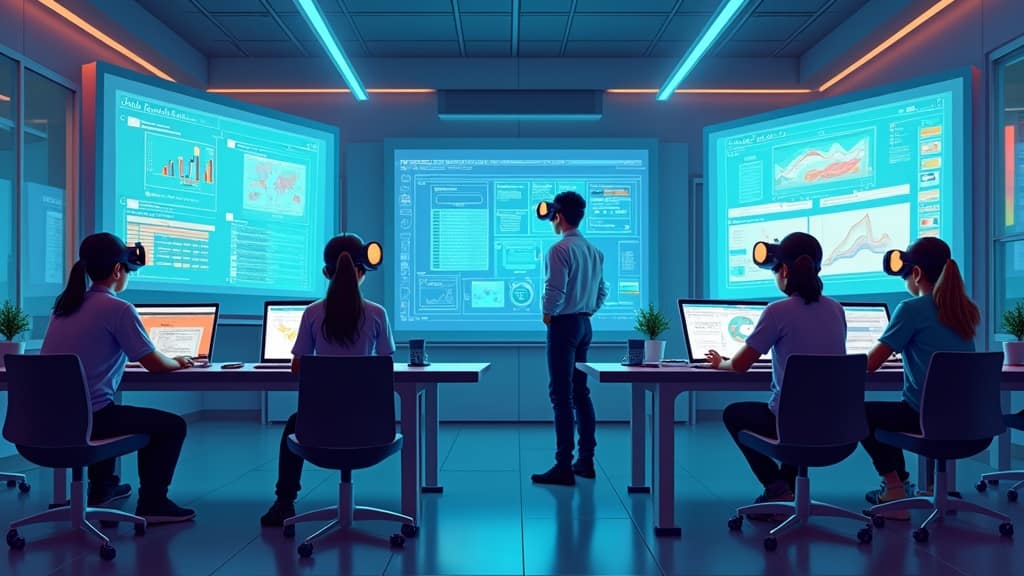
- Virtual Reality (VR) in Education: Immersive simulations transport students to ancient cities, the depths of the ocean, or hands-on science labs, all from their classroom or home.
Innovative education inventions sometimes seem overwhelming, but most major tools are designed to make it easy for schools to roll them out in stages. Whether you teach in a single classroom or manage a campus, trying out these inventions in one class or club can open the door to wider adoption down the road.
Quick Guide: Make the Most of Innovative EdTech
Adopting revolutionary inventions in education brings some awesome opportunities and, of course, a few new challenges. These steps can help anyone, from teachers to parents, make smart choices about trying the latest tools and platforms:
- Start with Clear Goals: Choose inventions based on what you want students to achieve, not just because they’re new.
- Explore Userfriendly Tools: Begin with inventions that are easy to understand and don’t need much setup.
- Pilot and Gather Feedback: Try new inventions with a small class or group first. Check in with students about how it helps, or doesn’t, their learning.
- Support Professional Development: Make sure teachers have time and guidance to get comfortable with new inventions.
- Check Compatibility: Some tools might work great as “plug and play,” while others may need upgrades or extra integrations.
Factoring in these steps smooths the way for rolling out new inventions and makes it way more rewarding for everyone involved. Students, teachers, and even parents feel more invested when there’s a clear plan and tools fit real needs.
Things to Consider Before Bringing New Inventions into Education
It’s easy to get swept up in the excitement, but some practical questions can help you make solid choices about educational inventions. Here are a few things I always think about:
- Access and Equity: Not all students have the same access to gadgets, fast internet, or support at home. Looking for tools that work offline or on basic devices helps level the playing field.
- Data Privacy: With so many tools collecting student info, it’s important to understand how data is stored, who can view it, and how it’s secured.
- Ongoing Costs: Some inventions have upfront purchase prices, but others require monthly subscriptions or ongoing maintenance. It’s good to weigh total costs, not just the eye-catching demo.
- Teacher Buy In: Inventions are only effective if teachers feel confident and see the value. Extra time and clear benefits help give a boost to adoption rates.
Access and Equity
If an invention only runs on high end tablets or depends on a super fast connection, some students could fall behind. Lots of the best new tools are made with offline modes or can run on older devices. For instance, adaptive reading apps with downloadable content help keep everyone included, even if internet access is spotty or expensive.
Data Privacy
Student privacy is getting more attention than ever. With digital platforms handling quizzes, messaging, and grades, making sure these services follow privacy laws and use proper encryption can give everyone more peace of mind. It helps to check if an invention is certified by groups like Common Sense Media or has clear, transparent privacy policies.
Ongoing Costs
Even though some tools are free at first, upgrades, extra features, or support packages can add up. Schools often team up with district technology specialists to plan budgets before choosing which inventions make sense longterm. Open source or free tools often offer solid value for anyone watching their spending.
Teacher Buy In
Teachers are at the heart of every classroom revolution, so making sure they have training, and aren’t just handed a new gadget with no support, means everyone benefits from the new tools. Some top inventions come with built in tutorial libraries, online support forums, or even direct chat with technical support. That’s super handy for busy teachers.
Smart planning up front can go a long way in helping these new inventions deliver on their promise of a better learning experience for all students. It can also reduce headaches for administrators and make families feel more included in tech decisions.
Advanced Tips? Get Even More from EdTech Inventions
Once students and teachers feel comfortable with the basics, there are some cool ways to make the most of EdTech. Here are a few tips I think are worth considering:
Use Analytics for Personalization: With inventions like adaptive learning, teachers can dig into data dashboards to see exactly where students are struggling or soaring. Customizing assignments or one on one support gets a lot easier, helping students grow on their own timeline.
Blend Physical and Digital Learning: Some inventions, like interactive whiteboards or AR apps, work best with hands on projects, letting students connect theory to practice in real time. For example, using AR overlays when dissecting a real frog or mixing virtual math games with real classroom whiteboards adds depth to learning.
Connect Globally: New inventions offer video conferencing, collaborative online projects, and global classrooms, so students gain perspectives they might never have encountered otherwise. Language classes can pair with students in other countries or host authors live from around the world.
These strategies can maximize the tech’s impact and help students develop real skills, creativity, teamwork, and problem solving, for whatever comes next. Plus, students can stumble upon interests and talents they might never have uncovered in a traditional classroom alone.
3 Top Inventions Making a Real Impact in Classrooms
There are lots of inventions that have gone from buzzwords to real education game changers. Some examples I keep seeing in schools and study programs worldwide include:
- Virtual Reality (VR) Headsets: Gear like Oculus Quest brings interactive 3D science labs, historic simulations, and virtual field trips into classrooms, even on tight budgets.
- AI Powered Tutoring: Apps like Duolingo or Microsoft’s Reading Progress adapt on the fly to what students do well and what needs more work, making learning way more personal.
- Learning Management Systems (LMS): Tools like Google Classroom, Canvas, and Moodle let teachers organize resources, assignments, grades, and parent communication all in one place.
- 3D Printing: Printers turn digital design projects into real objects, opening the door to everything from custom science experiment tools to art sculptures right in the classroom.
- Augmented Reality (AR) Apps: Apps like Merge Cube overlay digital content onto the real world, like a cell structure floating over a desk or a solar system mapped out on the floor for kids to explore.
If you’re a student, parent, or teacher interested in bringing these inventions into your learning adventure, it’s worth browsing EdTech blogs or talking with your school’s tech coordinator to find the perfect fit. Many of these tools have active online communities where people share lesson plans and troubleshooting tips, making it easier to get started and get creative.
Frequently Asked Questions
Here are some questions I hear a lot from people who want to get more out of today’s revolutionary educational inventions:
Question: How do I choose which EdTech inventions are best for my students or school?
Answer: Think about your goals and challenges first, then research which inventions truly address those needs instead of getting distracted by the latest fad. Checking reviews from other teachers or EdTech websites really helps get a sense of what works and what doesn’t.
Question: Are these inventions just for techsavvy schools, or can anyone use them?
Answer: While some tools need special devices, many run right in standard web browsers or have offline options. There are great options for every budget and tech skill level. Lots of schools have success stories about starting with just a single device or a small pilot group.
Question: How does technology like VR and AR really make a difference in learning?
Answer: VR and AR unlock super engaging experiences, like walking on the moon or exploring human anatomy, that are hard or impossible to do in traditional classrooms. They help students visualize, experiment, and remember more, all while sparking natural curiosity.
Why These Inventions Matter for Education’s Future
The right inventions aren’t just nextlevel cool add ons. They’re giving students new ways to think critically, get involved deeply, and learn skills that actually matter in life beyond school. Whether you’re working on reading, coding, designing, or scientific experiments, there are tools and platforms that can make learning more enjoyable and impactful.
Exploring these inventions can feel like an adventure, and it’s one that opens all kinds of new opportunities, for students of every background and teachers of every subject. Education’s future is brighter, way more interactive, and a lot more fun thanks to these ideas that help everyone grow and keep up with the fast changing world of learning. Wrapping up, the tech tools highlighted here are set to transform classrooms and empower the next generation of learners for years to come.
Shop Tip
Tech Education on Amazon
EdTech on Amazon